The Doctor Adam Philosophy: Sustainable Weight Loss Habits That Actually Last
Share
It is a common experience to feel a sense of frustration or deep-seated fatigue when thinking about weight management. Many people have spent years on a “metaphorical rollercoaster”, feeling discouraged by past attempts that promised much but delivered little more than exhaustion. If you have ever felt like you were failing because a restrictive plan didn’t stick, please know that you are not alone. And more importantly, you are not the problem. Sustainable weight loss works differently: it is built on habits, medical support and progress you can actually keep.
The truth is that effective change does not require you to be extreme, fast, or miserable. We often see “transformations” that happen in weeks. But these high-intensity approaches are rarely designed to last. Real, meaningful progress is found in sustainable weight loss tips that focus on changes you can actually live with for the long term. When we shift our perspective from a “quick fix” to a lifelong relationship with our bodies, the pressure begins to lift. It is important to set gentle expectations from the start. Slow progress is not only “okay”, it is real, solid progress that is far more likely to stay with you.
Weight Loss Beyond the Scale
For many, the morning ritual of stepping on the scale can determine the mood for the entire day. However, that single number isn’t the entire story your body is telling. Your weight is not a simple measurement of body fat. It is a complex sum of bone, muscle, organs, and, most variably, water.
Daily variations and fluctuations are perfectly normal and are often misleading. If you see the number jump a pound or two overnight, it is physically impossible for that to be permanent fat gain. Instead, it is usually a reflection of your body’s internal chemistry. For example, if you had a slightly saltier dinner, your body holds onto extra water to maintain balance. High stress levels increase cortisol (the stress hormone), which can lead to temporary water retention. Finally, hormonal shifts, particularly during menstrual cycles, can cause weight to shift significantly without any change in actual body composition.
Other Signs of Progress That Matter
If we only look at the scale, we miss the “non-scale wins” that often signal true health improvements long before the numbers on the scale change. These markers are frequently more impactful on your daily quality of life than a specific digit.
- Improved energy levels: You may find that the mid-afternoon “slump” isn't as heavy as it used to be, or you have more gas in the tank to play with your kids or finish chores after work.
- Better sleep: Weight stability and improved nutrition often lead to deeper, more restorative rest, which in turn helps your body repair itself.
- Clothing fit: Muscle is denser than fat. Even if the scale stays still, you may notice your jeans feel looser or your shirts drape differently as your body becomes firmer and more toned.
- Mood and comfort: Many patients report more stable moods, a greater sense of calm, and a noticeable reduction in joint pain as inflammation levels decrease.
Common Weight Loss Myths That Can Hold You Back
“You Have to Be Perfect to Succeed”
The “all-or-nothing” mindset is perhaps the greatest enemy of consistency. We often think that if we eat one “unplanned” cookie, the whole day is already ruined. So, we might as well eat the entire box. This perfectionism quickly leads to mental burnout and a sense of defeat.
In reality, health is built on the sum of your actions. It is not based on a single meal. Small imperfect steps, like choosing a side salad even if you had a burger, still add up over time to create a significant impact.
“Faster Is Better”
We are bombarded with ads that say “lose 10 pounds in 10 days” schemes. While rapid weight loss is possible through extreme restriction and programs, it is rarely permanent. When the body loses weight too quickly, it often triggers the “starvation response,” which will lead to slowing down of your metabolism and increasing your hunger hormones.
Statistics show that a vast majority of people who lose weight through “crash” diets regain that weight, and sometimes a bit more, within a year. By choosing a slower, more deliberate pace, you allow your metabolism and your habits to sync up, making the results much easier to maintain.
Building Habits That Actually Last
The first step toward health is giving yourself permission to begin exactly as you are, without guilt or shame about who you are, or your past. Everyone’s starting line is different. It does you no good comparing your “chapter 1” with someone else’s “chapter 20.” It is not only unfair to yourself but it is also harmful to your motivation. Your challenges and wins are uniquely yours. And the only person you need to be better than is the version of yourself from yesterday.
Focus on One Change at a Time
One of the biggest mistakes people make is trying to overhaul their entire life on a Monday morning. This overwhelms the brain’s ability to adapt and instead you get stressed as you’re starting the week. What you can do is try picking just one small, realistic change and mastering it before you proceed in adding another.
Consider these “micro-habits” as starting points:
- Add, don’t subtract: Instead of cutting and taking food away, try adding one vegetable to your meal each day.
- Hydration: Drink one extra glass of water when you first wake up.
- Movement: Commit to a five-minute walk around the block. It’s so short it feels “too easy,” which is exactly why it works. It is more realistic and you’re more likely to actually do it. Then, build the activity by gradually increasing it from there.
Make It Easier, Not Harder
Willpower is a finite resource. It can run out when we are tired or stressed. A more effective strategy is to design your environment to support your goals. Keep healthy foods, like pre-cut fruit or nuts, visible on the counter or at eye-level in the fridge. You don’t have to ban “fun foods” from the house. Rather keep them in a higher cabinet or out of your immediate sight to reduce the constant “visual itch” to snack on them. Additionally, having a “Plan B” for busy days, like a healthy frozen meal or rotisserie chicken, prevents a stressful day from derailing your progress.
Eating for Sustainable Weight Loss
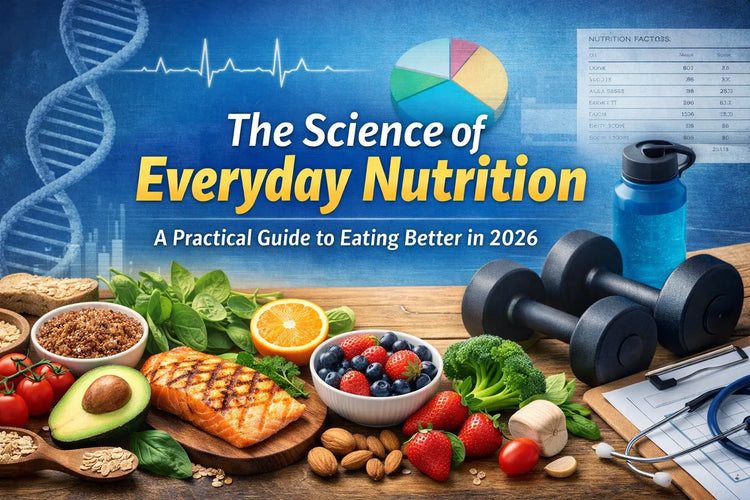
Nutrition should be viewed as a way to fuel your body and provide it with the building blocks it needs to thrive, not as a test of your willpower. When we label foods as “good” or “bad,” we create a cycle of deprivation and craving. Extreme dieting and calorie cutting often backfire by increasing the brain’s obsession with the very foods you are trying to avoid. By practicing “gentle nutrition,” you focus on nourishing yourself while still leaving room for the foods you enjoy.
Balanced Plates Made Simple
You don’t need a degree in dietetics to eat well. A simple way to think about your meals is the “balanced plate” method. This approach ensures you get the nutrients you need to feel satisfied and energized.
- Protein: This is your “fullness” factor. Foods like chicken, fish, beans, tofu, or eggs help keep hunger at bay for longer.
- Fiber: Found in vegetables, fruits, and whole grains, fiber adds bulk to your meals and helps your digestion, contributing to a steady release of energy.
- Healthy fats: Avocados, olive oil, and nuts aren’t only delicious but they are also essential for hormone health. These foods help you feel truly satisfied after a meal.
Listening to Hunger and Fullness
Many of us have lost touch with our body’s internal cues due to years of following a rigid diet clock. Relearning how to listen to your hunger is a process that requires awareness without pressure. Hunger is not a sign of failure or your very own lack of discipline. It is the body’s way of saying that it needs energy to fully function. Similarly, learning how to stop when you’re already comfortably full, rather than “stuffed,” allows you to be aware of your body’s actual needs instead of just following a set of external whims or rules.
Movement That Supports Your Body
There is a common misconception that if you aren’t sweating profusely or gasping for air, it “doesn’t count” as exercise. This couldn’t be further from the truth. Movement is about supporting your body’s function, not punishing it for what you ate and stored. It is also important to normalize low-energy days. On days when you feel exhausted, pushing through a high-intensity workout can sometimes do more harm than good by spiking stress hormones.
On those days, or when you are just starting out, gentle movement is incredibly effective. Make the following a daily habit:
- Walking (e.g., simple strolling)
- Stretching (e.g., 10 minutes of moving tight joints to reduce stiffness and improve circulation)
- Light strength work (use small weights or your own body weight to maintain muscle mass)
Find What Feels Good
The best exercise is one that you will actually do consistently. If you hate running, don’t run. If you love dancing, do that instead. When you find an activity that feels good, your brain stops seeing that exercise as a chore. One of the most helpful sustainable weight loss tips is to let go of the “calories burned” mindset. Instead of exercising to “burn” extra calories (even though it’s the truth), focus your mind on thinking that you’re exercising to feel strong, flexible, and clear-headed.
The Role of Sleep, Stress, and Emotions
Why Sleep Matters for Weight
We often focus so much on what we do while we are awake that we forget the importance of what happens while we sleep. Lack of sleep is a major driver of weight gain because it disrupts the hormones that control hunger (ghrelin) and fullness (leptin). When you are sleep-deprived, your body actively seeks out high-energy, sugary foods to compensate for the fatigue.
To improve your sleep, try creating a “wind-down” routine, such as dimming the lights an hour before bed, putting away screens, and keeping your bedroom cool and dark. Consistent sleep is often the “missing link” in many weight loss programs.
Stress and Emotional Eating
Eating for comfort is a deeply human experience. And, it is nothing to be ashamed of. Food provides a genuine chemical hit of dopamine that can temporarily soothe anxiety or sadness. However, when it becomes the only way you cope with stress, it can feel like you’ve lost control.
Instead of self-blame, try these strategies:
- Pause when the urge to eat for comfort hits. You can still eat, but give yourself a moment to breathe first.
- Ask yourself what you are actually feeling. Name the emotion if you can (e.g., feeling lonely or overwhelmed) to reduce its power over you.
- Find alternatives if you are stressed. Instead of eating, you can go for a warm shower, listen to a five-minute entertaining podcast, or call a friend for a quick touching base.
Setbacks Are Part of the Process
Everyone has days where things don’t go according to plan: A celebration with extra cake, a stressful day that ended in takeout, or a week where the gym didn’t happen. The difference between those who succeed and those who quit is how they handle the “morning after.”
Rather than seeing a slip as a failure, try to see it as information. Why did it happen? Were you too hungry? Too stressed? Once you understand the “why,” you can adjust your plan for next time to “make up” for a bad day by eating less the next day. You can return to your normal, balanced habits without feeling guilty or stuck over a slip.
Progress Is Not Linear
It is important to normalize the fact that progress usually looks like a jagged line in reality. It does not look straight or linear at all. There will be weeks where your weight plateaus or even slightly increases despite your best efforts. These pauses are often your body’s way of recalibrating to its new weight. During these times, focus on how you feel and the habits you are maintaining. If you stay the course, the results will eventually follow.
When to Seek Extra Support
While individual effort is important, there are times when professional guidance is the correct choice you can make for yourself. Weight management is a medical and psychological process, and you don’t have to carry the burden on your own.
You may consider seeking extra support if you notice the following:
- You feel stuck or are not seeing results despite consistent effort
- You experience ongoing emotional distress, guilt, or anxiety around food and eating
- You have underlying medical conditions that worsens control over weight management (e.g., PCOS, thyroid issues, or insulin resistance)
What Support Can Look Like
Support can come in many forms, depending on your needs. Your primary care physician can rule out medical roadblocks or discuss whether medications may be a helpful tool for you. Registered dieticians can provide personalized nutrition counseling that moves away from restrictive dieting and toward sustainable health. There are also weight-focused programs and support groups that prioritize long-term health and psychological well-being over shame-based tactics.
What Success Really Looks Like
As you progress through your goal, it is helpful to redefine what success actually means and looks like. Success does not look like a small number on a scale or fitting into your old pair of jeans. True success is measured in sustainable habits that you can maintain even when you’ve already attained your goal and when things get stressful. Integrating sustainable weight loss tips into your daily rhythm means you are no longer “on” or “off” a diet; you are simply living your life in a way that honors your body.
Success is also “feeling” stronger in your muscles, calmer in your mind, and more confident in your ability to take care of yourself. It is about the freedom that comes from no longer being at war with food or your reflection.
Final Thoughts
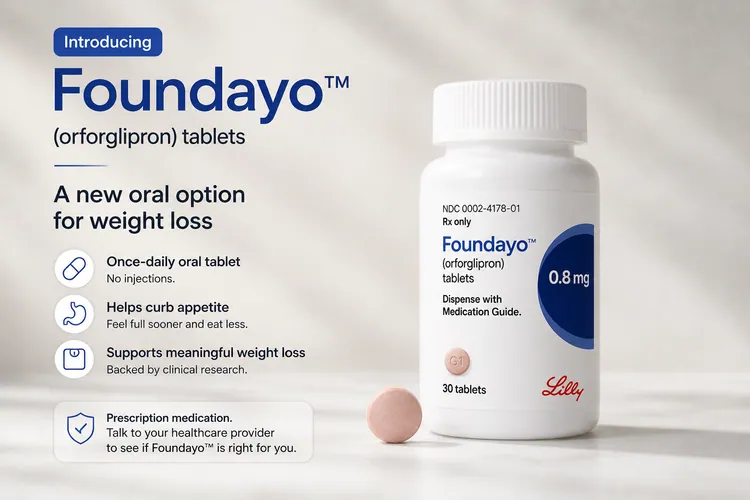
Remember that meaningful change takes time. You are unlearning decades of habit or societal pressure. Be patient and kind with yourself as you progress slowly. Health is not a destination you reach and then stop. You need to think of it as a long-term relationship with yourself, which requires care, adjustment, and a lot of self-compassion. And when push comes to shove, you have tools to help you, such as professional help that will offer prescription drugs to support weight management. And even that is not a failure.
Frequently Asked Questions
How long will it take before I start seeing results?
Real, lasting change happens gradually as your body adapts to new routines. While some people notice they have improved energy or better sleep within a few weeks, focus on the consistency of your habits rather than a specific date on the calendar.
Do I need to cut out all sugar and "junk food" to be successful?
No, you don’t need to cut out or remove specific foods or strive for perfection to reach your goals. Sustainable weight loss involves finding that balance between nourishing your body with fuel and leaving room for the foods you truly enjoy.
What should I do if I hit a plateau and the scale stops moving?
Plateaus are a normal and expected part of the process as your body is adapting. Instead of cutting more calories, use this time to celebrate non-scale wins, such as how your old clothes fit or your increased strength.
4.5 / 5.0 Rating
Based on verified long-term metabolic health outcomes.
Medical & Legal Disclaimer
The information provided in this article is for educational and informational purposes only and is not intended as medical advice, diagnosis, or treatment. The content should not be used as a substitute for professional medical advice from a licensed healthcare provider.
About the Author
Jaclyn P. Leyson-Azuela, RMT, MD, MPH, is a physician, medical writer, and researcher with a strong background in public health, clinical medicine, and academic instruction. She has served as an Assistant Professor teaching core medical sciences, a Doctor-to-the-Barrio delivering frontline care in underserved communities, and a COVID-19 facility manager during the pandemic.