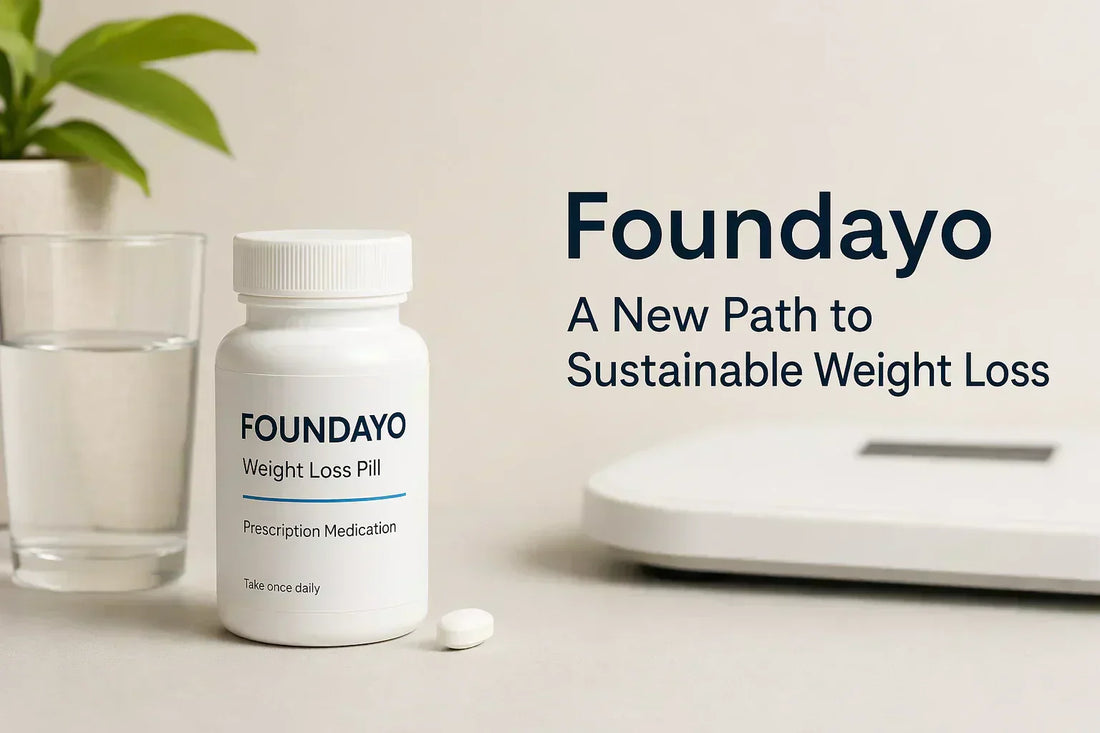
Foundayo Weight Loss Pill (Orforglipron): Benefits, Side Effects & Cost in 2026

Jaclyn P. Leyson-Azuela, MD
Physician & Public Health Expert • April 16, 2026 • 12 min read
What Is Foundayo? Everything Americans Need to Know About the New Weight Loss Pill
For many people, weight loss has been a long and exhausting road. They have tried cutting carbs, joining gyms, and following every diet trend out there, and yet the scale barely moves. If that sounds familiar, you are not alone. A new prescription weight loss pill called Foundayo is now drawing attention across the United States, and many people are wondering whether it might be the support they have been looking for.
This article breaks down everything worth knowing about Foundayo, so anyone can make a more informed decision with their doctor's guidance.
Understanding Foundayo?
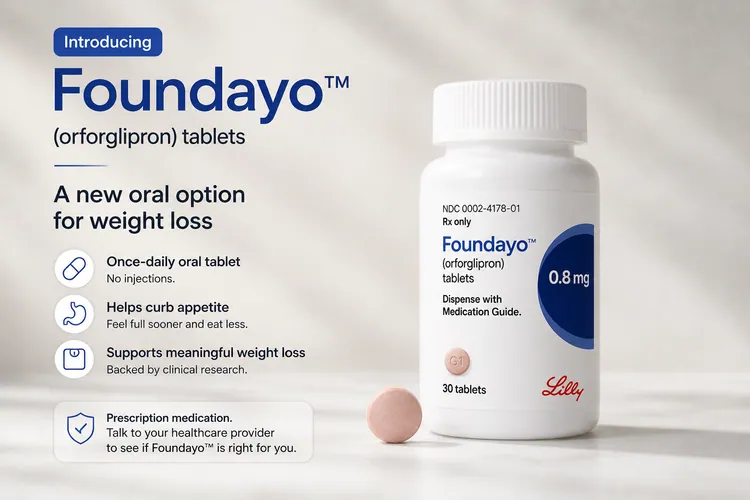
Foundayo is a new prescription pill designed to help adults lose weight gradually over time. It is meant to work alongside healthier eating and regular movement, not as a quick fix or a replacement for a balanced lifestyle. It was developed for people who have genuinely struggled with their weight despite putting in real effort, and who may need a little extra medical support to get results.
Weight management is a medical issue, not a willpower problem. Foundayo acknowledges that by offering a structured, prescription-based path forward for adults who qualify.
How Is It Different From Other Weight Loss Medications?
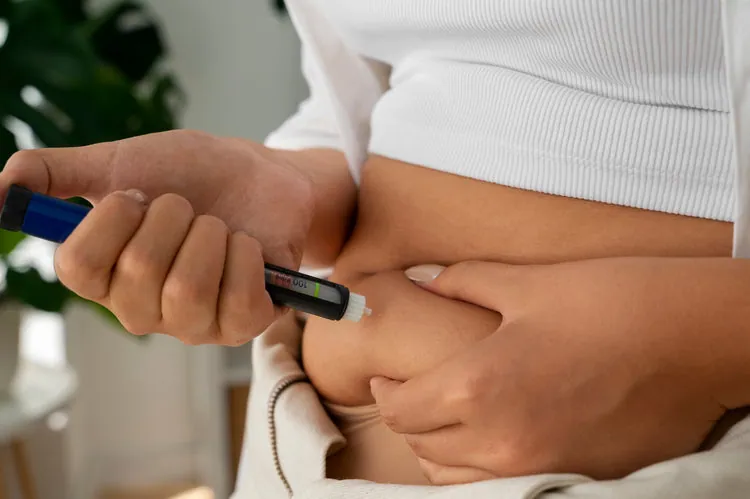
Most people who have heard of weight loss medications think of injections, which can feel intimidating or inconvenient. Foundayo is taken as a pill, which many people find easier to fit into a daily routine. It may work by helping the body feel full sooner and by calming the hunger signals that often lead to overeating or snacking between meals.
This oral format makes it stand out as a practical option, particularly for those who prefer not to use injectable medications.
Why Are People Talking About It?
Obesity rates in the United States continue to rise. Millions of Americans are living with weight-related health concerns, and many have tried and tried again without lasting success. Foundayo has attracted attention because early study results show meaningful progress, and it offers an alternative to the injectable medications that dominate news headlines right now. In fact, in 72 weeks, orforglipron, which is its molecule name, demonstrated significantly higher weight loss than placebo.
How Foundayo Works in the Body
Foundayo appears to work by targeting appetite control, which is the body's system for signaling hunger and fullness. It may slow down how quickly the stomach empties after a meal, which means the feeling of fullness lasts longer. It can also reduce cravings, making it easier to get through the afternoon without reaching for snacks.
The result is a quieter, less urgent relationship with food, which many people on weight loss medications describe as genuinely life-changing.
What Does That Mean Day to Day?
Practically speaking, people taking Foundayo often notice they feel satisfied with smaller portions. Hunger between meals becomes less intense. Weight loss tends to happen gradually, over weeks and months, rather than in sudden drops, which is actually healthier and more sustainable for the body.
A Quick Note on Expectations
Foundayo is not an overnight solution, and it was never meant to be. Results vary from one person to the next, depending on factors like starting weight, overall health, and lifestyle habits. The medication works best when paired with small, realistic changes, like choosing balanced meals, moving more, and drinking enough water. Anyone starting Foundayo with the expectation of dramatic results in two weeks may feel discouraged, so it helps to go in with a clear, patient mindset.
Who Might Be a Good Candidate?
People Who May Benefit
Foundayo is generally aimed at adults who fall into the overweight or obese range, which doctors measure using body mass index (BMI), a number calculated from height and weight. It may also be a good fit for people who already have weight-related health concerns, such as high blood pressure, type 2 diabetes, or high cholesterol. Those who have put consistent effort into diet and exercise but still struggle to lose weight are often the ones who benefit most from this kind of medical support.
People Who May Need to Be Cautious
Some groups should approach Foundayo carefully or may not be good candidates at all. These include:
- Pregnant or breastfeeding individuals, since the effects on unborn or nursing babies are not yet fully understood
- People with certain medical conditions that may interact with the medication
- Those already taking other medications that could conflict with Foundayo's effects
Feeling unsure about whether Foundayo is right for you is completely understandable. This is a personal decision, and there is no pressure to say yes. A healthcare provider can sit with you, review your medical history, and help you weigh the possible benefits against any risks in a calm and honest way.
What Do Studies Say So Far?
Early research on Foundayo shows that people lost roughly 5 to 15 percent of their body weight over several months of use. That might not sound dramatic, but in real terms, it is significant. For someone weighing 200 pounds, losing 10 to 30 pounds through steady, medically supported progress is a meaningful and measurable health improvement.
The weight loss seen in studies tends to be steady rather than sudden, which is exactly the kind of progress that is more likely to last.
What This Could Mean for Your Health
Weight loss of even 5 to 10 percent can have real effects on the body. People in studies reported improvements in blood sugar levels, better blood pressure readings, and more energy throughout the day. For someone managing type 2 diabetes or living with heart disease risk factors, those numbers translate into fewer medications, fewer complications, and a better quality of life.
What We Still Do Not Know
Research on Foundayo is still ongoing, and there are gaps worth being honest about. Long-term data spanning many years is not yet available, so it is hard to say with certainty how the body responds to the medication over a decade of use. How well it works across different populations, age groups, and ethnic backgrounds also needs more study. Patients and doctors should make decisions based on the best available evidence while staying open to new information as it comes in.
Possible Side Effects (And What They Feel Like)
Common Side Effects
Like most medications, Foundayo can cause side effects, particularly in the first few weeks as the body adjusts. The most commonly reported ones include:
- Nausea, which is that unsettled, queasy feeling in the stomach
- Mild stomach discomfort or bloating
- Constipation or, in some cases, loose stools
When to Seek Help
Most side effects are mild and ease up within a few weeks. Still, some symptoms need medical attention right away. These include:
- Severe or ongoing nausea
- Signs of dehydration (e.g., dizziness, dry mouth, or very dark urine)
- Any symptoms that feel serious or unusual
When in doubt, calling a doctor or nurse is always the right move.
You have to remember, however, that the body often needs time to adjust to a new medication, and that is not a sign that something is wrong. Many people get through the early side effects and go on to feel much better in the weeks that follow. You are not alone if things feel a little rough at first.
What Taking Foundayo Looks Like Day to Day
How It's Taken
Foundayo is typically taken once daily, following the instructions on a prescription. Taking it at the same time each day, perhaps with breakfast or another regular activity, can help make it a consistent habit rather than something easy to forget.
What a Typical Day Might Feel Like
For most people, the changes are subtle at first. Hunger between meals feels less urgent. A smaller plate of food starts to feel satisfying. Cravings for high-calorie snacks may ease up. These are not dramatic shifts, but over weeks and months, they add up. People often describe it as finally feeling like their hunger is at a manageable level rather than something they are constantly fighting against.
Tips That Patients Find Helpful
A few simple habits can make the medication work better and reduce side effects:
- Eat slowly and pay attention to when you feel full, since Foundayo may make those signals arrive sooner than expected
- Drink plenty of water throughout the day, as staying hydrated supports digestion and helps with any stomach discomfort
- Keep meals straightforward and balanced, with vegetables, lean protein, and whole grains, to give the body steady fuel
Common Feelings People Experience
Starting a weight loss pill comes with a mix of emotions that few people talk about openly. Hope is usually the first one, that quiet, cautious feeling of "maybe this will finally work for me." Right behind it comes doubt: "What if it doesn't?" And if results come slowly, frustration is not far behind. All of these feelings are normal, and none of them mean the process is failing.
Weight loss journeys are rarely straight lines. There will be weeks with progress and weeks where nothing seems to move. Small changes still count, even when they are hard to see on a scale. Taking things one step at a time, without comparing progress to anyone else's, tends to make the whole process more manageable and far less stressful.
Risks, Safety, and Things to Consider
Foundayo should always be used under a doctor's supervision. Taking a weight loss pill without medical oversight can be risky, since dosing, timing, and any interactions with other medications all need to be monitored by someone qualified. Combining it with other weight loss drugs unless specifically advised by a doctor is something to avoid.
Questions Worth Asking Your Doctor
Walking into a doctor's appointment with clear questions can make the conversation much more useful. Some questions worth bringing up include:
- "What results should I realistically expect, and over what time frame?"
- "How long would I need to take this?"
- "What happens to my weight if I stop?"
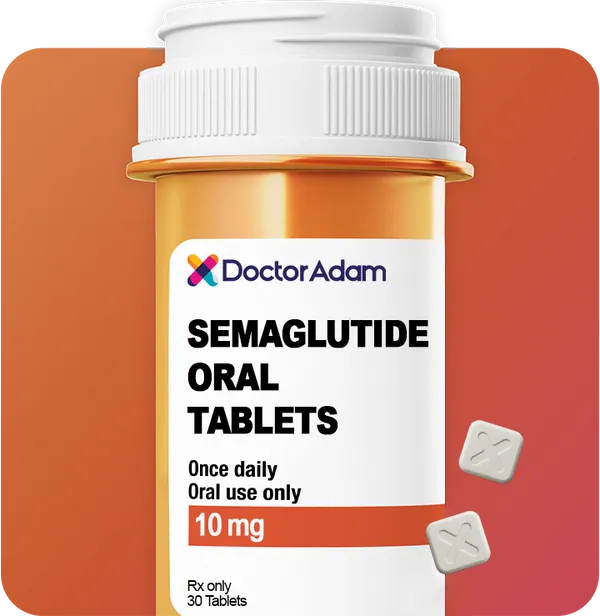
At Doctor Adam, we will answer all your questions as honestly and simply as possible. We value your safety and we take your health as our highest priority. We will tailor your weight loss regimen according to your lifestyle and needs.
Practical Considerations
Beyond the medical side, there are real-world factors to think about. The cost of prescription weight loss medications can be high, and insurance coverage varies widely. Availability may differ depending on location and pharmacy supply. Committing to a medication long-term also requires follow-up appointments and consistent communication with a healthcare provider, which takes time and planning.
What Happens If You Stop Taking It?
One of the most common questions people ask is what happens when they stop. The honest answer is that appetite often returns to where it was before, and some weight regain is possible. This is not a flaw in the medication. It reflects how the body responds to changes in appetite-regulating signals.
The most practical thing someone can do while taking Foundayo is to build habits that will last beyond the medication. Learning to eat more slowly, recognizing fullness, staying active in manageable ways, these are the routines that create a foundation for lasting change. The medication can help create a window of opportunity; lifestyle habits are what fill that window.
Regaining some weight after stopping a medication is not a personal failure. The body has complex systems for managing weight, and those systems do not simply reset permanently after a pill. Working with a doctor or dietitian during and after treatment can help maintain as much progress as possible, with support rather than judgment.
Is Foundayo Right for You?
Foundayo may be a genuinely helpful tool for people who need medical support in their weight loss journey. But it works best as one part of a broader plan, not as the only strategy. Realistic lifestyle changes, consistent medical follow-up, and patience are all part of the picture.
There is no single answer that fits everyone. Health goals, existing medical conditions, daily routines, and personal preferences all matter when deciding whether this medication is a good fit. What works well for one person may not be right for another, and that is perfectly okay.
If you are actively looking into your options, learning more is already a meaningful step. Seeking clear information, asking good questions, and being willing to have an honest conversation with a doctor are all signs of someone taking their health seriously. That matters. Every person deserves access to good information, thoughtful care, and support on whatever path they choose.
Frequently Asked Questions
Long-term safety data is still being collected, so it is too early to draw firm conclusions about years of continuous use. It should always be taken under a doctor's supervision, who can monitor for any changes over time. Regular check-ins with a healthcare provider are a key part of using this medication responsibly.
Most people begin noticing changes in appetite and portion tolerance within the first few weeks. Measurable weight loss typically becomes visible over several months of consistent use. Results vary based on starting weight, lifestyle habits, and individual body response.
Some medications may interact with Foundayo, so it is necessary to share a full list of current medications with a doctor before starting. Combining it with other weight loss drugs without medical guidance can raise safety concerns. A doctor will review the full picture and advise on what is safe for each individual situation.
Jaclyn P. Leyson-Azuela, RMT, MD, MPH, is a physician, medical writer, and researcher with a strong background in public health, clinical medicine, and academic instruction. She has served as an Assistant Professor teaching core medical sciences, a Doctor-to-the-Barrio delivering frontline care in underserved communities, and a COVID-19 facility manager during the pandemic.