How Real-Time Monitoring Is Changing Access to GLP-1 Medications?
Share
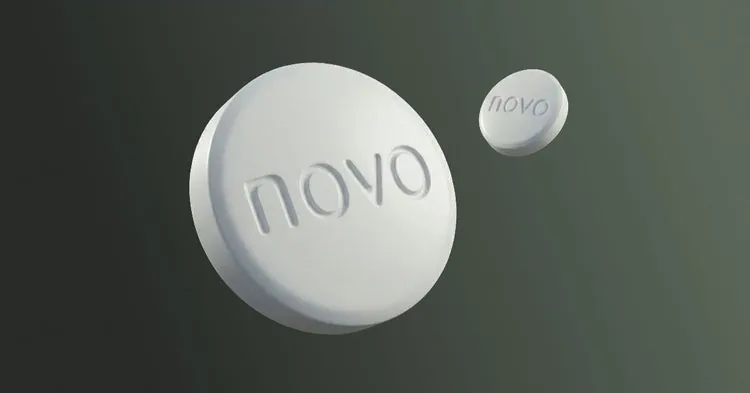
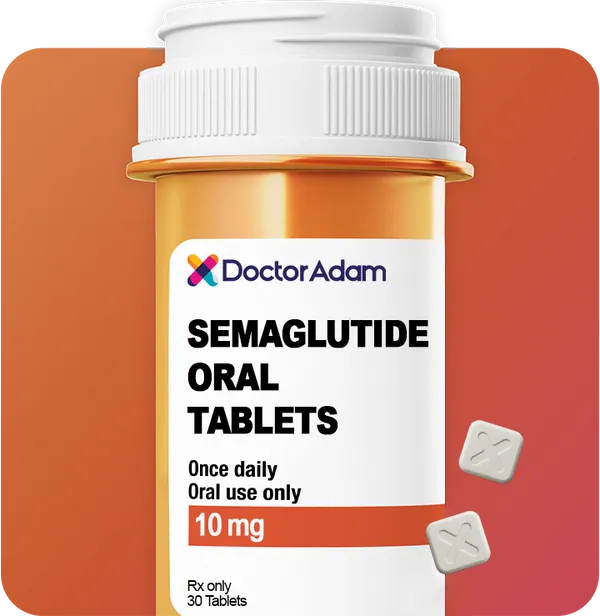
GLP-1 receptor agonists have become a powerful way to help manage diabetes. Drugs like semaglutide (Ozempic and Wegovy) and tirzepatide (Mounjaro) are known for their efficacy in regulating blood sugar levels and promoting significant weight loss. with newer options such as oral semaglutide treatment expanding access for patients who prefer non-injectable therapies.
However, this popularity has also brought a complex crisis: millions of people who qualify for these treatments simply cannot get them. Whether it’s because of the supply chain shortages or strict insurance requirements and high out-of-pocket costs, people are trying to find new ways to get the medication they need.
Recently, a solution has emerged to make GLP-1 medications more accessible: real-time monitoring (RTM). This approach moves patient care from sporadic doctor visits to continuous data streams, providing the visibility they need to smooth out logistical and financial roadblocks.
That way, by connecting patient data directly to the providers and payers, real-time monitoring can do more than just tracking health; it can rewrite the ways in which you get medication.
The Demand for GLP-1 Medications
Glucagon-like peptide-1 (GLP-1) receptor agonists mimic a hormone that targets the areas of the brain that help regulate appetite and food intake. While it was originally meant to treat type 2 diabetes, researchers found it had a significant impact on weight loss. This led to broader FDA approvals and off-label use.
These medications work by mainly enhancing feelings of fullness, as a result, reducing your calorie intake. They slow gastric emptying, meaning that foods stay longer in the stomach, prolonging satiety.
The medication, along with lifestyle changes, has shown to promote a 15% weight loss reduction in some people. Due to its incredible results, it has significantly increased patient demand. When drug availability is low, it becomes a critical ethical and medical issue.
Why It’s Difficult to Get GLP-1 Prescriptions
- Insurance Prior Authorizations (PAs): Payers are cautious about the high price of these drugs. They often require extensive documentation providing the medical reason for this medication before they agree to cover it. And, this process can take several weeks.
- Step Therapy Protocols: Many insurers insist that patients try cheaper, older medications before they will pay for GLP-1.
- Continuation of Therapy Requirements: Even after approval, it’s not guaranteed that you are going to get covered forever. Payers often require proof that the drug is working, specifically that the patient has lost a significant amount of bodyweight or lowered their A1c levels.
- Supply Chain Problems: Pharmacies often don’t know when new stock is coming. As a result, patients are left calling dozens of locations to find a single box, with no centralized system to help navigate their inventory.
What is Real-Time Monitoring?
Real-time monitoring involves the use of connected digital health tools to help track a patient’s physiological data and medication adherence outside of a clinical setting. This ecosystem includes:
- Connected Devices: Smart scales, continuous glucose monitoring (CGMs), and blood pressure cuffs that automatically upload the data to a secure cloud.
- Digital Health Apps: These are platforms where the patients log symptoms, side effects, and keep track of their diet.
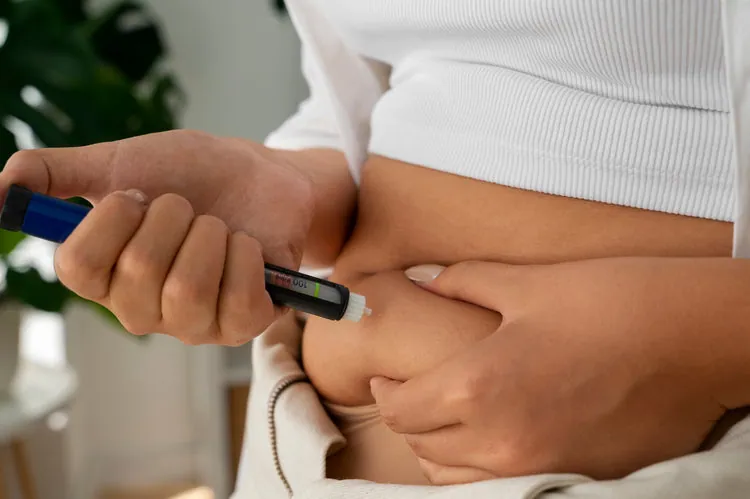
- Smart Packing: Blister packs or injector pens that record exactly when you administer a dose.
All of this data goes into a central dashboard, which is accessible by healthcare providers and, in some models, care managers or pharmacy benefit managers. So, instead of waiting three months for a follow-up appointment to see if the treatment is working, the care team gets a daily picture of what is going on.
Benefits for Patients
For those taking GLP-1 medications, real-time monitoring changes the experience from a solitary struggle to a supported journey.
Proactive Side Effect Management
One of the main reasons why patients stop GLP-1 therapy is due to gastrointestinal discomfort. With a real-time monitoring app, someone can log “moderate nausea” on a Tuesday morning. Algorithms or care teams can immediately flag this and send automated advice, such as “try eating smaller, non-greasy meals” or “stay hydrated.” It can also send an alarm to the physician to pause increasing the dosage.
This rapid response prevents minor discomfort from becoming the reason why patients quit therapy.
Visualizing Progress
Weight loss and metabolic health are rarely linear. It’s actually common to get plateaus. When someone relies solely on the number on the scale once a week, a plateau can be highly discouraging.
Real-time data, specifically from CGMs, can show victories that the scale misses, such as improved time-in-range for blood glucose or lower post-meal spikes. Seeing these micro-wins can keep patients motivated and adherent to the protocol.
Inventory Security
Some advanced digital health platforms are not integrating inventory management with patient monitoring. By tracking the medication use through connected apps, these systems can predict when a patient will run out of medication and trigger a refill automatically.
That way, in times of shortage, these systems can even route prescriptions to pharmacies that are known to have stock, removing the burden of having to find which pharmacy has the medication available.
Benefits for Providers
Data-Driven Triage
Not every patient needs a 20-minute consultation every month. Real-time dashboards allow providers to practice “management by exception.” The software highlights patients who are struggling, for example, those who are gaining weight, experiencing severe side effects, or showing unstable blood glucose levels.
This allows the care team to focus their energy where it’s needed the most. Additionally, patients who are progressing well can receive automated encouragement, saving clinical time for more complex cases.
Simplified Prior Authorization
Insurance policies are significant barriers to accessing the medication. Real-time monitoring platforms can automatically generate the reports insurance companies need. Instead of a doctor spending hours sending several emails proving that the patient lost 5% of their body weight, the system can create a compliance report instantly.
Optimized Titration
Figuring out the right dose can be complicated. Moving up too fast can cause side effects, but moving too slow can delay results. Continuous data streams allow providers to micro-adjust titration schedules based on how the patient’s body is actually responding day-to-day, rather than following a rigid, one-size-fits-all protocol.
Challenges in Implementation
HIPAA Compliance and Encryption
Any platform that uses GLP-1 monitoring must be rigorously HIPAA compliant. This means end-to-end encryption protects data both in transit (moving from the device to the cloud) and at rest (stored in the servers).
Patients need assurance that their weight, glucose levels, and medication history are only available for those who are authorized and not sold to third-party advertisers.
Transparency and Consent
Providers need to be transparent about what data is being collected and how it’s being used. Is the data only for clinical decisions, or is it being used for research? Clear consent protocols are essential. Patients are generally willing to share data if they understand the value exchange (their data is safe, and they get more consistent access to the medication).
The Future of Managing GLP-1 Medications
Ai-Driven Predictive Analysis
Future systems won’t just report what happens, they will predict what will happen. AI-trained models can predict which patients are at high risk of severe side effects based on their initial biomarker response.
This can allow providers to adjust protocols preventatively, such as prescribing anti-nausea medication or choosing a slower titration schedule before the first symptoms appear.
The Smart Supply Chain
Imagine a supply chain that is fully responsive to real-time patient needs. This can allow for a more accurate demand, helping out the manufacturing cycles and preventing a sudden increase in medication followed by a significant drop.
Holistic Metabolic Health Ecosystems
Real-time monitoring platforms will likely integrate with grocery delivery services, fitness trackers, and mental health support, creating a holistic ecosystem where the GLP-1 medication is just one ingredient in the complex formula.
The Bottom Line
Real-time monitoring is changing the world of GLP-1 medications. For patients, this transition means safer usage, better side-effect management, and fewer hurdles with insurance. For providers, it provides the necessary care to treat obesity and diabetes.
As technology grows, real-time monitoring will evolve from an optional add-on into standard care, ensuring these powerful medications reach their full potential.
This article is for informational purposes and does not constitute medical advice. Please consult your healthcare professional before starting any weight loss program.
Article Reviewed By: Brenda Peralta, Registered Dietitian Nutritionist (RDN) & Certified Diabetes Educator (CDE)