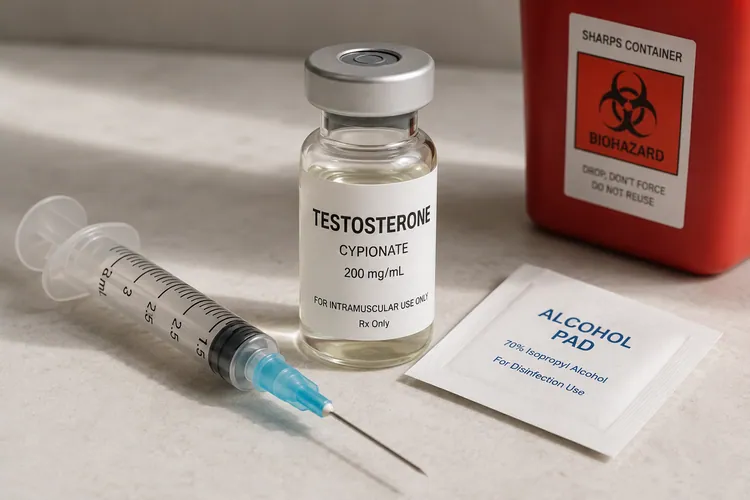
Low Testosterone Symptoms: 9 Signs You Shouldn't Ignore

Jaclyn P. Leyson-Azuela, RMT, MD, MPH
Physician & Medical Writer • March 8, 2026 • 6 min read
9 Signs of Low Testosterone You Shouldn't Ignore
If you’re feeling constantly tired, struggling with motivation, or noticing changes in your sex drive, you may be experiencing low testosterone symptoms. Many men assume these changes are simply part of aging, but they can also be early signs of low testosterone.
It is very common for men to reach a point where they feel like something is simply “off.” You might notice that your usual spark has dimmed, or perhaps you are finding it harder to get through a standard workday without a mid-afternoon slump. When energy drops and motivation fades, it is easy to assume that these are just the standard consequence of getting older. While aging is a natural process, these shifts are sometimes related to specific hormonal changes. If you are experiencing persistent fatigue or a lack of drive, it may be time to consider the signs of low testosterone and how they impact your daily life.
Some men who experience these symptoms eventually explore medical options such as testosterone replacement therapy to restore healthy hormone levels and improve overall wellbeing.
Testosterone is a hormone produced primarily in the testicles. While often associated only with “manliness” or muscle, it actually serves as a multi-purpose chemical messenger that influences your sex drive, bone health, mood, and even how your body produces red blood cells. When these levels dip, your body begins to send signals that may feel confusing or even a bit embarrassing to talk about. However, identifying these signs is the first step toward feeling like yourself again. Low testosterone is a common condition, and once it is recognized, it is very treatable. This guide will walk you through nine specific signs, what they feel like in a real-world context, and how you can move forward.
1. Low Sex Drive (Reduced Libido)
One of the earliest and most frequent signs that men report is a noticeable decrease in their interest in sex, often called a reduced libido. This is not just about a busy week at work making you tired. It is a fundamental shift in how often you think about intimacy.
When to Pay Attention
It is important to remember that occasional changes are perfectly normal. Stress, fatigue, and relationship dynamics play a huge role in how you feel. However, if you notice that this lack of interest lasts for several months or feels significantly different from your usual self, it is worth a conversation with a healthcare provider.
2. Erectile Changes
Beyond just the desire for sex, testosterone plays a supporting role in the physical ability to have an erection. If you are noticing changes in this area, it can be a source of significant anxiety, but it is a very common topic that doctors handle every day.
If you are struggling with these changes, please know that you are not alone. These issues are highly treatable. Bringing this up with a professional can feel daunting, but it is the quickest way to find out if the cause is hormonal, circulatory, or related to stress.
In many cases, erectile changes may also be linked with hormonal imbalances or circulation issues. Modern men’s sexual wellness treatments can help address both the physical and hormonal factors involved.
Doctor Adam understands how this feels and thus provides evidence-based treatment that is tailored to your specific needs and preferences.
Through the online doctor consultation service, patients can discuss symptoms privately with licensed medical professionals and explore personalized treatment options.
3. Constant Fatigue or Low Energy
We all have days where we feel tired, but the fatigue associated with low testosterone is often described as a "deep" or "persistent" exhaustion that does not go away with a good night's sleep. You might find yourself struggling to get through your normal daily routine. Tasks that used to be easy might now feel like a chore. Many men mention that they used to have energy for hobbies or exercise after work, but now they find themselves wanting to go straight to the couch.
This happens because testosterone is tied to several systems that produce energy. It supports muscle strength, helps your body produce red blood cells (which carry oxygen), and plays a role in your metabolism, which is the process of turning food into fuel. When these levels are low, your body's "engine" is essentially running less efficiently.
For some men, persistent fatigue may also be related to hormonal changes that affect metabolism and recovery. Medical providers sometimes evaluate symptoms alongside treatments such as medical weight management programs to improve overall metabolic health.
4. Loss of Muscle Mass or Strength
Testosterone is one of the primary hormones responsible for building and maintaining muscle tissue. When levels are insufficient, you might see physical changes in your body composition even if your activity level remains the same. You may notice that your muscles feel "softer" or less defined. Even if you are still going to the gym, you might find that your strength is decreasing or that it is becoming much harder to lift the same weights you handled easily a year ago.
This occurs because testosterone helps your body produce the proteins needed to build muscle fibers. Without enough of the hormone, the process of repairing and growing muscle after a workout slows down significantly. This is one of the signs of low testosterone that can directly affect your physical confidence and ability to perform daily tasks like carrying groceries or doing yard work.
If muscle loss continues despite regular exercise and a healthy diet, it may be worth discussing hormone levels with a provider who can evaluate whether testosterone therapy could be an appropriate option.
5. Increased Body Fat
Just as testosterone helps build muscle, it also plays a key role in how your body manages and stores fat. When levels drop, many men notice an increase in body fat, particularly around the midsection.
Weight Gain and the Abdomen
This isn't always about eating more; it’s about how your body processes energy. You might find yourself gaining "belly fat" or noticing that your clothes fit differently around the waist. You may also find it much harder to lose weight despite dieting.
The Hormone Balance Effect
Testosterone influences insulin sensitivity, which is how your body processes sugar, and your overall metabolism. Lower levels can make it easier for the body to store fat and harder to burn it off.
6. Mood Changes or Irritability
While we often think of hormones as a "female" topic, men’s moods are also deeply influenced by their hormonal balance. Low testosterone can sometimes manifest as emotional shifts that feel out of character. You might notice that you are more irritable or frustrated by small things that never used to bother you. Some men describe a general "low mood" or a lack of the optimism they once had.
7. Trouble Concentrating or “Brain Fog”
Many men with low testosterone describe a sensation of "brain fog". This is a feeling of being mentally slower or less "sharp" than you used to be.
8. Loss of Body Hair
While thinning hair on the head is often tied to genetics, testosterone is responsible for the growth of hair on the rest of your body.
9. Reduced Bone Strength
Testosterone is vital for maintaining bone density, which is the strength and thickness of your bones.
When Should You Talk to a Doctor?
If any of the signs mentioned above resonate with you, it may be time to seek medical advice.
Frequently Asked Questions
Testosterone levels typically begin to drop by about 1% each year after a man reaches age 30 or 40.
Doctors use a simple blood test to check your hormone levels.
Yes, lifestyle changes like regular strength exercise, maintaining a healthy weight, and getting better sleep can help support your levels.
Medically Reviewed by
Jaclyn P. Leyson-Azuela, RMT, MD, MPH, is a physician, medical writer, and researcher with a strong background in public health, clinical medicine, and academic instruction. She has served as an Assistant Professor teaching core medical sciences, a Doctor-to-the-Barrio delivering frontline care in underserved communities, and a COVID-19 facility manager during the pandemic.