Mounjaro vs Wegovy: Which GLP-1 Medication Is Right for You?
Share
Making an Informed Decision About Your Health
Making decisions about your health can feel overwhelming, particularly when you’re faced with multiple nearly identical choices. If you have been exploring ways to manage your weight or improve your metabolic health, you have likely heard the names Mounjaro and Wegovy or even read about them yourself. It is completely natural to feel a mix of emotions right now, perhaps a spark of hope that these treatments might finally offer the help you’ve been looking for, but also a fair amount of confusion or worry about which one is "better" or if you are even making the right choice.
The goal of this guide is to give you a sense of clarity. We are going to look at these two medications side-by-side, to help you understand how they work and what makes them different. However, we are not going to give you a prescription. Instead, we are going to equip you with knowledge to have more confident, empowered conversation with your healthcare provider.
What Are GLP-1 Medications?
Before anything else and talk about the brands, let us first understand what the “family” of these medications belong to. You may have heard doctors call them “GLP-1 receptor agonists,” but for our purposes, we can just call them GLP-1 medications.
What Does “GLP-1” Mean?
GLP-1 stands for “glucagon-like peptide-1.” While that sounds like something out of a chemistry textbook, it is a hormone that your body already produces naturally within the gut. So, in a way, these medications are just giving your body a more powerful version of a signal that it already knows how to send.
When you eat, your body releases this hormone and helps it by doing a few very important jobs:
- It helps you feel full sooner. It sends a signal to your brain that says it has enough to eat, which helps you stop eating before you feel overstuffed.
- It slows down your stomach. It acts as a gentle brake on your digestive system, slowing the rate at which food leaves your stomach. This keeps that “fullness” feeling around much longer than usual.
- It manages blood sugar. It tells your pancreas to release insulin when your blood sugar is rising, which helps keep your energy levels stable.
Because these medications help regulate how much we eat and how our bodies process energy, they have become a major breakthrough for both weight management and long-term health.
Why GLP-1 Medications Can Help with Weight
For many people, the hardest part of weight loss isn’t the lack of effort. It’s the constant distraction called the “food noise.” This is that persistent internal chatter that reminds you there are foods to eat in the pantry or makes you feel hungry even shortly after a meal. GLP-1 medications help “turn down the volume” of that noise.
GLP-1 medication mimics the hormones that signal fullness. It changes your appetite at a biological level. You may find that you have fewer cravings or that you are satisfied with much smaller portions.
It is important, therefore, to hear this: needing this medication to manage your weight is NOT a failure. For a long time, society has treated weight as a simple matter of “sheer willpower.” But now we know that biology plays a massive role in it. Using a medication to balance that biology is a form of medical care, just like taking medicine for high blood pressure or asthma.
What Is Mounjaro?
Mounjaro is a medication that has gained significant attention for its effectiveness in clinical trials. While it is often discussed in the same breath as Wegovy, it has a slightly different chemical “blueprint.”
What Mounjaro Is Approved For
Originally, Mounjaro received FDA approval specifically for the treatment of type 2 diabetes. Doctors found that it was exceptionally good at lowering A1C levels, which is a measure of average blood sugar levels over time. However, because the weight loss seen in those diabetes trials was so significant, doctors today often prescribe it “off label” for weight management.
Your doctor might consider Mounjaro if you are managing type 2 diabetes and also want to address your weight, or if other medications haven’t quite met your health goals.
How Mounjaro Works in the Body
What makes Mounjaro unique is that it is a “dual-acting” medication. While Wegovy mimics one hormone (GLP-1), Mounjaro mimics two: GLP-1 and another one called GIP (glucose-dependent insulinotropic polypeptide).
You can think of it as two medications working synergistically together. The GLP-1 part helps with fullness and slowing digestion, while the GIP part is thought to further improve how the body breaks down sugar and fat. For many patients, this “double action” approach leads to very strong effects on both blood sugar stability and appetite reduction.
How Mounjaro Is Taken
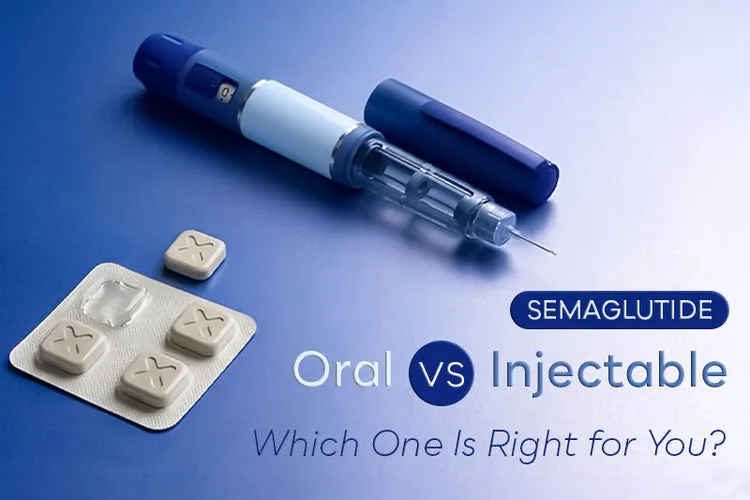
Mounjaro is an injectable medication that you give yourself once a week. It comes in a pre-filled, single use “pen” with a very tiny needle. Most patients choose to inject it into the fatty tissue of the stomach, thigh, or back of the arm.
If you are nervous about needles, you are not alone. However, many patients are pleasantly surprised to find that they barely feel the injection. The needle is hidden inside the pen, and the process is over in a matter of seconds. You don’t have to “measure” the dose yourself. The pen does all the work for you.
What Is Wegovy?
Wegovy is perhaps a famous name when it comes to weight loss. It contains the active ingredient, semaglutide, which is the same ingredient found in the diabetes medication Ozempic.
What Wegovy Is Approved For
Unlike the original approval for Mounjaro, Wegovy was specifically FDA-approved for chronic weight management. It is generally prescribed for adults who have a Body Mass Index (BMI) of 30 or greater, or a BMI of 27 or greater if they also have a weight-related health condition, such as high blood pressure or high cholesterol.
Because it was designed and labeled specifically for weight loss, it is often the first “go-to” for doctors who are helping patients without diabetes improve their weight loss outcomes.
How Wegovy Works in the Body
Wegovy works by mimicking one specific hormone: GLP-1. By acting like the natural GLP-1 that your body makes after a meal, it targets the areas of your brain that regulate the appetite and food intake.
The result is a feeling of “early satiety”, which means you feel full much faster than you used to. It also helps eliminate that constant urge to snack, making it much easier to stick to healthy eating habits without feeling like you are constantly fighting against your own hunger.
How Wegovy Is Taken
Similar to Mounjaro, Wegovy is a once-weekly injection. It also uses a simple, pre-filled pen system designed for easy use at home.
In real practice, the routine is quite simple. You pick one day of the week (like “Wegovy Wednesday”) and take your dose at roughly the same time each week. Most people find that it fits easily into their schedule, and because it is only once a week, you don’t have to remember a daily pill.
Mounjaro vs Wegovy: Key Differences at a Glance
When you’re trying to choose between these two, it helps to see the “big picture” of how they stack up against each other.
How They Work: One Hormone vs Two
The biggest difference is the “ingredients” list.
- Wegovy mimics one hormone (GLP-1)
- Mounjaro mimics two hormones (GLP-1 and GIP)
Why does this matter? For some people, the addition of that second hormone (GIP) in Mounjaro may lead to a slightly more weight loss or better blood sugar control, though both are highly effective. Some patients find they respond better to one active ingredient than the other, which is why having options is so valuable.
Weight Loss Results People Often Ask About
In clinical studies, both medications have shown results that were previously only seen with weight-loss surgery. Generally, studies suggest that Mounjaro may lead to a slightly higher percentage of body weight loss compared to Wegovy, but both are considered “gold standard” options.
It is important to note that your results may vary. Biology of every person is unique. One person may lose a significant amount of weight on Wegovy with almost no side effects, while another may find Mounjaro works better for their specific body chemistry.
Blood Sugar and Metabolic Effects
If you struggle with insulin resistance, PCOS, or type 2 diabetes, the way these medications handle blood sugar is a major factor. Mounjaro’s dual-action formula often provides a very strong “reset” for the metabolism. However, if your primary goal is weight loss and your blood sugar is already within a healthy range, the metabolic differences between the two might not be your main priority.
Side Effects: What Patients Really Want to Know
It is completely normal to feel a bit nervous about the side effects. Most people do. The good news is that most side effects are “digestive” in nature and often settle down as your body gets used to the medication.
Common Side Effects with Both Medications
Because both medications slow down your digestion, your stomach has to adapt to this change. The most common side effects patients report are:
- Nausea
- Changes in bathroom habits
- Feeling very full
- Fatigue
Side Effects That May Feel Scary (But Often Aren’t)
If you feel nauseous, it doesn’t mean the medication is “toxic”. It is actually a sign that the medication is working on your digestive hormonal signals. To make this easier, doctors use a “slow dose increase” wherein you start a very low dose for a month, then slowly increasing over time. This gives your gut time to adapt.
The best approach is to listen to your body. If you already feel full, stop eating. If you’re thirsty, sip some water. Most patients find that by the second or third month, these symptoms are much milder or have gone entirely.
Less Common but Serious Risks
Like any medication, there are rare but serious risks, such as pancreatitis (inflammation of the pancreas) or gallbladder issues. Your doctor will review your family history to make sure these medications are safe for you.
When to call your provider: If you experience severe, persistent stomach pain that radiates to your back, or if you are vomiting and cannot keep fluids down, you should reach out to your healthcare team immediately.
Which Medication Might Be a Better Fit for You?
There is no real “winner” between Mounjaro vs Wegovy. However, there is only one that is the best fit for your life.
Factors That May Point Toward One or the Other
- Weight goals: If you have a significant amount of weight to lose, your doctor might lean toward Mounjaro due to its dual-hormone effect.
- Blood sugar levels: If you have type 2 diabetes, Mounjaro is often the preferred starting point.
- Side effect sensitivity: Some people find they tolerate semaglutide (Wegovy) better, while others prefer tirzepatide (Mounjaro).
Personal Preferences That Matter More Than You Think
Don’t ignore your personal preferences. Answer the following questions as honestly as you can:
- Are you comfortable with the specific injection pen design?
- Do you need a medication that has a long track record of safety specifically for weight loss (Wegovy)?
- Have you tried other medications in the past that didn’t work?
Once you’ve answered these questions, you can now have informative discussion with your healthcare provider.
What Starting a GLP-1 Medication Is Really Like
The first month is a period of “getting to know.” You are learning how your gut adapts to the medication.
The First Few Weeks: What to Expect
You may notice that you suddenly “forget” to eat or that you can’t finish a meal you used to love. This can be an emotional experience for some. Food is often a source of comfort or social connection and seeing your reaction to it change so quickly can be overwhelming.
You may also have some “off” days where you feel a bit nauseous or sluggish. Be patient with yourself. These feelings usually fade as your body finds its new balance.
Eating While on Mounjaro or Wegovy
- Prioritize protein since you’re eating less. Make sure you do eat helps keep your muscles strong.
- Hydrate as much as you can. Water is your best friend to avoid constipation and fatigue.
- Listen for any “stop” signal. You will likely find you can eat much smaller portions. Don’t force yourself to finish a plate if you already feel full.
Weight Loss Plateaus and Slow Progress
Weight loss is rarely a straight line down. There will be weeks when the scale doesn’t move. This is completely normal since your body is still adjusting. Slow progress is always progress, and it is often more sustainable in the long run.
Questions to Ask Your Healthcare Provider
When you go to your appointment, it helps to have a list of questions ready. Here are a few to get you started.
Medication-Specific Questions
- Based on my health history, do you recommend starting with Mounjaro or Wegovy?
- What is the starting dose, and how quickly will we increase it?
- What should I do if I experience a side effect that is extremely bothersome?
Long-Term Planning Questions
- How long do you expect I will need to stay on this medication?
- What does ‘maintenance’ look like once I reach my goal weight?
- How will we monitor my progress beyond just the number on the scale?
Common Concerns and Misconceptions
Will I Gain the Weight Back?
This is the number one fear for most patients. The honest answer is that these medications are often intended for long-term use. Just as someone takes blood pressure medicine to keep their pressure down, you may need these medications (at a lower maintenance dose) to keep your weight stable. Your doctor will help you create a long-term plan so you don’t feel like you’re always on the edge.
Is This the Easy Way Out?
Absolutely not. Using a medical tool to fix a biological challenge is “not cheating.” You still have to make healthy choices, manage your stress, and take care of your body. This medication just makes those healthy choices possible.
What If I Don’t Lose Much Weight?
Even if the scale doesn’t drop as fast as you’d hoped, these medications are still doing their work. They are lowering inflammation, improving your blood sugar levels, and helping your heart. Every bit of metabolic improvement is a win that your future self will thank you for.
The Bottom Line: There’s No One-Size-Fits-All Answer
Mounjaro and Wegovy are both incredible medications, but they remain just medications. The “right” choice is one that aligns with your medical needs, lifestyle, and your doctor’s guidance. There is no “wrong” choice here, only the next step that you’d take to feel better and much healthier.
Final Word
We know that deciding to start a new medication can feel overwhelming. It’s okay to be cautious, and it’s okay to take your time learning and gathering information you need. You deserve to feel supported and informed throughout this entire process. Be kind to yourself, stay informative, and remember that you are taking a step toward achieving a healthier version of you.
Frequently Asked Questions
1. Which is better for weight loss, Mounjaro or Wegovy?
Clinical trials generally show that Mounjaro (tirzepatide) leads to a higher percentage of weight loss compared to Wegovy (semaglutide). However, both are highly effective, and the "better" choice depends on your specific metabolic needs and how your body responds to the medication.
2. Can I switch from Wegovy to Mounjaro?
Yes, switching between medications is possible under medical supervision. If you aren't reaching your goals or are experiencing side effects on one, your healthcare provider can help you transition safely to the other option.
3. Do I need to be diabetic to take Mounjaro?
While Mounjaro is FDA-approved specifically for type 2 diabetes, doctors frequently prescribe it "off-label" for chronic weight management because of its powerful effect on appetite and metabolism.
4. How long does it take to see results?
Most patients notice a reduction in "food noise" and appetite within the first few weeks. Significant, visible weight loss typically becomes more apparent after 2-3 months as you gradually increase your dosage to the therapeutic level.
5. What are the most common side effects?
The most common side effects for both are digestive, including nausea, diarrhea, constipation, and feeling overly full. These are usually temporary and improve as your body adjusts to the medication over time.
Medical & Legal Disclaimer
The information provided in this article is for educational and informational purposes only and is not intended as medical advice, diagnosis, or treatment. The content should not be used as a substitute for professional medical advice from a licensed healthcare provider.
About the Author
Jaclyn P. Leyson-Azuela, RMT, MD, MPH, is a physician, medical writer, and researcher with a strong background in public health, clinical medicine, and academic instruction. She has served as an Assistant Professor teaching core medical sciences, a Doctor-to-the-Barrio delivering frontline care in underserved communities, and a COVID-19 facility manager during the pandemic.