Understanding Women’s Sexual Wellness: A Guide to PT-141
Share
For many women, sexual health can be a challenge as it may be filled with seasons or fluctuating changes. It falls on a very personal level, yet it is often surrounded by silence that can make you feel isolated. If you have observed a change in your desire, it is important to know that boosting libido in women is a topic that millions of others are trying to find answers right alongside you. Sexual wellness is not a luxury. It is an essential pillar of your overall health, sitting right next to the quality of your sleep, the stability of your mood, and your daily energy levels. You deserve to feel connected to your body and your desires, and understanding the tools available to you is the first step toward that connection.
A Gentle Conversation About Libido
Many women quietly wonder, “What happened to my sex drive?” They might remember a time when desire felt easy or spontaneous, but now it feels like a remote memory or another item on a long to-do list. Please hear this clearly: You’re not alone. Changes in libido, or sexual desire, are incredibly common. These shifts can happen at any age, whether you are in your twenties, your fifties, or beyond. Sometimes the change is sudden, following a major life event like moving or a career change. Other times, it is a gradual and confusing decline that leaves you feeling disconnected from yourself.
Low desire is not a personal failure. It is not a character flaw. Most importantly, it does not mean something is “wrong” with you as a woman. Just as you would not blame yourself for feeling tired following a long day or feeling down during a stressful week, your libido is a biological and emotional response that reacts to the world around you. Sexual wellness is part of your overall health. It is just like sleep, mood, and energy. When one part of your health is out of balance, it is natural for other parts to be affected too. Recognizing this is not about fixing a broken part of yourself, but about nurturing your whole being.
What Is Libido, Really?
Libido simply means sexual desire. It is the interest or motivation to be intimate with yourself or a partner. While the definition is simple, the internal system that powers it is quite complex. You can think of your libido as a delicate system affected by a variety of internal and external factors. This system is formed by many things at once.
Hormones act as the chemical messengers that tell your body how to respond. Stress levels and the quality of your sleep determine how safe and rested your nervous system seems. The emotional connection in your relationship and how you feel about your own body also play significant roles. Even the medications you take for other conditions or your general mental health can influence this condition. Chronic medical conditions can also take a toll on your body's resources, leaving less energy for desire.
For many women, desire is not a spontaneous feeling that hits like a bolt of lightning. Instead, it is often responsive. This means it builds after an emotional connection is made, through physical touch, or simply after having a moment of true relaxation. This is a completely normal way to experience desire. Many women feel frustrated when they do not experience the "instant" urge they see in movies, but responsive desire is a healthy and valid way for the body to function. Knowing how your own desire works can help you approach intimacy with more patience and less pressure.
Why Libido Changes Over Time
Our bodies and lives are constantly evolving. It is only natural that our sexual interest changes with them. Understanding the reasons behind these changes can help remove the pressure of guilt from your shoulders. When we look at the physical and emotional reasons for shifting desire, we see that the body is often just responding to its environment.
Hormonal Shifts
Hormones similar to estrogen and testosterone affect sexual desire in important ways. These levels are never static. They can change significantly after childbirth as the body recovers and focuses on caregiving. During breastfeeding, hormonal profiles change again to support the baby, which often naturally lowers desire.
Changes such as perimenopause and menopause bring about some of the most significant hormonal shifts in a woman's life. These changes are a natural part of aging, but they can be disruptive. Even certain surgeries, such as a hysterectomy, can shift the hormonal balance. When estrogen levels drop, physical changes like vaginal dryness and discomfort can happen. This makes intimacy less appealing because the body is signaling that it might be uncomfortable. It is a protective response, not a sign that you have lost your capacity for pleasure.
Stress and Mental Load
Modern life is busy. Many women juggle work, caregiving, and the endless emotional responsibilities of managing a household. This constant activity creates a heavy psychological load. Chronic stress increases cortisol, which is a stress hormone. When cortisol levels stay high for a long time, they can lower sexual desire.
When you feel exhausted or overwhelmed, your body focuses on survival. It focuses on getting through the day, managing the budget, or taking care of others. It does not prioritize pleasure in those moments. This is a survival mechanism. If your brain feels like it is constantly in a "fight or flight" mode because of a hectic schedule, it is very hard for it to switch into a "rest and connect" mode. Understanding this can help you see that your low libido might be a sign that your body is simply asking for rest and a lighter load.
Medications
Some common medications may reduce libido. If you have noticed a change after starting a new prescription, you are not imagining it. Certain antidepressants, which are very helpful for mental health, are known to have this side effect. Birth control pills can also shift the hormonal balance in a way that dampens desire for some women. Blood pressure medications are another common group that can play a role.
It is worth discussing this with a health care provider. You should never feel like you have to choose between your mental health or your physical safety and your sexual wellness. Often, a provider is able to suggest a different dosage or a different type of medication that helps you feel better without affecting your libido as much. Being open about these side effects is a key part of your medical care.
Relationship and Emotional Components
Sexual wellness is deeply tied to emotional safety. Feeling disconnected, unheard, or emotionally distant from a partner can naturally lower desire. If there is unresolved conflict or if you feel like the emotional labor in the relationship is one-sided, your body may respond by closing off. Intimacy is a form of vulnerability, and if the emotional foundation does not feel solid, your mind may protect you by reducing the urge to be intimate. Boosting libido in women often starts with rebuilding that sense of being seen and valued by a partner. When you feel emotionally safe and supported, the physical response usually has more room to grow.
When Low Desire Becomes Distressing
It is normal for libido to fluctuate. There will be seasons where it is high and seasons where it is lower. However, it may be helpful to explore the condition further if you feel a persistent lack of desire for six months or more. The most important factor to consider is whether this change causes you personal distress.
If you find yourself worrying about your lack of desire, or if it affects your relationship and causes tension, it is fine to seek help. You might find yourself avoiding intimacy because of anxiety or annoyance. There is a medical term for this called Hypoactive Sexual Desire Disorder (HSDD). This name simply means you are experiencing ongoing low sexual desire that is causing you unhappiness. The key word here is distress. If your current level of desire does not bother you, then it is not a disorder. It is simply your current state. But if it does bother you, know that there are recognized ways to address it.
Introducing PT-141 (Bremelanotide)
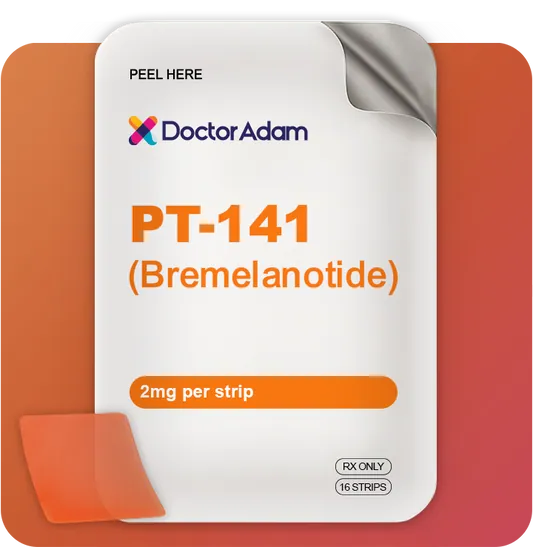
Bremelanotide, which is commonly known as PT-141, is a prescription medication approved for certain premenopausal women who are struggling with low sexual desire. It represents a different approach to treatment than what many people are used to hearing about.
It works differently from medications used for men. While treatments for men often focus on increasing blood flow, PT-141 works in the brain. Specifically, it works on the pathways involved in sexual desire and arousal. This is a very important distinction because it addresses the "engine" of desire rather than just the physical response.
How It Works
PT-141 activates what are called melanocortin receptors. These represent specific areas in the brain that are involved in sexual interest. You can think of it as gently helping to “turn up the signal” for desire that may have become too quiet because of stress, hormones, or other factors. It helps the brain identify and react to the signals of arousal more effectively.
It is helpful to understand what the medication does not do. It does not automatically cause arousal without any context. It does not guarantee an orgasm, and it does not create desire if there is no emotional connection or interest present. Instead, it supports your body’s natural response. It makes the path to desire a little clearer and easier for your brain to follow when the right conditions are met. It is a tool to help your natural systems work a bit more smoothly.
What to Expect With PT-141
How It’s Taken
PT-141 is given as a small injection under the skin. This is very similar to how some people take insulin or other common medications. One of the benefits is that it is used only as needed. You do not have to take it every single day. Typically, it is taken about 45 minutes before you anticipate being intimate.
Many women feel nervous about the idea of an injection at first. This is a very natural reaction. However, the needle used is very small. Most patients find that it becomes much easier with a little bit of practice. Your health professional can show you exactly how to do it in the office so that you feel confident when you are at home. Because it is not a daily pill, it gives you more control over when you use it.
When It Starts Working
Every woman's body is unique, so the response time can vary. Some women notice an improvement the very first time they use the medication. For others, it may take several uses for the brain pathways to begin responding consistently. Clinical studies showed that women using PT-141 experienced an increase in sexual desire and a reduction in the distress they felt about their low libido.
It is normal if you do not respond in the exact same way as someone else. Boosting libido in women is a personal process. The goal is to find what works for your specific biological and emotional makeup. If you do not see immediate results, it does not mean the medication won't work for you; it might just mean your system needs a little more time to adjust to the new signal.
Possible Side Effects
Most side effects associated with PT-141 are mild and do not last long. Being aware of them can help you feel more prepared. The most reported side effect is nausea, which often happens with the very first dose. Many women find that this improves significantly after the first few times they use the medication.
Other common side effects include flushing, which is a feeling of a warm feeling or redness in the face. Some women may experience a mild headache or a slight, temporary increase in blood pressure. Because of this change in blood pressure, your healthcare provider will want to make sure it is safe for you. If you already have uncontrolled high blood pressure or certain heart conditions, this medication might not be the right choice. A provider will always perform a thorough safety assessment before prescribing it to make sure it fits your health profile.
Emotional Considerations
The emotional side of sexual wellness is just as important as the physical side. Many women experience a deep sense of embarrassment when they think about asking for help with their libido. You might feel guilty for not wanting intimacy as much as you think you "should," or you might worry that your partner will take your lack of desire personally.
Some women even feel afraid that they are “broken.” Please know that you are not broken. Desire is a complex mix of biology, psychology, and your daily life experiences. Seeking support for your sexual health is a sign of self-awareness. It shows that you appreciate your well-being and your relationships. It is not a sign of weakness to want to feel like yourself again. Understanding that your feelings are shared by many other women can help you move from a place of self-criticism to a place of interest and care.
Other Ways to Support Libido (With or Without Medication)
PT-141 can be a very helpful medication, but it is not the only option available to you. Many women find that a combination of different approaches works best. Addressing the various factors that influence desire can create a stronger basis for long-term sexual wellness.
Practical, Gentle Steps
There are many small, practical steps you can take to support your libido. Improving your sleep consistency is one of the most effective things you can do. When you are well-rested, your body has more resources to devote to pleasure. Reducing chronic stress whenever possible is also key. This might mean setting better boundaries at work or soliciting more help with household tasks.
Addressing physical comfort is another important step. If you experience vaginal dryness, using high-quality lubricants or moisturizers can make a big difference. This removes the barrier of discomfort and enables you to focus on the connection. It is also helpful to review your current medications with your provider to see if any of them could be contributing to the change in your desire. Finally, valuing emotional connection through non-sexual activities, like taking a walk together or having a deep conversation, can help rebuild the intimacy that supports desire.
Therapy and Counseling
Sometimes, the most helpful step is talking to a professional. Sex therapy or couples counseling can provide a secure environment to explore the emotional side of desire. These professionals can help you and your partner improve your communication so that you both feel heard and understood.
Counseling can also help reduce performance anxiety. Many women feel a lot of pressure to "perform" or feel a certain way, which only creates more stress and further lowers desire. Learning how to rebuild intimacy in a method that feels safe and low-pressure can be life-changing. Many women find that combining these emotional supports with a medical approach like PT-141 provides the most comprehensive and satisfying results.
Preparing for a Conversation With Your Provider
You do not need to have special medical wording to talk to your doctor about your libido. They are trained to help with these issues, and they hear these concerns from patients more often than you might think. You can keep it very clear and simple.
You might say something like, “My sex drive has changed, and it is bothering me,” or “I do not feel desire like I used to, and I would like to explore my options.” These simple statements are enough to start a productive conversation. To help your provider, it is useful to bring a few pieces of information with you. Think about when the change in your desire started and if there were any major life events or medication changes around that time. Be honest about your stress levels and whether the lack of desire is causing you personal distress. This information helps your provider understand the whole picture and suggest the best way forward for you.
What Recovery or Improvement Looks Like
It is helpful to have a realistic and gentle view of what improvement looks like. It does not necessarily mean you will feel exactly like you did when you were twenty. Instead, progress is often about finding a new, healthy pattern that feels good for you now.
Improvement might look such as having a more frequent interest in intimacy or simply feeling less anxiety when the topic of sex comes up. It might mean feeling more connected to your partner or experiencing less frustration about your body's responses. These small shifts matter. They are signs that your system is becoming more balanced. Progress often builds gradually. Each little step you take toward understanding your desire is a success on its own. You deserve to experience a sense of peace and connection with your sexual self.
Final Thoughts
Sexual wellness is a very personal part of your life. While low libido can feel isolating, it is important to remember that it is a common and treatable experience. Whether you choose to focus on lifestyle changes, seek emotional support, explore a medication like PT-141, or use a combination of these approaches, you deserve care that feels considerate and encouraging.
Your journey is special to you. Start with interest about your body and your feelings rather than self-criticism. Know that help is available whenever you feel ready to get in touch for it. You have the right to a life that includes pleasure, connection, and a sense of wellness in every part of your being.
Frequently Asked Questions
Will PT-141 change my personality or emotions?
No, PT-141 does not change your personality. It does not alter your core emotions or who you are. It works specifically on the brain pathways that are involved in desire and arousal. Most women report that they simply feel like themselves again, but with a refreshed and healthy interest in intimacy that had previously appeared muted or difficult to access.
Is it safe long term?
PT-141 is approved for use in women who are appropriate candidates for the medication. Before prescribing it, your healthcare provider will review your complete health history. They will pay close attention to your blood pressure and heart health. During your treatment, they will continue to monitor these variables to confirm the medication is still a safe and effective option for you over the long term.
Can postmenopausal women use PT-141?
PT-141 is currently approved specifically for premenopausal women. While some healthcare providers may discuss using it "off-label" for women who have gone through menopause, that is a decision that requires a very careful and thorough discussion with your doctor. They will look at your certain health needs and the current clinical guidelines to decide if it is a safe and appropriate choice for you.
What if it doesn’t work for me?
That is perfectly okay. Biology is very diverse, and not every treatment is the right fit for every person. If PT-141 does not provide the results you are looking for, there are many other options to explore. This might include a more detailed hormone evaluation, different types of counseling, or trying alternative medications. Your health provider can help you navigate these choices until you find the path that feels right for your body and your life.
Patient Satisfaction
Average rating based on 781 verified readers and consultations.