Semaglutide vs. tirzepatide: which is better for weight loss?

Brenda Peralta, RDN, CDE
Registered Dietitian & Diabetes Educator • Feb 25, 2026 • 12 min read
If you have been contemplating weight loss medications, there’s a good chance that you feel a little confused. With so many options available, it can feel overwhelming knowing which is the best medication for weight loss. Two of the most talked-about options are semaglutide and tirzepatide, so here is how they compare.
Two names stand out: semaglutide (Ozempic or Wegovy) and tirzepatide (Mounjaro or Zepbound).
As a Registered Dietitian, I constantly get asked about these medications.
How do they work? Is one better than the other? Are they the ultimate tool for weight loss?
While no medication offers a magical solution for weight loss, they can be a powerful ally, especially if you’ve already made good lifestyle changes. But determining which is the best option for you can be quite confusing.
Here, I’ll break down the differences and similarities between semaglutide and tirzepatide. You’ll also learn their effectiveness and potential side effects.
However, keep in mind that this article is for educational purposes only. It doesn’t replace medical advice. Always consult with a healthcare professional before starting any new medication.
Key takeaways · Updated October 26, 2026
- Semaglutide mimics one hormone (GLP-1); tirzepatide mimics two (GLP-1 and GIP).
- In trials, people lost about 15% of body weight on semaglutide 2.4 mg and about 20% on the highest tirzepatide dose.
- Side effects are similar: nausea, vomiting, diarrhea, constipation and stomach pain.
- The best choice depends on your health history, tolerance and budget, decided with a licensed provider.
What are semaglutide and tirzepatide?
Semaglutide and tirzepatide are prescription GLP-1 medications that mimic hormones your gut releases after eating. They help you feel full sooner, quiet hunger and regulate blood sugar, which makes it easier to eat fewer calories.
Both medications, semaglutide and tirzepatide, belong to a class of drugs that mimic hormones you naturally produce in your gut. When you eat, your body releases hormones that signal your brain that you are full, and they help regulate your blood sugar levels.
For those with obesity or type 2 diabetes, these signals might not work as efficiently as they should. That’s where these medications can help.
They aren’t just appetite suppressants; they also work on your hunger and satiety. This helps you stay full longer, which makes you eat fewer calories.
How do semaglutide and tirzepatide work?
Semaglutide acts on one hormone, GLP-1, while tirzepatide acts on two, GLP-1 and GIP. Both slow stomach emptying, release insulin when blood sugar is high and reduce cravings; tirzepatide’s dual action adds an extra effect on appetite and metabolism.
The main difference between semaglutide vs. tirzepatide lies in the effect they have on your body.
Semaglutide
Semaglutide mimics the action of GLP-1 (glucagon-like peptide-1). As a result, it has the following effects on the body:
- It stimulates insulin release when your blood sugar levels are high.
- Reduces glucagon secretion, which prevents your liver from producing excess glucose.
- Slows down gastric emptying.
Since your stomach empties more slowly, you feel fuller. It also communicates with the appetite centers in your brain to reduce cravings and prevent grazing.
Tirzepatide
What makes tirzepatide special is its dual action. It acts on two different hormones: GLP-1 and GIP (glucose-dependent insulinotropic polypeptide).
GIP enhances insulin secretion when you eat a meal, supports fat metabolism, and contributes to appetite regulation. And, when you mix GIP with GLP-1, it can create an even more powerful effect on blood sugar control and weight loss.
Is tirzepatide more effective than semaglutide?
On average, yes. In the SURMOUNT-1 trial, people on the highest tirzepatide dose lost about 20% of their body weight, compared with almost 15% on weekly semaglutide 2.4 mg in the STEP trials. Side effects are similar for both.
Effectiveness
Generally speaking, tirzepatide tends to be more effective since it targets two hormones instead of one.
The STEP trials studied people without diabetes who took 2.4 mg of semaglutide weekly. On average, they lost almost 15% of their body weight over 68 weeks.
The SURMOUNT-1 trial participants taking the highest dose (15 mg) of tirzepatide averaged a 20% body weight reduction.
Side effects
Because these drugs work on the gut, the side effects are very similar:
- Nausea
- Vomiting
- Diarrhea
- Constipation
- Stomach pain
While tirzepatide might be “stronger,” some users report slightly better tolerance, which might be because the GIP components help reduce some of the nausea associated with GLP-1.
Administration
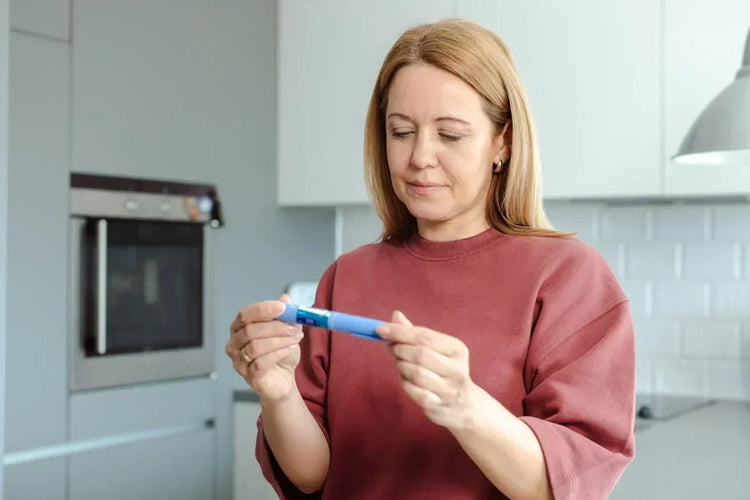
Both medications are delivered through a subcutaneous injection, meaning they are shots under the skin. You get them once a week using a pen device.
You don’t need a medical professional to deliver them. Your doctor will guide you on how semaglutide and tirzepatide injections are administered at home.
Cost and accessibility
Both medications can be quite expensive without insurance. Tirzepatide can cost $1,000 to $1,600 per month. Semaglutide can go from $900-$1,000 (Ozempic) to more than $1,300 to $1,800 per month for Wegovy.
Should you choose semaglutide or tirzepatide?
It depends on your health history, how you tolerate side effects, cost and availability. A licensed provider will also check conditions such as a history of thyroid cancer or pancreatitis before recommending the best option for you.
- Insurance and Cost: Check which option your plan covers.
- Availability: Consider medication supply and demand.
- Tolerance: Your doctor may start with lower doses to monitor sensitivity.
- Health History: History of thyroid cancers or pancreatitis may affect eligibility.
Remember that the decision doesn’t depend on you. It’s best to speak with your doctor to help you pick the best weight loss medication based on your goals and needs.
Which is better for weight loss, semaglutide or tirzepatide?
Tirzepatide usually leads to more weight loss, while semaglutide has a longer track record. Either one works best as a tool combined with healthy eating, regular activity and medical supervision.
Both options offer unique advantages and disadvantages. Semaglutide has a longer track record in the area of medical weight loss, but tirzepatide is coming off as a strong contender for those who want a more aggressive approach.
Do keep in mind that these types of medication are meant to be used as a tool, not a magical cure. The best results you can obtain come when you make healthy lifestyle changes along with the medication.
Frequently asked questions
Semaglutide mimics one hormone (GLP-1), while Tirzepatide mimics two (GLP-1 and GIP), often leading to more significant weight loss results.
Clinical trials generally show that Tirzepatide leads to a higher percentage of body weight reduction compared to Semaglutide due to its dual-action formula.
Both cause similar digestive side effects, but bome users find Tirzepatide easier to tolerate as the GIP component may help reduce nausea.
Yes. Both are prescription medications that require a medical consultation and approval from a healthcare provider.
Article reviewed by
Brenda Peralta, Registered Dietitian Nutritionist (RDN) & Certified Diabetes Educator (CDE). Brenda specializes in sustainable weight loss and metabolic health management through personalized clinical nutrition.
This article is for informational purposes and does not constitute medical advice. Please consult your healthcare professional before starting any weight loss program.