What is Compounded Semaglutide? Safety, Use, and Benefits
Share
What Is Compounded Semaglutide?
"The world of metabolic health is changing fast, and at DoctorAdam, we see more people than ever looking for better ways to manage their weight. Compounded semaglutide has become a very popular choice for many patients, offering a seamless way to reach health goals. This DoctorAdam guide will help you understand compounded semaglutide clearly, covering its safety and proper use. Our goal is to provide reliable, medically-reviewed information for your health journey."
Basics of Compounded Semaglutide
You may have heard of brand names like Ozempic or Wegovy. These drugs use a powerful molecule called semaglutide. Semaglutide is a GLP-1 receptor agonist that mimics a hormone your gut produces after eating. This hormone tells your brain that you are full and satisfied. It also helps your body manage insulin and blood sugar more effectively.
Compounded semaglutide is a custom formulation of the same active ingredient. Licensed pharmacists create this medication in a controlled laboratory setting. They often create these compounded versions when brand-name drugs are in short supply. Compounded medications are prepared by licensed pharmacies for individual patients when medically appropriate. These medications are not FDA-approved but are regulated under U.S. pharmacy compounding rules. It makes sure that patients do not lose access to their care.
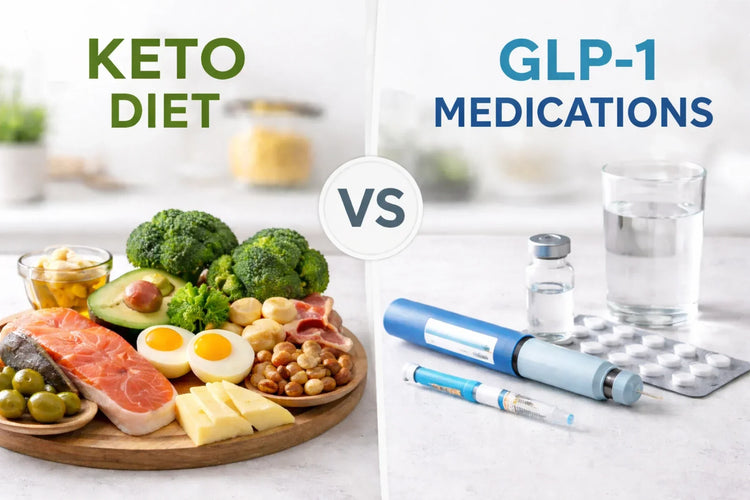
The main difference is often in the packaging. Brand-name drugs usually come in a pre-filled injection pen. Compounded versions typically come in a small, sterile glass vial, and you use a tiny syringe to draw up the dose yourself. This allows for a precise and customizable dosing schedule.
The Science of How It Works
Semaglutide works by targeting specific areas in the human brain. It helps to quiet the constant thoughts about eating food. Many patients call these intrusive thoughts "food noise" in their minds. When this noise stops, making healthy choices becomes much easier. The medication also slows the rate at which your stomach empties. This keeps you feeling full for much longer. It could even reduce the likelihood of some heart-related disorders in certain instances.
Compounded Semaglutide Safety and Regulations
When starting a new medication, safety must be your priority. You must know where your compounded semaglutide is being made. In the United States, compounding pharmacies fall into two main categories: 503A and 503B facilities.
503A Pharmacies
These are traditional pharmacies that serve individual patients directly. They follow strict rules from the State Boards of Pharmacy. Every prescription is made specifically for one person's needs.
503B Outsourcing Facilities
These are larger facilities that can make medication in bulk. They are registered with the FDA and follow higher standards. They must follow the same quality rules as big drug companies.
To ensure the safety of compounded semaglutide, always use a licensed provider. Avoid buying "peptides" from random websites that lack a prescription. Authentic medication must be obtained from a licensed doctor and a pharmacy. This makes sure the ingredients are pure and safe for human use. High-quality compounders test every batch for strength and for bacteria.
Key Benefits of the Compounded Version
There are many reasons why patients choose the compounded semaglutide. For many, it is the most accessible way to begin Here are the top benefits of using compounded semaglutide,
- Cost Savings—Brand-name drugs can cost over $1,300 every month. Compounded versions are often much more affordable for most families.
- Availability—Branded pens are often out of stock at local pharmacies. Compounding pharmacies can usually fill your order without any delay.
- Custom Ingredients—Many pharmacists add B12 injections to the mix. Vitamin B12 supports energy metabolism and may help reduce fatigue for some patients.
- Flexible Dosing—Your doctor can adjust your dose by tiny amounts. This helps your body adjust to the medicine more slowly.
Why Add Vitamin B12 to the Formula?
Many patients experience a dip in energy during weight loss. This is where the addition of B12 injections really helps. Vitamin B12 is essential for your brain and nerve health, as it helps your body turn the food you eat into energy. When combined with semaglutide, it can help reduce common fatigue. It may also help reduce nausea. This makes the entire weight loss process feel much more convenient.
A Step-by-Step Guide to Your Weekly Injection
Self-injection may feel intimidating at first, but most patients find it simple after a few uses. Most patients say it feels like a tiny, quick pinch. Follow these steps to ensure a safe experience.
Step 1—Preparation
Wash your hands with warm water and soap for 20 seconds. Clean a flat surface to set up all your supplies. You will need your vial and a syringe. Don’t forget the alcohol wipes.
Step 2—Checking the Vial
Take your semaglutide vial out of the refrigerator before you start. Check the liquid to make sure it is clear and colorless. Do not use it if it looks cloudy or dirty. Wipe the rubber top of the vial with an alcohol wipe.
Step 3—Drawing the Dose
Pull the syringe plunger back to your dose mark. Push the needle through the rubber top of the vial. Push the air into the vial, then turn it upside down. Slowly pull the plunger back to draw the correct dose.
Step 4—The Injection
Choose an injection site such as the abdomen, thigh, or upper arm. Clean the skin with a fresh alcohol wipe and wait. Pinch the skin and insert the needle at 90 degrees. Push the plunger down slowly until all the medicine is gone.
Step 5—Safe Disposal
Do not put your used needle in the regular trash. Use a red Sharps container or a thick plastic bottle. This keeps your family and trash workers safe.
Managing Potential Side Effects
Most people tolerate semaglutide well, but some side effects can occur. These are usually mild and often subside as your body adjusts. The most common issues are related to the digestive system.
- Nausea—This is the most common side effect for new patients. It usually happens right after you increase your weekly dose.
- Constipation—Because digestion slows down, you must drink more water. Aim for at least eight glasses of water every day.
- Fatigue—Some people feel a bit tired in the first weeks. This is why the B12 injections are so helpful for energy.
To stay comfortable while taking the medication, try eating smaller meals throughout the day rather than large portions. It can also help to avoid greasy or very spicy foods, especially when you are just starting treatment. Pay attention to how your body feels and stop eating once you feel full. These simple habits can help make your experience with the medication easier and more comfortable.
Comparison Table
| Feature | Brand-Name Pen | Compounded Vial |
|---|---|---|
| Active Ingredient | Semaglutide | Semaglutide |
| Cost | High $900–$1,300+ | Low $250–$400 |
| Availability | Often limited | Usually high |
| Custom Dosing | No | Yes |
Common Myths and Facts
| Myth | Fact |
|---|---|
| Compounded drugs are illegal or “fake” versions of medicine. | Compounding is a legal and regulated practice in pharmacy when done by licensed pharmacies. |
| You will gain all the weight back immediately if you stop the medication. | Many people use these medications while building healthier habits. Maintaining those habits can help support long-term weight management. |
| The injections are very painful and difficult to do alone. | The needles are very small and designed for simple use. Most patients find them easy to manage at home after learning the process. |
Is Compounded Semaglutide Right for You?
Deciding to start a new medication is a personal choice. You should discuss your full health history with a healthcare provider. They will review your BMI, current blood sugar levels, and any other medications you are taking to ensure it's safe for you.
People with a personal or family history of medullary thyroid carcinoma (MTC) or Multiple Endocrine Neoplasia syndrome type 2 (MEN2) should not use semaglutide. Your provider will help you weigh the risks and benefits based on your individual profile. For many, the opportunity to improve their metabolic health can be life-changing, leading to more energy and a longer, healthier life.
Your Path to a Healthier Life
Taking control of your weight is an important step toward better health. Compounded semaglutide can be a helpful tool for people who want medical support during their weight-loss journey. When you work with a licensed provider and a trusted pharmacy, you can feel more confident about your treatment.
Many digital health platforms, including Doctor Adam, now allow patients to speak with licensed medical professionals online and receive guidance from home. This makes it easier for people to access care without visiting a clinic in person.
Be patient with yourself during the first few weeks. Your body needs time to adjust. Try to stay hydrated and eat balanced meals with enough protein. Also, keep moving your body regularly.
With consistency and the right support, many people can improve their health and work toward a healthier weight.
This information is for educational purposes only and is not a substitute for professional medical advice. Always consult a qualified healthcare provider before starting any new medication or treatment.