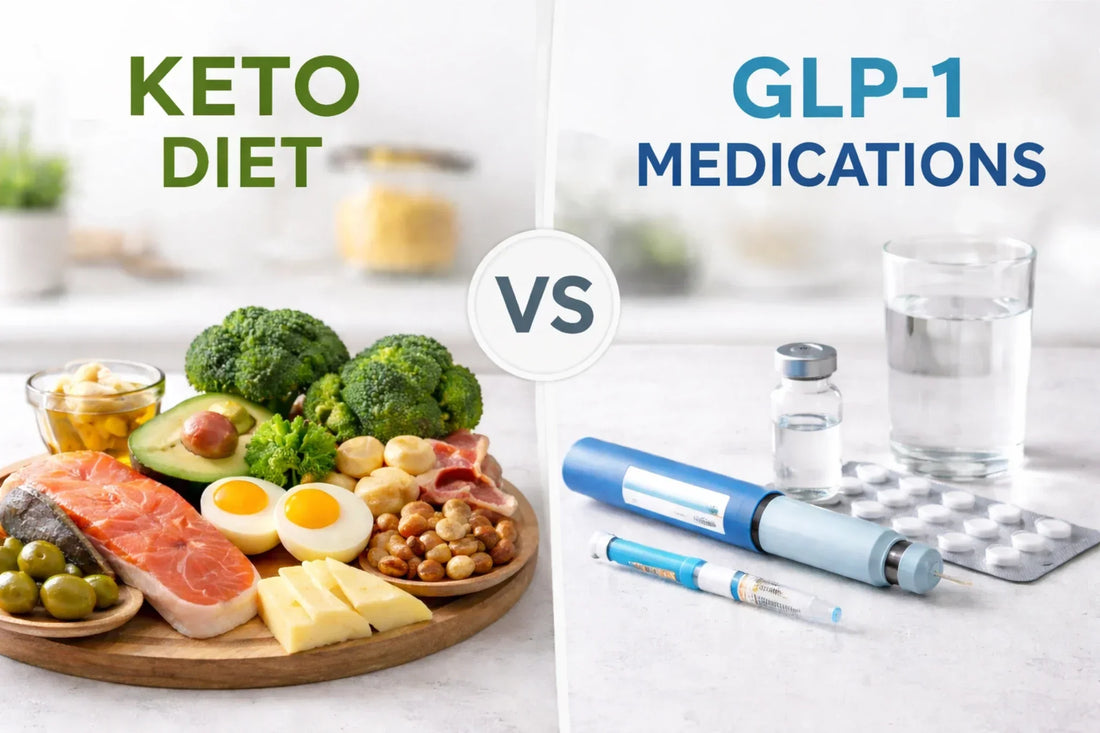
Can You Combine Keto with GLP-1 Weight Loss Medications?

Brenda Peralta, RDN, CDE
Registered Dietitian & Diabetes Educator • April 8, 2026 • 10 min read
The Keto Diet and GLP-1 Medications: Your Complete Guide
Are you looking to maximize your results on GLP-1 medication? You might be considering different nutrition approaches, one of them being keto. With its unique fat-burning properties, a keto meal plan might be a great way to accelerate your results.
However, combining a highly specific dietary protocol with powerful weight loss medication does require careful consideration. Here, we are going to explain how the keto diet and GLP-1 medications work together, the potential benefits, the risks, and how to safely do this combination.
What is the Keto Diet?
The ketogenic, or keto diet, is a high-fat, moderate-protein, and very low-carbohydrate eating plan. By drastically reducing your carbohydrate intake, usually under 50 grams per day, the body enters a metabolic state called ketosis.
During ketosis, your body stops relying on glucose from carbohydrates as energy. Instead, your liver converts fat into ketones, which become your primary energy source. This change forces your body to burn stored fat.
That is why people following a keto diet often experienced rapid weight loss during the first couple of weeks, better energy levels, and improved mental clarity.
Using GLP-1 Medications for Weight Loss
GLP-1 (glucagon-like peptide-1) medications were initially used to treat type 2 diabetes. However, doctors started noticing a common side effect: weight loss.
These medications work by mimicking a natural hormone that targets areas of the brain responsible for regulating appetite and food intake. They slow down gastric emptying, meaning food stays longer in your stomach, making you feel fuller for hours.
Consequently, this increased fullness can help you reach a caloric deficit (eating fewer calories than the body needs), making it easier to achieve weight loss.
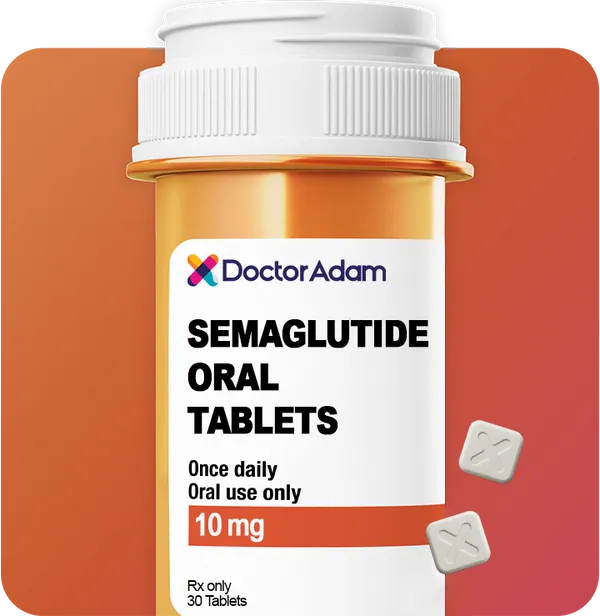
That is why options like semaglutide or tirzepatide have become a great option for those looking to lose weight. At Doctor Adam, we offer these treatments through a simple telehealth platform. That way, you don’t have to leave your home, and you receive the medications in the comfort of your home.
The Science Behind Combining Keto and GLP-1
Combining the keto diet with GLP-1 medication merges two very distinct metabolic pathways. The keto diet physically shifts the type of fuel your body burns. On the other hand, the GLP-1 medication alters your hormonal signaling to reduce hunger.
When you restrict carbohydrates on keto, your blood sugar and insulin levels naturally drop. GLP-1 medication also has an effect on your blood sugar levels by stimulating insulin release when your sugar levels rise.
So, when you use both options at the same time, this creates a powerful environment for fat loss. Your body burns stored fat for fuel due to ketosis, while the medications make sure you comfortably stay in a caloric deficit without having to constantly fight your hunger.
Potential Benefits of the Combination
Using GLP-1 medications along with a keto lifestyle can offer several benefits. Here are some of the benefits you might experience when combining them:
- Accelerated Weight Loss: Since GLP-1 medications significantly reduce your appetite, it’s easier to stick to a strict macronutrient diet, such as keto. This means you are less likely to experience the intense carbohydrate cravings that often derail those starting the keto diet.
- Better Blood Sugar Control: Both strategies can help create more stable blood glucose levels. The keto diet removes the carbohydrates that cause blood sugar spikes. And, the GLP-1 medication enhances how your body responds to insulin (the hormone in charge of regulating blood sugar levels). So, this powerful combination might be a good strategy for those struggling with metabolic syndrome.
- Reduced Food Noise: Many people struggle with constant thoughts about their next meal. GLP-1 medications quiet this “food noise.” When you pair it with a highly satisfying meal plan like keto, you might find that you completely lose this noise, taking control of your cravings and hunger.
Potential Risks and Side Effects
While there are several benefits to the combination of the keto diet and GLP-1 medications, merging these does require caution. Since both the keto diet and GLP-1 medications have significant side effects, combining them can exacerbate these issues.
- Gastrointestinal Problems: GLP-1 medications are known to cause nausea, constipation, and diarrhea. The keto diet might also cause digestive problems. So, eating a heavy, fat-focused meal while taking the medication that slows digestion can severely worsen nausea and heartburn.
- Risk of Hypoglycemia: Since both options can affect blood sugar levels, they can increase the risk of hypoglycemia (low blood sugar levels). Some common signs of hypoglycemia include dizziness, confusion, sweating, and fainting. If you notice any of these symptoms, make sure you speak with your healthcare provider as soon as possible.
- Muscle Loss: Rapid weight loss can increase the risk of muscle loss. Since GLP-1 medications heavily suppress appetite, it can make it more challenging to eat enough calories. And, if you don’t reach your protein intake, this may cause more muscle to break down.
Who Should Consider This Combination?
This combined approach is not for everyone. It works best for those with severe insulin resistance or those who have hit a frustrating weight loss plateau on GLP-1 medications alone. It may also suit those who have experience with a keto diet and understand how their body responds to a low-carbohydrate diet plan.
If you have a history of disordered eating, severe gastrointestinal issues, or kidney problems, combining a restrictive diet with weight loss medication might be harmful.
Practical Tips for Combining Keto and GLP-1
Now, if you decide to go down this path, you must prioritize your daily nutrition and habits to minimize the side effects. Here are some tips to help you get the best of this combination:
- Prioritize Lean Proteins: To prevent muscle loss, make sure you are hitting your daily protein intake. Focus on easily digestible proteins like chicken, turkey, fish, cheese, and eggs.
- Manage Your Fat Intake: Try to eat just enough fats to keep your energy levels stable. Include options like avocados, olive oil, and nuts to help you stay in ketosis without overwhelming your digestive system.
- Stay Hydrated and Replenish Electrolytes: The keto diet flushes water and essential minerals in your body, especially in the first week. GLP-1 medications can also reduce your thirst drive. Make sure you actively drink water throughout the day and consider an electrolyte supplement to prevent headaches, fatigue, and muscle cramps.
Talking with Your Healthcare Provider
Remember that you should never mix prescription weight loss medications and restrictive diets without medical supervision. Your doctor needs to monitor your blood work, kidney function, and overall progress to ensure your safety.
At Doctor Adam, our US-licensed clinicians can make this process easier. Through our online assessment, our medical team reviews your health goals to create a personalized, doctor-approved weight loss plan. We provide transparent care, flat monthly pricing, and ongoing support to help you go through this treatment.
The Bottom Line
Combining the ketogenic diet with GLP-1 weight loss medication can be a powerful approach to help you lose those extra pounds. By addressing both the metabolic fuel your body uses and the hormonal signals that drive your hunger, you can achieve significant results.
However, you must carefully balance your nutrient intake to avoid compounding side effects like nausea and muscle loss.
Sustainable weight loss requires a plan tailored to your goals and needs. If you are ready to explore medical weight loss options, take the first step with professional guidance. Complete our 2-minute lifestyle quiz today, and let your licensed medical experts build a safe, effective treatment plan delivered directly to your door.
Article Reviewed By: Brenda Peralta, Registered Dietitian Nutritionist (RDN) & Certified Diabetes Educoguzator (CDE)