Feel Younger After 40: 6 Ways to Support Energy and Healthy Aging
6 Ways to Feel Younger After 40

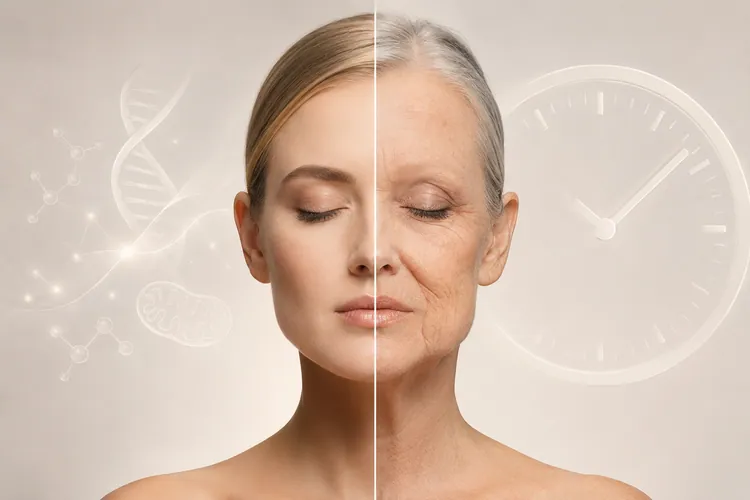
If you've started to notice that you don't quite seem to bounce back from a workout the way that you used to, or that your energy tends to fade earlier in the day, you're in good company. For many, to start to feel younger after 40 is only possible after they understand what's actually changing inside their body, because the tiredness, the slower recovery, and the general feeling of running on empty usually aren't just "in your head." They're connected to some real, measurable shifts in your hormones, your muscle mass, and the way that your cells produce energy.
If you've started to notice that you don't quite seem to bounce back from a workout the way that you used to, or that your energy tends to fade earlier in the day, you're in good company. For many, to start to feel younger after 40 is only possible after they understand what's actually changing inside their body, because the tiredness, the slower recovery, and the general feeling of running on empty usually aren't just "in your head." They're connected to some real, measurable shifts in your hormones, your muscle mass, and the way that your cells produce energy.
The good news is that these changes don’t have to be a life sentence. There’s a lot that you can do (starting today!) to feel younger after 40 and to give your energy, your recovery, and your long-term health a boost, all at the same time. That's exactly why the team at DoctorAdam put together this guide. We wanted to look into what's really happening in your body after 40, and give you six easy, evidence-based ways to feel stronger, sharper, and more like yourself again.
Why Your Body Starts to Feel Different After 40
In order to understand how to feel younger after 40, it helps to first understand why your body starts to feel a bit different in the first place. A few major systems start to change a bit at this stage of life, and they all tend to happen at the same time, which is part of why these changes can feel so noticeable.
- Hormones start to decline gradually. Testosterone is the main hormone that’s responsible for muscle, energy, and drive in men, and it naturally begins declining by about 1% to 2% per year starting around age 30. That may not sound like much, but it can really add up. By age 50, most men have lost roughly 20% to 30% of their peak testosterone levels, and many don't even realize it because the decline happens so gradually that it's easy to mistake it for just getting older.
- Muscle mass naturally decreases. Starting in your 30s, your body begins to lose muscle mass at a rate of about 3% to 5% per decade, in a process that doctors call sarcopenia. Less muscle means a slower metabolism, less strength, and a body that simply has less capacity to recover from physical stress, whether that's from a tough workout or just a long day on your feet.
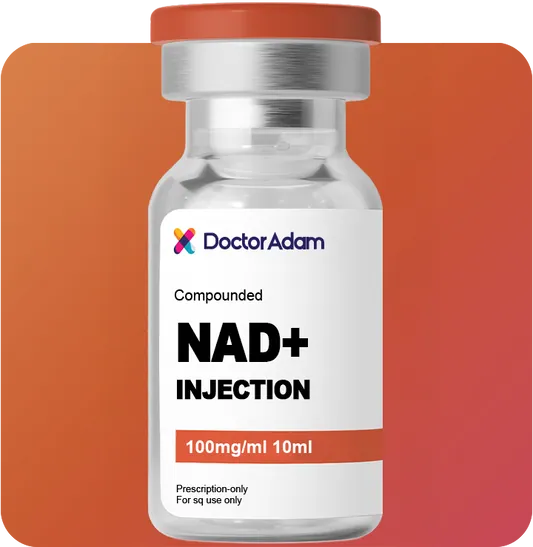
- Cellular energy production slows down. Every cell in your body relies on a molecule called NAD+ (nicotinamide adenine dinucleotide) in order to convert food into usable energy inside your mitochondria, which are essentially the tiny power plants inside your cells. NAD+ levels naturally start to decline with age, and lower NAD+ availability means that your cells have less fuel to work with, which can lead to things like fatigue, brain fog, and slower recovery.
None of these changes happen in isolation. Lower testosterone makes it harder to build and hold onto muscle. Less muscle makes your metabolism less efficient. And declining cellular energy affects everything from your workouts to your workday. When you look at the full picture, it becomes a lot clearer why so many men in their 40s and beyond are looking for real, proven ways to feel younger after 40.
Explore Longevity & Energy Support
Explore provider-guided options for cellular energy, recovery, vitality, and healthy aging goals.
6 Ways to Feel Younger After 40
The great news here is that none of these changes are entirely out of your control. Below are six ways that are backed by research and that can help you feel younger after 40, one simple habit at a time.
1. Make Strength Training Non-Negotiable
Since muscle loss after 40 is one of the biggest contributors of low energy and slower recovery, resistance training is one of the best tools that you have at your disposal. Lifting weights, using resistance bands, or even doing bodyweight exercises like squats and push-ups tell your body that it needs to keep and build muscle rather than let it go.
And the best part about this is that you don't need to spend hours in the gym in order to start seeing results. Two to three strength-training sessions a week that are focused on the body’s major muscle groups, is enough for most men to start seeing some very real improvements in strength, energy, and body composition within just a couple of months. Strength training also improves insulin sensitivity and encourages healthier testosterone levels, so the benefits go well beyond just building extra muscle.
2. Support Your Body's Cellular Energy Production
Because NAD+ and cellular energy are so closely connected, giving your body the raw materials it needs to keep that system running like a well-oiled machine can make a big difference in how you feel on a daily basis. Think of your mitochondria like tiny engines that need the right fuel in order to run properly, and that fuel becomes harder to come by as your NAD+ levels decline with age.
Regular exercise, a diet that’s rich in nutrients, and getting enough sleep each night all help support your body's natural NAD+ production. Some men also work with their provider to explore NAD+ support, which is specifically designed to help boost your cellular energy production as part of an overall plan for healthy aging.
3. Prioritize Recovery and Sleep
It’s no secret that recovery after exercise over 40 simply takes longer than it did when you were in your 20s, and trying to push through that without giving your body what it needs can leave you feeling run down instead of stronger. Most of your body's repair work, including muscle recovery and hormone production, happens during deep sleep. If you're consistently getting less than seven hours a night, your body doesn't have the time that it needs in order to fully rest and recover.
Building in rest days between hard workouts, stretching or doing light mobility work, and treating sleep as a priority rather than an afterthought are all excellent ways to give your body the recovery time that it needs in order to wake up feeling strong.
4. Fuel Your Body With the Right Nutrition
What you eat has a direct effect on your energy, your hormones, and how well your body recovers as well. Getting enough protein is especially important after 40, since your body becomes slightly less efficient at using protein to build muscle as you start to age, which means that you may need more of it than you did when you were younger in order to maintain the muscle that you have.
A diet that's rich in lean protein, healthy fats, and fiber-rich vegetables, while limiting added sugar and highly processed foods, encourages stable blood sugar, healthy testosterone levels, and lower levels of inflammation. All of these things play a role in how energized you feel and how well your body bounces back from physical activity.
5. Manage Stress and Cortisol
Chronic stress keeps your cortisol levels elevated, and elevated cortisol can suppress testosterone, lead to disrupted sleep, and encourage your body to store extra fat, especially around the midsection. Over time, this creates a cycle that makes it harder to feel younger after 40, since poor sleep and low energy tend to make stress feel even more difficult to manage than it already is.
Finding consistent ways to manage stress, whether that's through exercise, mindfulness, spending time outdoors, or just building more downtime into your schedule, can help protect your hormones and give your energy levels a much-needed boost.
6. Get Your Hormones Checked
Lifestyle habits go a long way, but for a lot of people, hormone changes in men over 40 are significant enough that lifestyle changes alone aren't quite enough to make a meaningful difference. Low testosterone symptoms, like constant fatigue, low motivation, reduced strength, and a lower sex drive, are important to talk to a doctor about rather than just accepting them as "just a part of getting older."
A simple blood test can show you where your hormone levels actually stand, and from there, a licensed provider can help you understand whether medical support, like men's sexual wellness treatment or other options through DoctorAdam's longevity programs, could be a helpful part of your overall plan.
Small, Consistent Habits Add Up
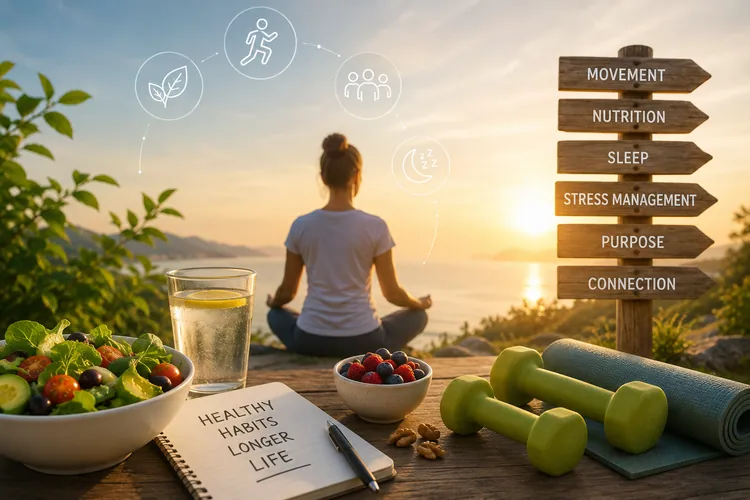
Unfortunately, there isn't one single thing that you can do in order to feel younger after 40. It really all comes down to finding the right combination of habits that work together, like building and protecting your muscle, supporting your cellular energy, prioritizing recovery, eating well, managing stress, and keeping an eye on your hormone levels. When you address all of these different areas at once, most men start to notice significant improvements in their energy, their strength, and their overall sense of well-being within just a few weeks to a couple of months.
At DoctorAdam, we provide physician-guided care through convenient telehealth consultations, so that you can get a good picture of what's going on with your hormones and your health, along with a plan that's been created around your specific goals.
If you're ready to feel younger after 40 and take a proactive approach to your energy, recovery, and long-term health, we're here to help. Book a consultation with DoctorAdam to learn more about your options.
Frequently Asked Questions
Is it normal to feel more tired after 40?
To some degree, yes. Declining testosterone, gradual muscle loss, and lower cellular energy production (NAD+ and cellular energy are closely linked) all contribute to feeling more tired than you did in your 20s or 30s. That said, persistent fatigue is also worth mentioning to a doctor, since it can sometimes point to low testosterone or another underlying issue that's treatable.
Can you really feel younger after 40?
In many ways, yes. While you can't reverse the calendar, you can absolutely improve how you feel by boosting your muscle mass, your hormones, and your energy production through strength training, better sleep, good nutrition, and medical support when it's needed. Many men report feeling stronger and more energized in their 40s and 50s than they did in their 30s once they start making these simple changes.
What are the signs of low testosterone in men over 40?
Some of the most common signs of low testosterone in men over 40 include persistent fatigue, reduced muscle strength, difficulty losing fat, low sex drive, and changes in mood or motivation. Because these symptoms also overlap with normal aging, a blood test is the most reliable way to know for sure whether testosterone is playing a role.
How can I speed up recovery after exercise over 40?
To speed up recovery after exercise over 40 getting seven to nine hours of quality sleep, eating enough protein, staying hydrated, and building rest days into your training schedule are some of the best ways to encourage recovery after exercise over 40. Managing stress and supporting healthy hormone levels also play an important role in how quickly your body bounces back.
What is NAD+ and why does it matter for aging?
NAD+ is a molecule that every cell in your body needs in order to convert food into usable energy. Because NAD+ and cellular energy are so closely connected, and because NAD+ levels naturally decline with age, supporting this system through lifestyle habits, and in some cases through medical support, is often considered one of the more promising areas of research in healthy aging for men.
Shelby Leith
Medical Writer • Registered Pharmacy Technician • Diabetes Education SpecialistShelby Leith is an experienced medical writer with deep roots in pharmacy and a real passion for helping people gain a deeper understanding of their health. With over 26 years as a Registered Pharmacy Technician and specialized training in diabetes education, she knows how to strike a balance between clinical accuracy and what actually has an impact on everyday life. Shelby also brings firsthand insight into diet, nutrition, supplementation, and performance through her experience as a two-time amateur bodybuilding competitor.