Is your body aging faster? 7 signs to watch

Medically reviewed by
Brenda Peralta, RDN, CDEYou wake up, and before you’ve had your cup of coffee, your knees, back, and part of your body didn’t existed start aching. Each day that passes, a new ailment shows up. But when you talk to your friends, it’s not the same for them. They wake with an incredible energy and stamina you envy.
You wake up, and before you’ve had your cup of coffee, your knees, back, and part of your body didn’t existed start aching. Each day that passes, a new ailment shows up. But when you talk to your friends, it’s not the same for them. They wake with an incredible energy and stamina you envy.
Two people can be the same age on paper and have entirely different experiences within their bodies. One runs a marathon every year while the other struggles climbing a flight of stairs.
And, the gap between those two realities isn’t always good luck or genetics. As Dr. David Sinclair says: “There’s a big difference between your birthdays and your biological age, and only the latter can be changed.”
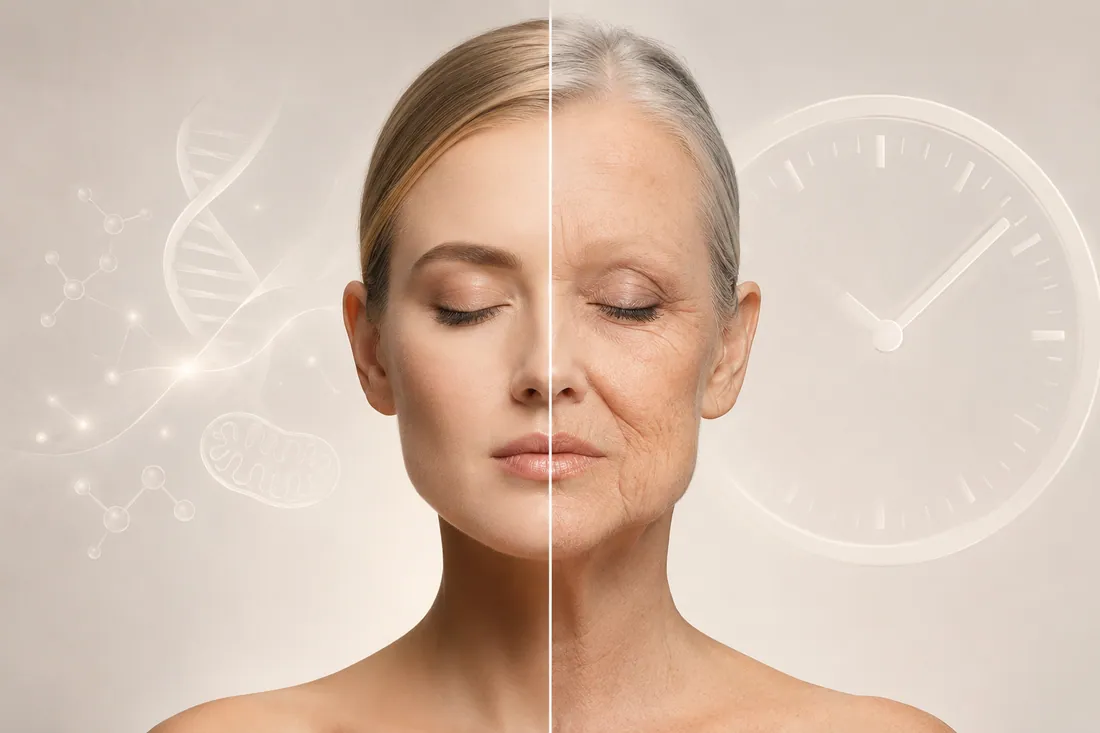
Biological age is how well your cells, organs, and systems work together. Unlike chronological age, it’s not fixed. In fact, a 2023 study found that 8 weeks of targeted lifestyle changes (diet, exercise, stress reduction, and better sleep) reduced participants’ biological age by more than 4 years on an epigenetic clock.
Catching the signs early will be crucial to help you make the necessary changes. Here, we'll go over 7 signs your body may be aging faster than it should, and what you can do about it.
Key takeaways · Updated October 26, 2026
- Persistent fatigue, stiff joints and brain fog can signal faster biological aging.
- Skin changes, slow recovery, frequent illness and mood shifts are other warning signs.
- Inflammation, poor sleep, stress and declining cellular energy drive these changes.
- None are inevitable; consistent habits and medical support can slow them.
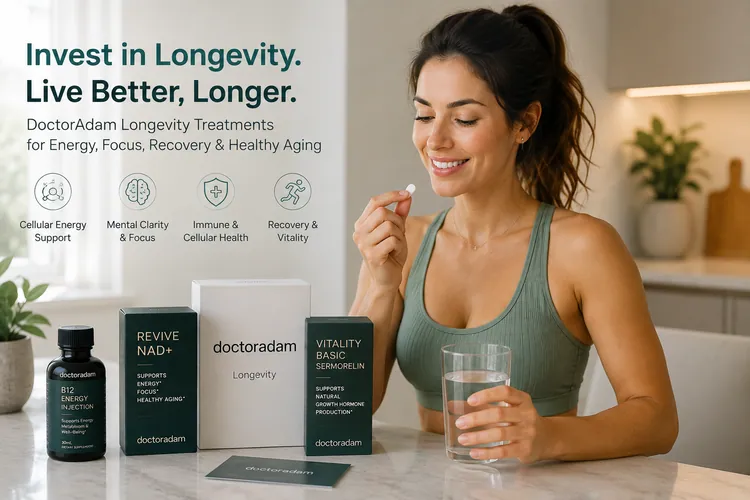
Explore personalized longevity treatments
Support healthy aging, energy, focus, recovery, and long-term wellness with provider-guided options available through DoctorAdam.
1. Is constant tiredness a sign of aging faster?
It can be. Feeling exhausted despite 7–8 hours of sleep is often an early sign of declining mitochondria, the energy-producing parts of your cells.
Feeling tired after a late night is normal. However, feeling exhausted despite getting 7-8 hours of sleep is an entirely different issue.
Chronic fatigue is often one of the earliest signs of mitochondrial dysfunction. Mitochondria are the energy-producing structures that are inside your cells. Research also links mitochondrial decline directly to lower energy production and accelerated biological aging.
The problem is that when your cellular powerhouses underperform, it can lead to slower thinking, reduced motivation, and a persistent heaviness that rest just doesn’t fix.
Prioritize sleep quality over quantity, eat a nutrient-dense diet, and reduce chronic stressors to support mitochondrial health.
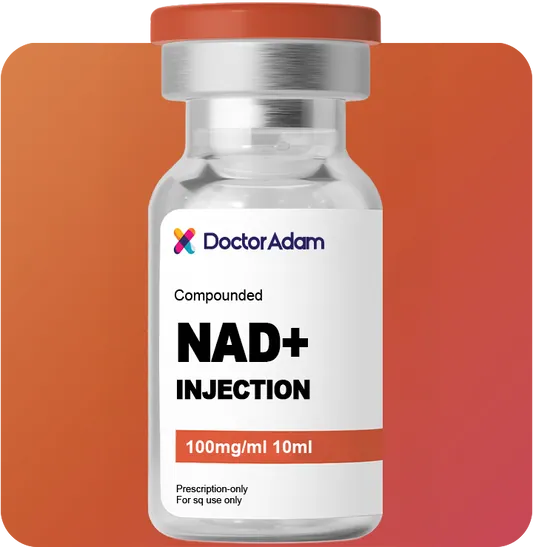
If your energy levels feel singificanlty lower, and lifestyle changes alone haven’t helped, targeted longevity support (like NAD+ supplementation) might be worth exploring. Doctor Adam offers Revive NAD+ in tablet, injectable, and nasal spray forms, which are designed to potentially support cellular energy production.
2. Do stiff joints mean your body is aging?
Often, yes. Inflammation, collagen breakdown and less joint fluid cause stiffness, and chronic low-grade inflammation speeds these changes.
Waking up stiff, struggling to crouch, or making a sound every time you get up from the couch because everything hurts are common signs that your connective tissues and joint health might need attention.
Joints take a long-term toll from inflammation, collagen degradation, and reduced synovial fluid production. These changes accelerate when chronic low-grade inflammation goes unaddressed. Studies show chronic inflammation is one of the biggest drivers of accelerated biological aging, affecting joints and other parts of the body.
Consistent movement is one of the best ways to support joint health. Sedentary patterns cause muscle loss and put greater stress on joints, while regular and structured exercise can help preserve the tissue that keeps you moving freely.
3. Is brain fog a sign of aging?
It can be an early sign of declining brain health, driven by poor sleep, chronic stress and inflammation, but it is not something you simply have to accept.
If you are struggling to concentrate, forgetting why you walked into a room, or feeling like your thinking is slower than it used to be, these aren't things you have to accept because of “old age.” Cognitive fog can be an early sign of declining brain health.
The brain is particularly sensitive to the same drivers of biological aging: poor sleep, chronic stress, and systemic inflammation. Cortisol (the stress hormone) is especially damaging when it runs high for a long time.
To help you manage cognitive fog, make sure you are doing the basics: consistent, high-quality sleep; managing daily stressors; and nutrition that supports brain health, by including omega-3 fatty acids, B vitamins, and antioxidant-rich foods.
4. What do skin changes say about aging?
Dryness, lost elasticity and uneven tone can reflect cellular aging throughout the body, accelerated by UV exposure, stress, smoking and a poor diet.
Skin changes, such as dryness, elasticity loss, uneven tones, or texture shifts, can all be signs of what’s happening at a cellular level throughout your entire body. UV exposure can damage your DNA and accelerate skin aging. Additionally, other factors like chronic stress, smoking, and a poor diet can all accelerate internal aging.
Now, this isn’t just about applying some lotion on your skin; it’s about how you can support your health inside out. Good hydration, antioxidant-rich foods, and nutrients that support collagen production (like vitamin C and zinc) can help improve skin health long-term.
5. Why does recovery take longer as you age?
As the body ages biologically, cellular repair and protein synthesis slow and inflammation lasts longer, so soreness can linger for days.
There’s a big difference between normal post-workout soreness and the kind that lingers for days, affecting your next workout session. Extended recovery after physical activity is a key biomarker for biological aging.
As the body ages biologically, cellular repair becomes less efficient. Protein synthesis slows, inflammation takes longer to go away, and the hormonal signals that drive muscle recovery lose some of their potency. So, those workouts that once felt manageable now feel like a much bigger struggle.
Make sure you are getting enough protein, quality sleep, and structured recovery practices, including active recovery sessions and stress management.
6. Why do you get sick more often as you age?
Immune function gradually declines with age, a process called immunosenescence, so you may catch illnesses more often and recover more slowly.
You’ve probably noticed that now that you get sick, it takes you twice as long for you to recover, or you might be getting sick more frequently.
Immunosenescence, the gradual decline of immune function with age, is well known. Research shows that both the innate and adaptive arms of the immune system show functional decline over time.
The problem is that a weakened immune system doesn’t just mean getting more colds. It also means a reduced capacity to detect and fight a wide range of threats, including cellular damage associated with long-term disease risk.
Sleep, stress management, a gut-friendly diet, and regular exercise all help support immune function. In fact, the gut’s microbiome accounts for 70% of our immune system, which is why it’s important to keep it strong and healthy.
7. Can aging affect your mood?
Yes. Hormonal changes affect dopamine, cortisol and sleep, which can show up as irritability, anxiety or less resilience to stress.
Increased irritability, a shorter emotional fuse, creeping anxiety, or a reduced ability to bounce back from stress aren’t just psychological concerns. They are also physiological ones.
Hormonal changes that come with biological aging affect everything from dopamine regulation to cortisol response and sleep architecture. When these systems are out of balance, emotional resilience suffers. Research shows that loneliness and social isolation carry comparable health risks to smoking, which accelerates biological aging through multiple pathways.
Addressing mood and resilience means looking at the full picture. Strategies include stress-management practices, consistent social connection, adequate sleep, and nutrition that supports hormonal balance.
Can you slow down biological aging?
Yes. These signs are not inevitable; managing inflammation, supporting cellular health and making consistent lifestyle choices can keep your body younger than your birthday.
None of the 7 signs above are inevitable. They signal that your body needs attention before it becomes harder to address. Our guide on how men can live longer covers the habits with the strongest evidence.
Longevity isn’t about extreme interventions or obsessing over every biomarker. At its core, it’s about managing inflammation, supporting cellular health, and making consistent choices that keep your body younger than your birthday.
Dr. Adam’s longevity supplement stacks are there to support healthier aging by targeting core aspects of cellular and metabolic health. They can help optimize energy production, reduce inflammation, and protect against oxidative stress.
Take a free 2-minute health quiz at Doctor Adam to get started with your personalized plan today.
Brenda Peralta, RDN, CDE
Brenda Peralta is a Registered Dietitian Nutritionist and Certified Diabetes Educator