Biological Age vs. Chronological Age: Understanding Healthy Aging | DoctorAdam
Biological Age vs. Chronological Age: What Healthy Aging Really Means
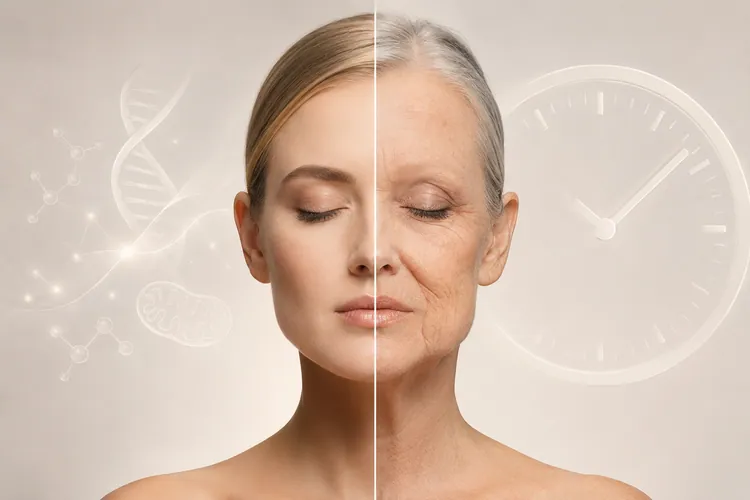
Chronological age is simple, which is defined by a journal published in Healthcare as the time elapsed after your birth. Simply put, it is the number of birthdays you’ve had. Biological age, on the other hand, is different. Defined by the same journal, biological age is the measurement of how well your body actually works, from your heart and lungs to your muscles and brain. In other words, it is conditioned by various factors like genes, lifestyle, environment, and presence of absence of any underlying medical condition. Two people can be born in the same year but they can have very different biological ages, and that gap often comes down to daily habits.
Chronological age is simple, which is defined by a journal published in Healthcare as the time elapsed after your birth. Simply put, it is the number of birthdays you’ve had. Biological age, on the other hand, is different. Defined by the same journal, biological age is the measurement of how well your body actually works, from your heart and lungs to your muscles and brain. In other words, it is conditioned by various factors like genes, lifestyle, environment, and presence of absence of any underlying medical condition. Two people can be born in the same year but they can have very different biological ages, and that gap often comes down to daily habits.
No one can stop time, but you have more control than you might think over how your body feels and functions as the years pass. Small, consistent choices around food, movement, sleep, and mood. Here we examine those connections closely.
Many people feel older than their actual age, worry about developing chronic diseases, or simply want enough stamina to keep up with work, family, and hobbies. These are common concerns, and they are valid. Healthy aging is not defined by perfection or reversing time. Your goal is to improve your quality of life, one habit at a time, so you feel good in the body you have now and in the coming years. At Doctor Adam, we customize our approach to patients by understanding their exact needs at the time they need them. We help people understand the workings of their body in a straightforward and direct manner.
What Is Biological Age?
As mentioned earlier in the definition, chronological age is a fixed number. It tells anyone how many years have passed since you were born. And, more importantly, it never changes course. Biological age, in contrast, is more like a snapshot or overview of your body’s overall condition. It reflects the wear and tear on your cells, tissues, organs, and systems based on the genetics that were passed on, the condition of the environment, and even your own lifestyle.
This is why two 50-year-olds can look and feel completely different from each other. One might run five kilometers on the weekend and rarely get sick. The other might feel winded after a flight of stairs and deal with frequent fatigue. At any rate, both are 50 years old by calendar, but their bodies are aging at their own pacing.
Now why does biological age matter? It is because it has a direct connection on how you experience your own daily life. It influences your energy levels, your physical strength, and even how easily you move on a daily basis. It also influences your brain health and memory, your heart health, and how quickly you bounce back when you fall ill or are injured.
Perhaps, most importantly, biological age plays a role in independence later in life. Because people with lower biological age relative to their years often maintain the ability to live on their own, manage their own care, and stay engage in the activities they love far longer than someone with a higher biological age.
However, you have to note that biological age is not fixed the way chronological age is. It could sway on either direction depending on how well you treat your body over time. In fact, according to the Center of Bioethics in Harvard Medical School, there is no fixed consensus as to how we measure biological age. What’s legally recognized is the chronological age even when a 70-year-old man has a biological age of 50 or vice versa.
The flexibility of biological age is actually good news. It means small improvements you do consistently can shift your biological age in a healthier direction. Nonetheless, it is equally important to note that there is no amount of dramatic changes can shift its direction overnight. There has to be a steady, realistic adjustments because these tend to matter more than any single dramatic effort.
What Affects Your Biological Age?
According to Developmental Biology 6th edition, there are various factors that affect or causes aging. It can be oxidative stress, the general wear-and-tear and genetic instability, and many more. However, the main question is how can we influence these things if they are eventually bound to happen?
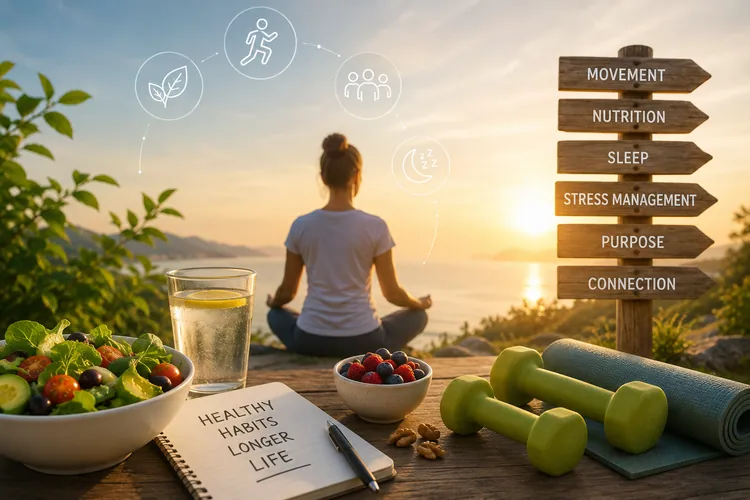
Simply, lifestyle habits, including the following:
-
Nutrition
Food is the biggest lever you have over your biological age. Eating healthy means a balanced diet, not overeating on any group of food, which we learned many decades ago like go, grow, and glow.
-
Physical activity
Movement and intentional exercise keep your muscles, bones, heart, and brain functioning well. A simple, regular walking carries real benefits for cardiovascular health. Strength training helps preserve muscle mass, while flexibility and balance exercises reduces the risk of falls and keeps your joints comfortable.
-
Sleep
Quality sleep gives your body time to repair itself. During deep sleep, tissues rebuild, hormones rebalance, and the brain clears out waste products accumulated during the day. Poor sleep, on the other hand, has been associated to faster aging according to Columbia University Irving Medical Center.
-
Stress management
Stress is always present, or so they say, and long-term stress keeps your body in a heightened state. Thus, raising hormones like cortisol, which contributes to inflammation over time. This wear adds up and can accelerate biological aging. If you practice stress management, it goes without saying that you minimize its effect on your body.
How Do We Measure Biological Age?
The answer is we can’t, exactly. Like mentioned previously, there is no consensus, not one that’s fixed that really measures biological age. In fact, in Ageing Research Reviews, it was stated that most experts agree that biological aging cannot be measured by one metric alone because of its multidimensional and heterogeneous nature.
Nonetheless, researchers use several tools to make a close estimate. Blood tests can measure markers linked to inflammation, cholesterol, blood sugar, and other biomarkers. Physical fitness measurements, such as grip strength or how quickly you can walk a set distance, can offer clues about muscle and cardiovascular health.
All of these things just provide “clues” rather than providing certainty. A single metric can help in the snapshot but it requires long-term observation of patterns and trends to be more meaningful. If your markers are improving year after year, then that’s a good sign, regardless of the estimated number attached to it.
Common Myths About Aging
Getting Older Always Means Poor Health
This is simply not true for most people. Many adults remain active, healthy, and independent well through later decades. Poor health is not an automatic part of aging. Rather, it is the result of unmanaged risk factors that can be addressed at any age.
It’s Too Late to Improve My Health
It is rarely too late. Like mentioned, there is no fixed number attached to biological aging. Therefore, it is never too late to make any changes. In fact, studies show that people who adopt healthier habits later in life even after 60 or 70 may still see improvements in heart health, strength, and their overall well-being.
Supplements Can Reverse Aging
Many products are marketed to claim that they can reverse aging, but the evidence behind most anti-aging supplements remains limited. Some supplements support specific functions particularly when a person has genuine deficiency (e.g., iron supplementation in iron deficiency anemia), but no pill replaces the basics. A healthy lifestyle, built on food, movement, sleep, and stress management, provides the fundamental foundation for long-term health.
Feeling Tired Is Just Part of Aging
Persistent fatigue should not automatically be blamed on getting older. It can signal underlying issues like poor sleep quality, low iron levels, thyroid problems, or unmanaged stress. If tiredness lingers despite good lifestyle habits, it is worth bringing this up with your doctor rather than accepting that it is an inevitable part of aging.
At Doctor Adam, we value each person who comes to us. We do counseling for the most basic part of wellness and guide you through what you can do to improve your health.
Frequently Asked Questions
Can my biological age become younger?
Healthy lifestyle changes or habits can improve the markers used to estimate biological age, such as blood pressure and fitness levels. Aging itself cannot be reversed in as much as time cannot be reversed, but you can slow its progress so that your body will show lesser signs of wear.
How long does it take to notice improvements?
Better sleep, energy, or fitness cannot be seen right after a dramatic shift. It can improve within few weeks of consistency in your daily habits. It requires time and it is helpful that you maintain realistic expectations rather than concluding that it failed. Larger health benefits, like reduced disease risk, are likely to develop over months or even years while sustaining the effort.
Are expensive biological age tests necessary?
No, not necessarily. Most people do not need specialized testing to improve their health. Focusing on proven habits, good food, regular movement, quality sleep, and stress management, are likely to give you more value than getting expensive testing kits.

Medically Reviewed by Jaclyn P. Leyson-Azuela, RMT, MD, MPH
Jaclyn P. Leyson-Azuela, RMT, MD, MPH, is a physician, medical writer, and researcher with a strong background in public health, clinical medicine, and academic instruction. She has served as an Assistant Professor teaching core medical sciences, a Doctor-to-the-Barrio delivering frontline care in underserved communities, and a COVID-19 facility manager during the pandemic.