How Today’s Medical Weight Loss Treatments Really Work

Lose 20 pounds overnight! Melt away belly fat instantly! Try this one weight loss trick for instant success! You’ve probably seen these headlines everywhere lately. They’re on magazine covers at the grocery store, they pop up on social media while you’re scrolling, and they make weight loss sound simple…almost effortless, right? And if you’ve tried to lose weight and have failed before, it can feel really frustrating and discouraging, like there’s something wrong with you and your body.
But here’s the truth that rarely makes the headlines. If weight loss were just about eating less and moving more, most people wouldn’t struggle so much…and yet, so many people do. That’s because weight loss resistance is very real, and it’s biological. Your body is specifically designed to protect stored energy, also known as fat. When you cut back on calories, your metabolism slows down, your hunger hormones rise, and your body pushes back - no matter how hard you try and push against it. That isn’t a lack of discipline, it’s physiology.
This is where science completely changes the conversation. We now understand how your metabolism works, how your hormones influence things like hunger and fullness, and why lifestyle changes alone don’t always lead to the long-lasting results that we desire. This understanding has opened the door to medical weight loss which is now a modern, and very supportive option for many people.
At DoctorAdam, we believe that education should come first, before anything else . That means explaining what’s really happening inside your body, why past attempts at weight loss may not have worked the way you expected, and how today’s medical tools can provide extra support to what nutrition and exercise sometimes can’t do on their own. We created this guide to try and cut through all of the noise that’s out there, and help you understand what science actually says about weight loss, without any of the shame, without the self-doubt, without unnecessary hype, and without unrealistic (and often unsafe) promises.
Why Weight Loss Is Harder Than It Looks
If you’ve ever tried to lose weight and have felt like your body was fighting against you every step of the way, you’re not imagining it. That’s exactly what your body is doing…and it’s doing it on purpose. This is one of the biggest reasons that people turn to medical weight loss, because no matter how motivated or disciplined you are, your biology will often push back harder than your willpower can hold up.
Here’s what’s actually going on. When you start to lose weight, your body notices the drop in energy stores and responds with something called adaptive thermogenesis. That’s a big, fancy term for how your body slows down your metabolism when it thinks that you’re experiencing a shortage. It means that you burn fewer calories doing the exact same things you were doing before. It’s your body’s way of trying to conserve stored energy (AKA fat)…even though you’re trying to lose it.
There’s also something called the set-point theory. This is the idea that your body has a specific weight range that it naturally wants to stick to. When you go below that range, your hunger hormones go up, your energy levels drop, and your metabolism slows down. That’s why plateaus happen. That’s also why you can regain weight pretty quickly, even when you’re doing “everything right.”
Knowing how your metabolism works helps to explain why lifestyle changes sometimes just aren’t enough to see significant results. It doesn’t mean that you’ve failed. It simply means that your body is doing exactly what it was designed to do.
Hormones and Their Role in Weight Gain
When people think about weight gain, their minds almost immediately go to food and exercise, but your hormones are doing a lot of work behind the scenes. They’re sending signals to your brain and your body to control hunger, cravings, energy use, and even where your body stores fat.
There are three main hormones that are always at play: insulin, leptin, and ghrelin. Insulin helps your body properly process sugar. But when your insulin levels are too high for too long (like when you are insulin resistant), it becomes a lot harder to burn fat. That means your body holds onto weight even when you’re eating less.
Leptin is a hormone that is supposed to tell your brain when you’re full. Ghrelin tells your brain that you’re hungry. When those two hormones get out of balance (especially during weight loss or stress) your hunger and fullness signals stop working the way that they should. That can make you feel hungry all the time, even after eating a full meal.
Then there’s cortisol…the famous stress hormone. High cortisol levels make your body store fat, especially around the belly. It’s your body’s way of “preparing” for a threat (like famine or hard times), but since this rarely happens in this day and age, it ends up working against you and your weight loss goals.
This is why hormones and weight loss are very deeply connected, and why it’s not just about how strong your willpower is. At DoctorAdam, we look at the full picture. Our medical weight loss programs are designed to support your biology - not fight against it - so that you can finally feel like your body is working with you instead of against you.
Why Nutrition and Exercise Are Still Important
I think it’s important to pause for a moment now, and make something very clear - no matter how advanced medical weight loss treatments get, food and movement still matter. Medical weight loss works best when it’s paired with the basics like eating well and staying active. Now, we’re not talking about cutting everything out or working out for hours a day. We’re simply talking about quality over restriction.
What you eat affects how your body processes energy. When you focus on eating whole foods that encourage better blood sugar stability (like lean protein, fiber-rich vegetables, and healthy fats) you’re helping your body stay balanced. This is going to help reduce cravings, manage your insulin levels, and keep your energy smooth and steady throughout the day.
Exercise also gives your metabolism a boost. It helps your body properly use its stored energy, it builds muscle, and it improves insulin sensitivity. That means your body becomes more efficient at burning calories and controlling your blood sugar. And this goes beyond just burning fat…it all comes down to making your entire system more responsive.
But here’s the thing to keep in mind - sometimes nutrition and exercise alone simply aren’t enough. If your hormones are out of balance, or if your metabolism has slowed down after years of dieting, your body may still resist weight loss. That’s why a lot of people need some extra support.
At DoctorAdam, we use medical weight loss techniques to work with your biology, not against it. And when you combine the right treatment with healthy habits, that’s when results are more likely to be steady, manageable, and long term. That’s what we mean when we talk about sustainable weight loss - it’s something that your body can actually maintain for the long run, without needing any extreme rules or leading to burnout.
Why Medical Weight Loss Works When Other Methods Don’t
For years, weight loss was treated like it was a personal issue instead of a medical one. People were told that they needed to try harder, eat less, cut out all of their favorite foods, or work out more, without anyone ever looking into what was really going on inside their bodies. But we now know that obesity is a very complex medical condition. It involves hormones, brain chemistry, metabolism, and even how your body stores and protects fat.
That’s why modern medical weight loss program options started to emerge. The goal was not just to reduce the amount of calories consumed, but to also support the systems in your body that control appetite, fullness, energy use, and long-term weight regulation. We’ve moved away from outdated stimulant-based drugs and crash diets. Today, medical weight loss is focused on medications that actually target the biological pathways that are involved in weight gain and weight retention.
This shift first started when scientists discovered GLP-1 receptors. These are specific signals in your body that help regulate your hunger cues and blood sugar levels. When medications were developed to activate those receptors, they started helping people lose weight in a way that felt a bit more natural, and more sustainable. This is what led to GLP-1 weight loss treatments like semaglutide and tirzepatide.
At DoctorAdam, we use these new tools within a personalized and supervised care plan. That means every weight loss medication we prescribe is reviewed, adjusted, and monitored by a licensed provider who understands your goals, your body, and your long-term health.
How Semaglutide Changes the Way Your Body Manages Hunger
Semaglutide is one of the most talked-about breakthroughs in medical weight loss, and there’s a very good reason for that. It’s a GLP-1 receptor agonist, which means it mimics a hormone your body already makes that helps control appetite and blood sugar. So instead of forcing weight loss, semaglutide helps your body shift into a mode where losing weight feels more natural and less like a constant battle.
One of the biggest things semaglutide does is reduce your appetite. It sends signals to your brain that you’re full faster and this feeling lasts longer. That means you feel satisfied after eating less, and you’re not constantly thinking about food in between meals.
It also slows down the digestion process, so that food stays in your stomach longer. This helps regulate your blood sugar levels, prevents spikes and crashes, and reduces cravings. A lot of people describe this as finally being able to get relief from “food noise” or the nonstop mental chatter that many of us have about eating.
This is part of the reason why semaglutide weight loss results have been so promising. People aren’t only eating less, they’re feeling less driven to overeat in the first place.
How Tirzepatide Uses Dual Hormones to Help You Lose Weight
Tirzepatide is part of a new generation of medical weight loss medications, and what makes it stand out is that it works through two different hormone pathways, and not just one. That’s what we mean when we say “dual-action.” It activates hem both GLP-1 and GIP receptors in the body, which are hormones that help regulate blood sugar and appetite.
GLP-1 helps your brain feel full sooner and stay full longer, while GIP improves how your body actually responds to insulin. When both are working together, they help lower blood sugar, reduce hunger, and increase your body’s fat-burning signals. That means you’re not just eating less…you’re feeling less driven to eat in the first place.
This dual effect can be especially helpful for those people who’ve struggled with insulin resistance, slow metabolism, or weight regain after dieting. Tirzepatide weight loss results in clinical trials have shown more significant weight reduction than with previous medications, with many patients losing 15 percent or more of their body weight over time.
At DoctorAdam, we include tirzepatide as part of our guided treatment plans when it’s the right fit for your body and your goals. Just like everything else we offer, it’s always reviewed and supervised by a licensed provider.
Injectable vs Tablet Weight Loss Options
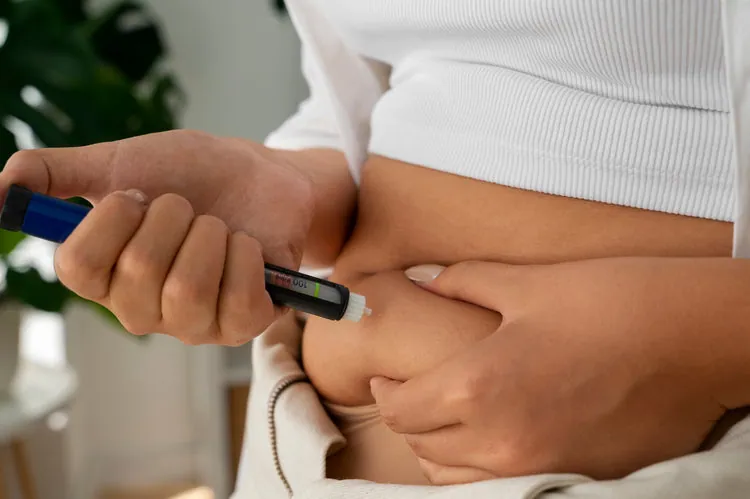
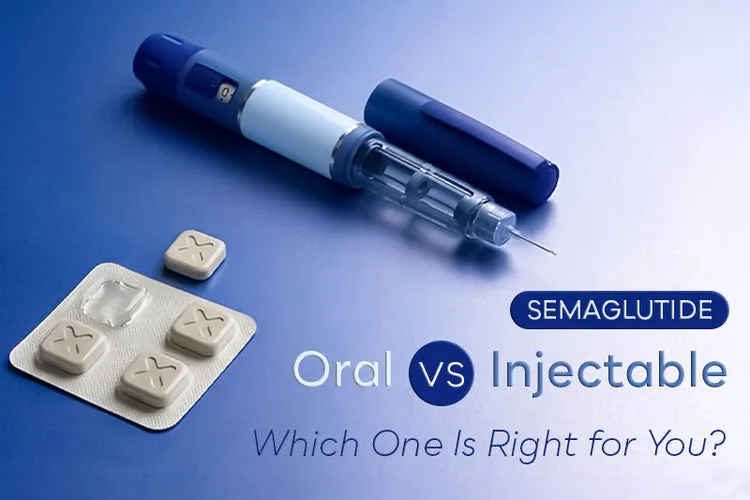
When it comes to choosing a weight loss medication, one of the biggest decisions is whether to go with a weekly injection or a daily tablet. Both options are specially designed to help you regulate your appetite, improve your blood sugar control, and encourage long-term weight loss, but they each work a little differently based on how they’re absorbed and how they fit into your routine.
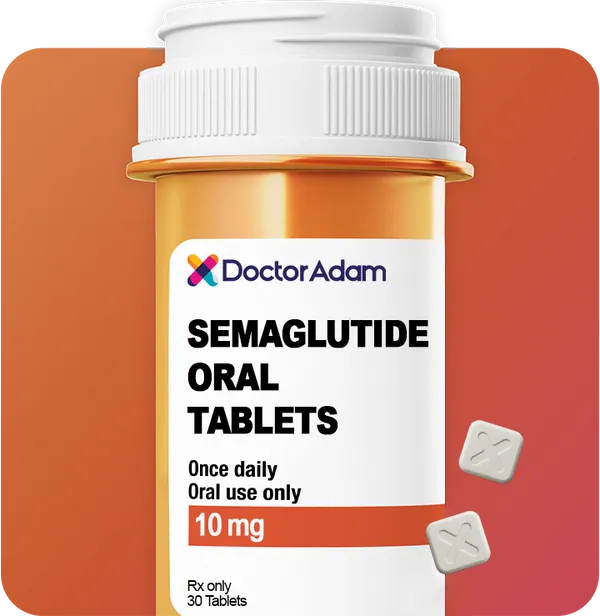
Weekly injections are taken just once a week and deliver a steady dose of the medication throughout the entire seven days. They tend to be more consistent in how they’re absorbed by the body, and that means fewer ups and downs throughout the week. Daily tablets, on the other hand, are very convenient for people who don’t want to deal with needles and who prefer something that they can take each morning as part of their routine.
At DoctorAdam, we offer both injectable and oral weight loss options, so you can choose what works best for your lifestyle. Some people like the set-it-and-forget-it approach of injections, while other people feel more in control when taking a daily pill.
Who Benefits Most From Medical Weight Loss
Medical weight loss isn’t just for one type of person. It’s for anyone who’s been doing all the right things (like eating better and moving more) and still feels stuck. That’s often a clear sign that something more is going on inside the body, and that’s exactly where a medical weight loss program can help.
If you’ve struggled with weight regain after dieting, or if your metabolism seems slower than it used to be, there may be hormonal or metabolic resistance at play. That means your body is working hard to hold onto weight, even when you’re doing everything you can possibly do to lose it.
Medical weight loss is also a good fit for people that are dealing with weight changes caused by things like menopause, PCOS, insulin resistance, or thyroid issues. These aren’t problems you can just push through...they’re biological, and they often need medical tools and professional assistance in order to help correct the imbalance.
Frequently Asked Questions
What is the easiest way to lose weight?
The easiest way to lose weight is the one that works with your body, not against it. That means focusing on appetite, metabolism, and hormones…and not just willpower alone. For many people, a medically guided plan is the most realistic and effective starting point.
How do I drop 20 pounds fast?
Fast weight loss might sound appealing, but it's rarely long-lasting. With medical guidance, you can safely lose weight at a steady pace (usually 1 to 2 pounds per week) while protecting your metabolism. That’s what helps you keep it off for the long term.
How to lose tummy fat?
Stomach fat is linked to stress hormones and insulin resistance. So targeting belly fat means balancing hormones, improving insulin sensitivity, and reducing inflammation. This is where semaglutide weight loss and other GLP-1 medications can help by regulating your appetite and blood sugar.
Do you regain weight after stopping Ozempic?
You can regain weight after stopping Ozempic if the root causes of weight gain (like appetite signals or insulin resistance) aren’t properly addressed. That’s why we pair medications with sustainable habits and monitoring. With the right plan, it’s definitely possible to keep the weight off.
What is the safest weight loss drug?
The safest options are ones that are clinically tested, FDA approved, and prescribed by a medical provider. Both semaglutide weight loss and tirzepatide weight loss treatments have been well studied and are shown to be safe when used as directed.
Is it healthy to take drugs for weight loss?
When prescribed for the right reasons and supervised properly, yes. These medications aren’t shortcuts, they’re tools that treat the biological systems making weight loss harder than it should be.
Does Ozempic need a prescription?
Yes, Ozempic (and other GLP-1 medications) require a prescription from a licensed medical provider.
How can I get a prescription for weight loss drugs?
You’ll need to complete a medical evaluation. At DoctorAdam, we make that easy with a virtual consultation and personalized care plan. If medication is a good fit for you, we’ll walk you through everything step by step.
Forget the Fads and Stick To What Actually Works
Now that we actually understand the science behind weight gain, metabolism, and hunger hormones, it’s a little bit easier to laugh at those wild and crazy headlines that we see are constantly bombarded with. The detox teas, the crash diets, the before-and-after photos that promise a new body by the weekend…they don’t hold up when you know what’s really going on inside your body.
Real weight loss isn’t about hacks, gimmicks, or quick-fixes. It’s all about biology, behavior, and medicine working together in perfect harmony, and when your body has been fighting against you for years, you deserve the tools that actually work with it. That’s what medical weight loss is here to do.
At DoctorAdam, we’re here to make this process feel a whole lot easier, safer, and much more doable. We start with science, we stay focused on what’s real and proven, and we always tailor the care that we provide to you and your unique body.