Tirzepatide vs Semaglutide — Side Effects, Risks, and Safety Comparison
Share
Tirzepatide vs Semaglutide — Side Effects, Risks, and Safety Comparison
During the last decade, the discussion on obesity has shifted quickly. It has evolved from being viewed as one's lifestyle to being perceived as a disease, mainly because of the introduction of incretin-based drugs. Today, two of the most prescribed options are tirzepatide and semaglutide, and understanding their side effects, risks and safety helps you choose with confidence.
The main question that is to be discussed here is: "What drug gives the better result without compromising the patient's health?"
It is necessary to emphasize that global health organizations pay attention to this problem, and recently, the WHO published recommendations on the use of GLP‑1 weight-loss medicines, which highlight the relevance of this new sphere.
How They Work — One Hormone versus Two
To understand their safety and effectiveness, it is important to consider how these drugs function hormonally. These drugs belong to the same class but produce diverse results due to their hormones. In general, these are classified as incretin mimetics since they stimulate digestive and insulin hormones.
The Role of Semaglutide
Another drug that falls into this category and has gained widespread recognition is Semaglutide. This drug has been branded as Ozempic and Wegovy. This drug is an artificial form of the hormone glucagon-like peptide-1 secreted by the digestive system.
It has served as a fundamental treatment for diabetes management for over a decade, communicating satiety, slowing down digestion, and increasing insulin sensitivity.
The Dual-Action Approach of Tirzepatide
Tirzepatide (Mounjaro, Zepbound) acts as a dual agonist since it stimulates both GLP-1 and GIP receptors, which are gut hormones.
Scientists have found that GIP is involved in the metabolism of fats, reducing nausea caused by GLP-1 drugs.
Compared to other treatments, this drug leads to higher weight loss. However, doctors need to watch out for how the patients react to changes in their hormonal makeup. The distinction between Tirzepatide and Semaglutide rests here.
Evidence from the Major Clinical Trials
The safety information for these treatments comes from extensive clinical research, including the STEP program for Semaglutide and the SURMOUNT trials for Tirzepatide.
Comparing Weight Loss Results
The head-to-head SURMOUNT-5 study shows that the dual-hormone treatment approach helped in reducing 20% of body weight compared to the single-hormone treatment that led to 15% weight loss.
Recent data show that Tirzepatide users achieve their desired treatment results much more quickly than Semaglutide users.
Why Starting Slow Matters
It is important to note that the severity of side effects mainly depends on how quickly one increases their dosage; it has little to do with what medicine a person takes. Gradually increasing the dosage helps the body adjust and become comfortable with the medicine.
Managing Stomach and Digestion Issues
One of the main challenges for patients on either treatment is the adjustment period for their stomach and gut. Since these drugs affect how the body digests food, the first effects are on the gastrointestinal system. Choosing between Tirzepatide and Semaglutide usually involves consideration of which digestive complications the patient can tolerate better.
Dealing with Nausea
Nausea appears most often among users of both medications. As per clinical studies, approximately 25 to 44% of people reported having symptoms of nausea. It seems that the action of the GIP pathway through which Tirzepatide operates might work as a balancing factor.
It could be attributed to the fact that the method through which Tirzepatide affects the "nausea center" in the brain is somewhat different than just acting through the GLP-1 pathway.
Changes in Bathroom Habits
Constipation usually occurs as a result of slower digestion, since there is more time for water absorption. But some people suffer from diarrhea owing to hormonal changes that occur during the onset of treatment.
It has been noted from the clinical study that people taking one-hormone treatment suffered from diarrhea in relatively larger numbers. In contrast, the two-hormone treatment causes the patients to be constipated once the maximum dosage is achieved.
Heartburn and Reflux
The reflux occurs due to the relaxation of the sphincter at the junction of the esophagus and stomach while the food remains in the stomach for a prolonged period.
These include taking smaller, but more frequent meals, avoiding fatty meals before bedtime, and keeping one's body upright following the food intake.
New Ways Patients Access Care
This high level of demand has brought to light certain flaws in the traditional medical system, leading to the creation of a new set of leaders that view access as a logistics issue rather than purely a health matter.
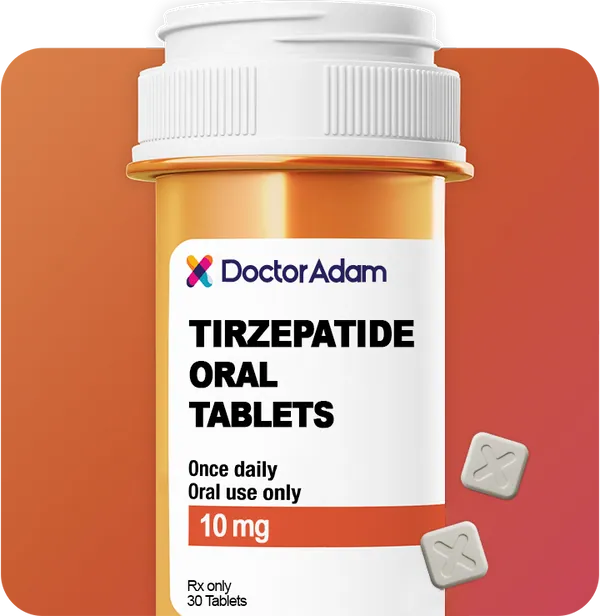
Selman Akinci, a former M&A attorney, has launched his new venture named Doctor Adam, which uses the telemedicine approach to enhance healthcare by eliminating intermediaries. This model connects patients directly with licensed physicians and regulated pharmacies.
Quality and Safety in Compounded Medication
A shortage of branded pens forced many patients to opt for compounded drugs, but the safety of such drugs depends solely on the competence of the pharmacy.
The FDA has issued warnings concerning the potential hazards of using unapproved GLP-1 drugs for weight reduction. Individuals who cannot choose between Tirzepatide and Semaglutide need to get the drug first before making the decision.
Dealing with Drug Shortages
The actual safety of medications requires the development of customized drugs through the implementation of strict regulations found in 503A and 503B pharmacies. The pharmacies function as a bridge, connecting people who need medications but face supply chain interruptions.
Understanding Pharmacy Standards
Pharmacies that fall under 503A operate under the state's regulation in the process of distributing prescription medications. Pharmacies that operate under 503B follow the regulations imposed by the Federal Government.
Doctor Adam establishes its telemedicine platform through partnerships with trustworthy pharmacies to protect against potential dangers linked to unauthorized drug use.
The Mental Shift: Silencing Cravings
Silencing the "food noise" is one of the most influential results of the medication. It refers to continuous preoccupation with food thoughts and cravings.
This effect works through the influence of each of these medicines on the brain centers responsible for reward. The impulse to have a snack is weakened, and patients feel mentally relieved from all the tension associated with eating, which is no less important than the bodily relief from losing weight.
However, medical oversight remains crucial. The doctors must monitor mood or emotional changes for better assessment.
Maintaining Strength and Muscle Health
Muscle retention is beneficial for your health. Rapid weight loss can lead to an individual shedding muscle due to insufficient protein and calories.
Ways to Prevent Muscle Loss
Patients must regulate their protein consumption by taking 1.2 to 1.5 grams of protein for each kilogram of their body weight. These routines decrease fat but not muscles.
Physical activities assist muscles in consuming more calories. This helps an individual lose weight. An expert nutritionist's advice will guide you in controlling your diet.
Staying Healthy for the Long Term
Doctors recommend maintaining an appropriate "maintenance dose" without constantly pushing for higher dosages. This approach protects muscle mass, keeping the patient physically fit.
Important Risks and Safety Warnings
Though minor discomforts can generally be managed, serious complications must be known to all users.
Organ Health and Staying Hydrated
Pancreatitis is a rare form of serious pancreas inflammation. There are also some rare cases of kidney problems, usually resulting from dehydration due to stomach irritation.
Maintaining adequate hydration is one of the main safety precautions for preventing any kidney problems. By listening to your body, you can avoid any rare complications.
A Note on Thyroid Safety
These two therapies come with a warning concerning the development of thyroid tumors in animals. While this has not been confirmed among humans, it is essential to undergo testing if one has a specific family history.
Those with previous cases of thyroid cancer are advised against undergoing this treatment. A thorough consultation is the only way to verify if these therapies are safe for your specific health profile.
Which Treatment Suits You?
Weight loss goals, tolerance for adverse effects, and budget influence your final choice.
The dual-hormone option suits type 2 diabetes patients and those aiming for substantial weight loss. Whereas the single-hormone option is ideal for those with a sensitive stomach.
Standardizing the Future of Patient Care
Metabolic medicine is a revolutionary development in contemporary healthcare systems. The effectiveness of these treatments lies in focusing on the hormonal origins of food cravings. It opens up an entirely new horizon for individuals who have been fighting the battle of weight loss for several years.
This breakthrough represents a blend of healthcare technologies and digitalization. Thanks to the foresight of leaders like Selman Akinci, the sector will continue to develop safely and innovatively.
What's emerging is not just a new class of therapies, but a new infrastructure for delivering care. It empowers patients to reclaim their future, replacing old obstacles with a sustainable plan for long-term health.