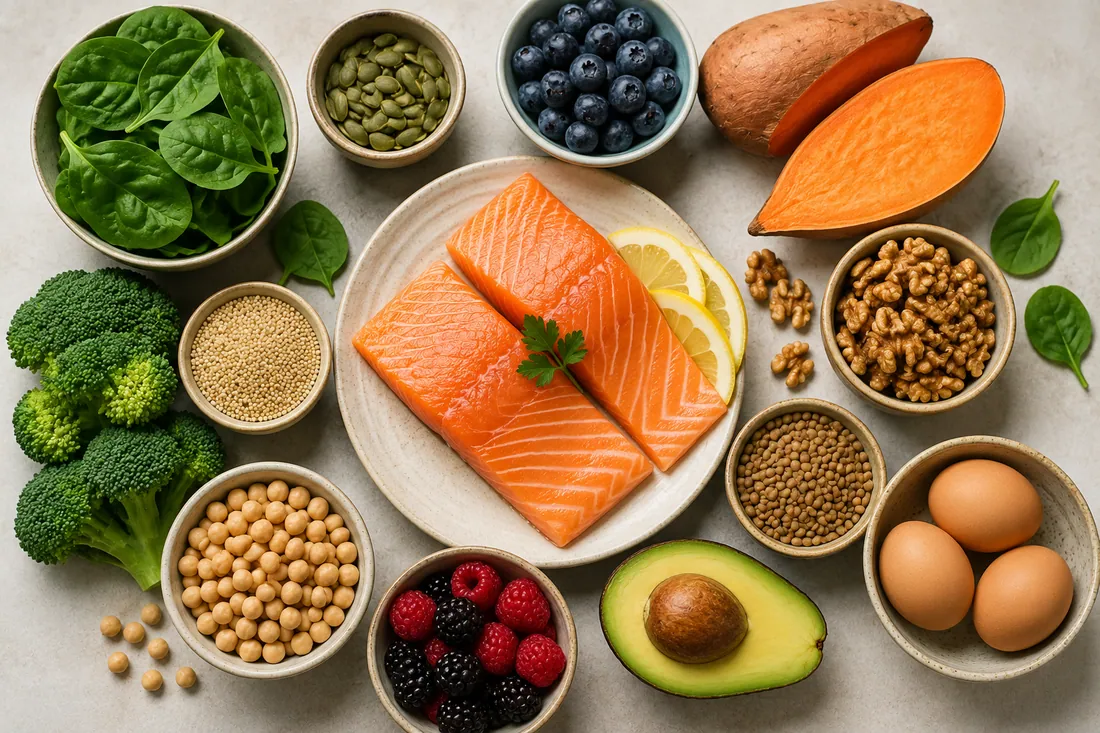
7 Foods for Hair Growth: What Actually Works

Your shampoo, conditioner, and hair masks might be doing all the heavy lifting. However, you are still noticing that your hairbrush is full of hair each time you pass it through your hair. The good news is that the right foods for hair growth can support stronger, healthier strands from the inside out.
Your shampoo, conditioner, and hair masks might be doing all the heavy lifting. However, you are still noticing that your hairbrush is full of hair each time you pass it through your hair.
While there are several reasons you might be experiencing hair loss, one of the most important is your current diet. No matter if you are using the best shampoos or hair products, if your diet isn’t supporting hair growth from the inside, you’re only solving half of the problem.
What you eat has a direct impact on the health of your hair follicles, the strength of each strand, and even how fast your hair grows. Yet most people never think about their diet when they notice thinning hair or slow hair growth.
There are certain foods that are packed with nutrients that directly fuel the hair growth cycle, protect follicles from damage, and support the scalp environment your hair needs to thrive.
Here, we are going to break down 7 of the best foods you can add to help support hair growth. What’s in them, why they work, and how to add them into your daily routine.
Salmon
Salmon is one of the richest dietary sources of omega-3 fatty acids, particularly DHA and EPA, which might help nourish the scalp and support healthy hair follicles. A well-hydrated, well-nourished scalp is the foundation for strong hair growth, and omega-3s help maintain that healthy environment by reducing inflammation.
But beyond its omega-3 content, salmon also has a good amount of high-quality protein. Since hair strands are made almost entirely of protein (called keratin), a consistently low protein intake can push hair follicles into a resting phase, slowing growth and increasing shedding.
Salmon also contains vitamin D, which may play an important role in the creation of new hair follicles, and several B vitamins that support energy production throughout the scalp.
Aim for 2-3 servings of salmon per week. You can add it, baked or grilled, to your salads for a protein boost.
Explore DoctorAdam Hair Loss Treatments
Nutrition can support healthy hair, but persistent shedding or thinning may require a personalized clinical approach.
Eggs
Eggs provide all essential amino acids, making them one of the best complete protein sources available. For hair, this matters because the body needs amino acids to synthesize keratin effectively.
Additionally, they are among the top dietary sources of biotin, a B vitamin closely associated with hair health. Biotin might help support keratin production and help strengthen individual hair strands, making them less prone to breakage. However, the research is still ongoing.
Another nutrient you can find in eggs that’s worth mentioning is choline. Choline supports cell membrane integrity and has been linked to healthy hair follicle function.
And the plus side is that eggs are fairly easy to incorporate. You can have them scrambled, poached, hard-boiled, and folded into an omelet.
Spinach
Spinach, or other leafy greens, are good sources of iron. Iron helps red blood cells carry oxygen to hair follicles, and without adequate oxygen, follicles can weaken, and hair can begin to shed. In fact, studies have shown that iron-deficiency anemia is one of the most documented nutritional causes of hair loss, especially in women.
Another important nutrient spinach provides is folate, which might play an important role in red blood cell production and DNA synthesis. Add to that vitamin A, which might help stimulate sebum production to keep the scalp naturally moisturized.
You can try adding some spinach to your morning smoothie, sauteéing spinach with some garlic, or eating a spinach salad.
Sweet Potatoes
Sweet potatoes are one of the most concentrated plant-based sources of beta-carotene, the pigment your body converts into vitamin A. And, as we’ve seen, vitamin A might help regulate sebum production, keeping your hair follicles lubricated and the hair shaft protected from dryness and breakage.
One medium sweet potato can provide well over 100% of your daily recommended vitamin A intake. However, too much vitamin A might also lead to hair loss, so you have to be careful with how much you are eating.
Sweet potatoes also contain vitamin C, potassium, and a small amount of copper, which might help maintain the structural integrity of hair. Try them roasted, mashed, or baked to add them to your daily diet.
Nuts and Seeds
Almonds, walnuts, flaxseeds, and chia seeds each bring something different to the table. However, together, they form a powerful combination of essential nutrients that might help support hair growth.
Almonds are rich in vitamin E, an antioxidant that protects hair follicles from oxidative stress. A small study published in 2010 found that those who supplemented with vitamin E saw a 34% increase in hair growth compared to the placebo group.
Walnuts are one of the few plant foods with a good omega-3 content (in the form of ALA), plus they provide zinc and selenium, two minerals that might help regulate the hair growth cycle and protect against follicle damage. Selenium deficiency in particular has been associated with hair thinning.
Flax seeds and chia seeds add both omega-3 fatty acids and fiber, supporting gut health that can help improve nutrient absorption.
Try adding a handful (about 1 ounce of nuts or a tablespoon of seeds). This is going to be enough to get the real benefits without going overboard on your calories. Try sprinkling some on top of your oatmeal, smoothies, or salads.
Greek Yogurt
Greek yogurt is one of the dairy products with the highest protein content. One cup of plain Greek yogurt can give you around 15-20 grams of protein, depending on the brand.
But besides protein, Greek yogurt also offers vitamin B5, which might help support adrenal function and help metabolize nutrients more efficiently, including those related to hair follicle health.
This dairy product also provides selenium, which helps regulate thyroid function. Since thyroid imbalances are a common underlying cause of hair loss, keeping good selenium levels matters more than most people realize.
The probiotics in Greek yogurt add another beneficial layer. A healthy gut microbiome improves nutrient absorption. So, the vitamins and minerals you eat are more likely to actually reach your follicles.
Add some Greek yogurt to your oats to make it higher in protein or use it as a healthier alternative to sour cream.
Berries
Berries, particularly blueberries, strawberries, and raspberries, are some of the fruits with the highest antioxidant content. Oxidative stress can damage hair follicles and accelerate the transition from active growth to shedding. And, antioxidants help neutralize these free radicals.
Vitamin C is another important nutrient. It’s essential for collagen synthesis, and collagen is a structural protein that surrounds hair follicles and helps keep their strength. Without enough collagen, the connective tissue that anchors hair in place starts to break down.
You can get fresh and frozen berries. Toss them into smoothies, mix them into Greek yogurt, or eat them as a snack throughout the day.
Build a Diet That Works for Your Hair
All of these foods target a different aspect of hair health, from protein and iron to antioxidants and scalp circulation. Together, they create a nutritional foundation that supports every stage of the hair growth cycle.
No single food is a cure, and hair growth responds slowly to dietary changes. Most people start noticing a difference after 3-6 months of consistent eating habits. However, the groundwork you lay with your diet complements every other approach to hair care, including clinical treatments.
If you’re dealing with significant hair loss or thinning, diet alone might not be enough. A dietitian or healthcare provider can help you identify specific nutritional deficiencies and recommend a personalized plan.
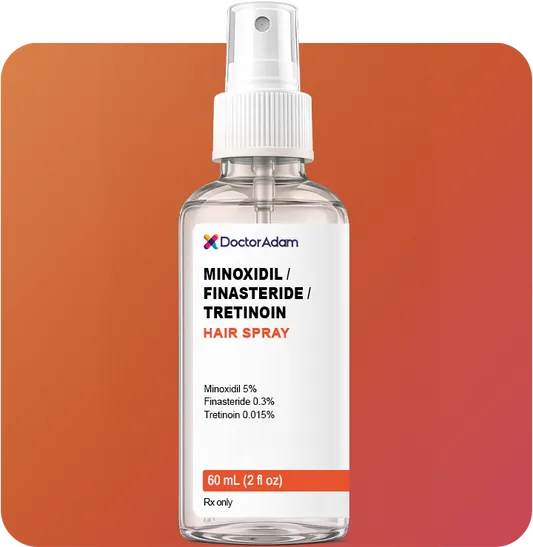
At Doctor Adam, our licensed medical team offers hair loss treatments backed by clinical evidence. Explore our men’s and women’s topical hair loss solutions to find out what might work best for you.
Brenda Peralta
Registered Dietitian Nutritionist (RDN) & Certified Diabetes Educator (CDE)
Brenda Peralta is a registered dietitian nutritionist and certified diabetes educator with experience translating nutrition science into practical, sustainable guidance. Her work focuses on helping readers understand how everyday food choices can support metabolic health, wellness, and healthy hair.