The Hidden Link Between Belly Fat and Hair Loss
The Hidden Link Between Belly Fat and Hair Loss
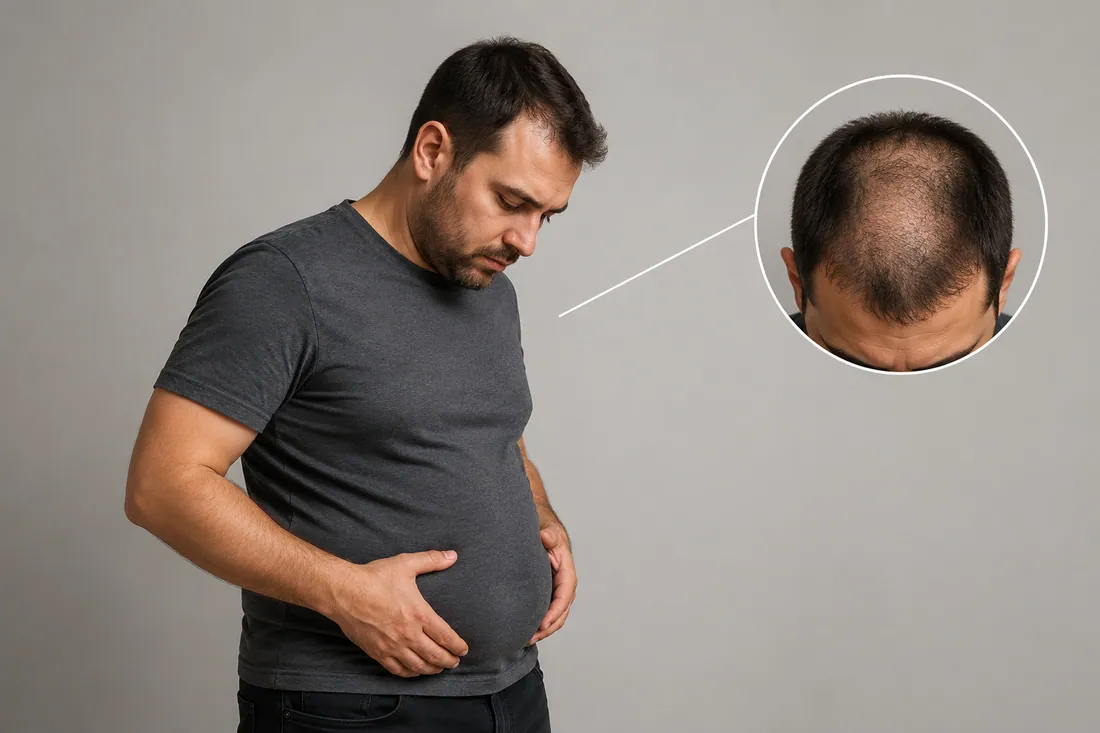
If you’ve noticed that your hairline is creeping backward or that your part is getting a little bit wider at the same time that your waistline has been expanding, you are probably not imagining things. There is a very well-documented connection between belly fat and hair loss that a lot of people don’t realize. There is an actual biological explanation for why belly fat and hair loss so often show up together, especially when that extra weight is the deep, visceral kind that sits around your internal organs.
If you’ve noticed that your hairline is creeping backward or that your part is getting a little bit wider at the same time that your waistline has been expanding, you are probably not imagining things. There is a very well-documented connection between belly fat and hair loss that a lot of people don’t realize. There is an actual biological explanation for why belly fat and hair loss so often show up together, especially when that extra weight is the deep, visceral kind that sits around your internal organs.
A lot of men assume that hair loss is just a natural part of getting older, or genetic bad luck, and while genetics absolutely can play a role, they aren’t the whole story. If your weight, your hormones, and your metabolic health are working against you, that can speed up thinning hair and make it a lot harder to hang onto what you’ve got. At DoctorAdam, we want to help you understand what is actually going on inside your body, why this connection matters so much, and what you can start doing about it today.
What Is DHT, and Why Does It Matter for Hair Loss?
Before we can really go into the details about belly fat and hair loss, it helps to first understand what is actually causing hair loss on a biological level in the first place. For most men, the culprit is a hormone called dihydrotestosterone, or DHT for short. DHT is created when an enzyme called 5-alpha reductase converts a portion of your testosterone into this much more potent hormone.
DHT and hair loss are closely connected together because DHT binds to receptors in the hair follicles on your scalp, especially around both the hairline and the crown. Over time, this causes those follicles to shrink, which shortens the growth cycle of each hair. Eventually, the follicle stops producing visible hair altogether. This process (known as androgenetic alopecia) is responsible for the vast majority of hair loss in men.
According to the American Hair Loss Association, about two-thirds of American men will experience some degree of noticeable hair loss by the age of thirty-five, and by age fifty, roughly eighty-five percent of men will have significantly thinning hair. That means that there is a huge number of men dealing with this, and genetics alone don’t completely explain why it happens earlier and more severely for some people than others. That’s where belly fat and hair loss start to link together, because your weight and your metabolic health can directly influence how much DHT your body produces and how sensitive your follicles are to it.
How Belly Fat Affects Your Hair Follicles
So does being overweight cause hair loss on its own? Not exactly, but carrying excess weight, especially around your midsection, creates an internal environment within your body that makes hair loss a lot more likely and often more severe. Visceral fat (which is the fat that surrounds your organs rather than just the fat that sits under your skin) is metabolically active tissue that produces hormones and inflammatory compounds which are capable of throwing off the systems that are responsible for healthy hair growth.
One of the best examples of this is insulin resistance. When you carry a lot of visceral fat, your cells can become less responsive to insulin, which means that your body has to produce more of it in order to keep your blood sugar in check. Elevated insulin levels can actually stimulate androgen production and interfere with circulation to the hair follicles, both of which contribute to thinning hair.
A 2025 study published in the Journal of Cosmetic Dermatology found that insulin resistance was present in eighteen percent of men with early-onset androgenetic alopecia, compared to just four percent of men without hair loss, and metabolic syndrome was found in twenty-one percent of the hair loss group compared to nine percent of the control group. The researchers also found that the connection between insulin resistance and hair loss got stronger as the hair loss itself became more severe.
The Blood Flow Connection
Just like with a lot of other things in the body, healthy hair growth depends heavily on having good circulation. Your hair follicles need a steady supply of oxygen and nutrients to be delivered through the small blood vessels in your scalp in order to stay in their active growth phase and produce strong, healthy strands of hair.
Excess visceral fat interferes with this in a few different ways. It contributes to inflammation that damages the lining of small blood vessels, including the ones that feed your scalp, and it’s associated with higher blood pressure and higher LDL cholesterol, both of which contribute to narrowed arteries that become stiffer over time. When blood flow to the scalp is reduced (even just slightly) hair follicles don’t get everything that they need to complete a full growth cycle, and they shift into a resting or shedding phase more quickly.
A groundbreaking study published in the journal Nature and conducted by researchers at Tokyo Medical and Dental University found that a high-fat diet and obesity triggered inflammatory signals that disrupted hair follicle stem cells in mice, leading directly to accelerated hair thinning. Interestingly, the researchers found that they were able to reverse this process by reactivating a specific cellular signaling pathway, which suggests that this kind of damage is not necessarily permanent. This is really encouraging news for anyone that’s been dealing with this issue.
The Role of Inflammation and Hormones
Belly fat and hair loss are connected through more than just DHT and blood flow. Visceral fat sets off a cascade of hormonal and inflammatory changes that ripple out and affect your entire body, from head to toe, and your hair is very much a part of all of that.
When you have a significant amount of visceral fat, your body releases a steady stream of inflammatory molecules called cytokines. These compounds create a hostile environment around your hair follicles and can prematurely push them out of their growth phase and into the shedding phase. This type of hair loss, called telogen effluvium, is usually more spread out across the scalp, than the pattern baldness that’s caused by DHT, but the two can absolutely happen at the same time and make each other worse.
There’s also a hormonal factor to consider when it comes to the testosterone and hair loss connection. It is important to understand that low testosterone itself isn’t usually the direct cause of pattern hair loss. In fact, it’s often more about how sensitive your hair follicles are to DHT rather than how much total testosterone you have. That said, the same visceral fat that raises DHT sensitivity and causes inflammation can also disrupt the bigger hormonal balance in your body, including testosterone production, which is one of the reasons that men dealing with weight-related hair loss often notice other symptoms too, like low energy, reduced libido, or difficulty maintaining an erection.
There’s also a psychological side to all of this that’s important to talk about. Losing your hair can be really difficult, especially when it feels like it’s happening faster than it should, and adding in the extra frustration of carrying extra weight around makes it easy to understand why a lot of men feel discouraged. Fortunately, there are some things you can do to help.
Can Losing Weight Actually Help With Hair Loss?
If you’ve been wondering can losing weight help hair loss, the research is really encouraging. When you reduce visceral fat, you lower the inflammatory load on your body, you improve your insulin sensitivity, and you improve circulation, all of which create a much better environment within your body for healthy hair growth.
The connection between weight loss and hair regrowth isn’t instant, and it’s important to set realistic expectations. Hair follicles work on a cycle that takes months to complete, so it usually takes a few months of consistent, healthy changes before you start to notice a visible difference. But men who successfully reduce visceral fat often report that their hair loss noticeably slows down, and in some cases, thinning areas do start to fill back in, especially when weight loss is combined with the right medical treatments.
It’s also worth noting that really fast or extreme weight loss can sometimes trigger a temporary bout of shedding on its own, and this is because any major stress on the body (including a big calorie deficit) can force hair follicles into the shedding phase. This usually goes away within a few months and doesn’t cancel out the long-term benefits of getting to and maintaining a healthier weight. The relationship between belly fat and hair loss really does go in both directions…losing the fat tends to help the hair, and taking care of your hair health often comes hand in hand with taking better care of your overall metabolic health.
What You Can Do to Start Improving Your Hair Health
If you’re dealing with belly fat and hair loss at the same time, here are some of the most effective, evidence-backed steps that you can take in order to start addressing both issues together.
Focus on Reducing Visceral Fat Through Nutrition
Diet is one of the best tools that you have for targeting visceral fat. Diets that are lower in refined carbohydrates and added sugars are very effective at reducing insulin resistance and metabolic syndrome and hair loss risk together, even before your overall body weight changes that much. Prioritizing whole foods, lean proteins, healthy fats, and fiber-rich vegetables gives your body all of the nutrients that it needs in order to reduce inflammation and boost the health of your hair follicles.
Incorporate Regular Cardiovascular Exercise
Aerobic exercise is one of the best ways to reduce visceral fat while also directly improving the blood flow to your scalp. If you’re looking for how to stop hair loss naturally, this is one of the most powerful places to start, and you don’t need to do anything drastic like running marathons in order to see benefits. Even thirty minutes of brisk walking, cycling, or swimming most days of the week can make a really big difference in both your waistline and the circulation that your hair follicles depend on.
Add Resistance Training
Lifting weights or doing resistance-based exercise helps build muscle, which increases your resting metabolic rate and helps your body use glucose more efficiently. This improves insulin sensitivity, which is directly tied to reducing visceral fat and lowering the chronic inflammation that contributes to hair thinning.
Prioritize Sleep
A lot of the repair and regeneration that your body does, including at the level of your hair follicles, happens when you are in deep sleep. Poor sleep is also linked to higher cortisol levels, and having elevated cortisol both encourages fat storage around your abdomen and can push your hair follicles into a premature shedding phase. Getting seven to nine hours of quality sleep is a biological necessity for your hormones and your hair.
Manage Stress
Chronic stress elevates cortisol levels, which competes with your other hormones and encourages fat storage in the abdominal area. It’s also one of the most well-documented triggers of telogen effluvium (the diffuse shedding pattern that we mentioned earlier). Finding regular ways to manage stress, whether that’s through exercise, mindfulness, therapy, or simply more downtime, benefits your waistline, your hormones, and your hairline all at once.
Get a Proper Medical Evaluation
If you’re dealing with noticeable hair loss, it’s worth getting a proper medical evaluation so all of the contributing factors can be identified. Your hormone levels, blood sugar, insulin sensitivity, and overall metabolic health all need to be taken into account. At DoctorAdam, our licensed medical team evaluates your full health picture, including your weight and metabolic health, so that the treatment plan we create for you actually addresses what’s driving your specific symptoms.
Explore Hair Loss Treatment Options
Persistent shedding can have more than one contributing factor. Explore provider-guided oral and topical options available through DoctorAdam.
When Medication Is Still Part of the Plan
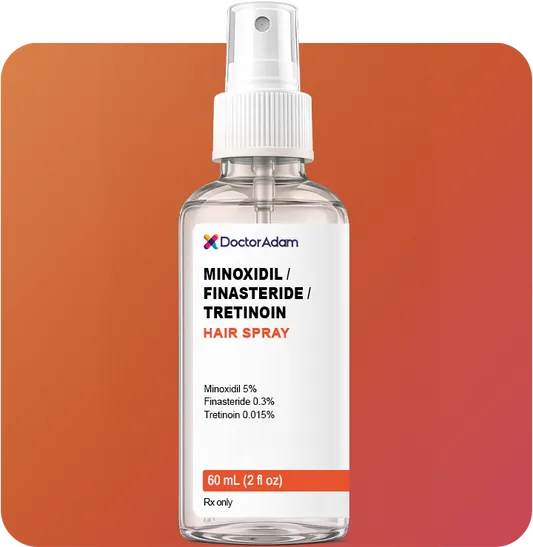
Even though lifestyle changes are the right foundation, a lot of men still benefit from adding in some proven medical treatments while they work on those underlying factors. Finasteride and dutasteride are both FDA-approved medications that work by blocking the 5-alpha reductase enzyme, which reduces the amount of DHT available to miniaturize your hair follicles. Topical minoxidil, on the other hand, works a bit differently. It helps stimulate blood flow to the follicles and can extend the growth phase of the hair cycle.
These treatments tend to work best as part of a complete plan rather than as a standalone fix. This is exactly the kind of care that we provide at DoctorAdam. We offer options like Follicle Fuel, which includes both finasteride and dutasteride formulations, along with Lush Lox minoxidil and other topical treatments, all guided by licensed medical providers who take your whole health picture into account. We don’t just hand you a prescription and send you on your way. We work with you on the full picture, which often includes weight management and metabolic health alongside specialized hair loss treatment.
Here’s What You Need to Know
As we’ve talked about throughout this article, there’s a very real, and well-documented connection between belly fat and hair loss. Visceral fat raises insulin resistance, increases inflammation, restricts blood flow to your scalp, and disrupts the hormonal balance that your hair follicles rely on in order to function well. The good news is that none of this is set in stone. With the right approach, a lot of this damage can be slowed down, and in some cases, even reversed.
Reducing visceral fat through consistent lifestyle changes can lower inflammation, improve insulin sensitivity, boost circulation to your scalp, and help bring back the right conditions that your body needs for healthy hair growth. For a lot of men, addressing belly fat and hair loss together, rather than treating them as two separate problems, ends up being one of the best things they can do for both their hair and their overall health.
If you’re ready to take a step in the right direction, we’re here to help. Schedule a confidential consultation with DoctorAdam today, and let us create a plan that’s made specifically for your hair, your hormones, and your overall health.
Frequently Asked Questions
Can belly fat really cause hair loss?
Belly fat does not cause hair loss all on its own, but it creates the kind of internal environment, including insulin resistance, chronic inflammation, and reduced blood flow, that makes hair loss a lot more likely and often more severe. Genetics still play a major role, but excess visceral fat can speed up the process and make thinning hair show up earlier than it otherwise would.
Will losing weight regrow my hair?
In some cases, yes, especially if your hair loss is tied to insulin resistance, inflammation, or reduced circulation rather than genetics alone. Weight loss and hair regrowth are linked because reducing visceral fat lowers inflammation and improves blood flow to the scalp. That said, results vary from person to person, and combining weight loss with proven treatments like finasteride, dutasteride, or minoxidil usually produces the best outcomes.
Does testosterone cause hair loss?
Not exactly. The testosterone and hair loss connection is a little more nuanced than most people assume. It is actually DHT, a byproduct of testosterone, that causes pattern hair loss, and it has more to do with how sensitive your hair follicles are to DHT than how much total testosterone you have. Low testosterone is not typically a direct cause of hair loss on the scalp.
How to stop hair loss naturally?
There are several evidence-backed ways to slow or help stop hair loss naturally. Reducing visceral fat through a healthy diet and regular cardiovascular exercise is one of the best. Getting enough sleep matters because that is when a lot of cellular repair happens. Managing stress helps keep cortisol in check, which protects both your hormones and your hair follicles. These changes work together to create the conditions your body needs for healthier hair.
Is hair loss from insulin resistance reversible?
In many cases, yes. When hair loss is connected to insulin resistance and metabolic syndrome, improving those underlying conditions through weight loss, diet, and exercise can meaningfully slow or improve hair thinning. The earlier these factors are addressed, the better the chances of a noticeable improvement. A proper medical evaluation is the best way to understand exactly what’s contributing to your specific situation.