Do beta blockers make you tired, dizzy or sleepless?

Written and medically reviewed by
Dr. Jaclyn “Jaki” Leyson-Azuela, RMT, MD, MPHA week into a new beta blocker, the stairs at work suddenly feel like a hill. That feeling is real. In more than 42,000 exercise tests, people taking beta blockers reached a maximum heart rate about 18% lower than non-users, according to Current Research in Physiology.
Beta blockers are widely used for high blood pressure, irregular heart rhythms, heart failure, migraine prevention and performance anxiety. But beta blocker side effects like fatigue, dizziness and insomnia make some people feel the medication isn’t worth it. Each of these problems has a clearer explanation, and more practical solutions, than the leaflet in the box suggests.
Key takeaways · Updated October 28, 2026
- Beta blockers cap how high your heart rate can climb, which can feel like fatigue during exertion; many people adapt over time.
- Dizziness on standing is the side effect most clearly caused by beta blockers, and it usually peaks in the first four weeks.
- Sleep effects are real but modest; lipophilic drugs like propranolol cross into the brain more easily and can lower nighttime melatonin.
- Never stop a beta blocker suddenly. Ask about a different beta blocker, dose timing, standing up slowly and whether melatonin is right for you.
Why do beta blockers make you tired?
Beta blockers block adrenaline and noradrenaline at beta receptors, mainly in the heart. That slows your heart rate and softens each beat, which is exactly what controls blood pressure and rhythm problems. But during exercise your heart can’t speed up as much as before, and that ceiling can feel like low energy.
Most bodies adapt. In the same exercise study, each heartbeat delivered more oxygen, so peak power output was only 3.3% lower, and people on beta blockers actually rated cycling and breathing effort about 8% lower than non-users. The beta blocker group was about 10 years older and the study was observational, so the drug’s exact effect can’t be isolated, but it shows why some people feel tired on a beta blocker and others don’t.
Are beta blocker side effects real or a nocebo effect?
Some are real, but many are not caused by the drug. A review of placebo-controlled heart failure trials in the International Journal of Cardiology found that many of the side effects commonly listed for beta blockers happened about as often with placebo. The authors warned that long side-effect lists can scare people off useful medicine.
This is called the nocebo effect: expecting side effects can make you notice or feel them more. In those heart failure trials, insomnia was actually reported less often with beta blockers than with placebo. A slow heart rate (bradycardia), on the other hand, was one of the few side effects clearly caused by the medication.
Why do beta blockers make you dizzy when you stand up?
When you stand, blood pools in your legs. Normally your body tightens blood vessels and speeds up your heart within seconds to compensate, but beta blockers blunt that reflex. The result can be a drop in blood pressure on standing, called orthostatic hypotension, which feels like lightheadedness.
A PLOS Medicine meta-analysis of 69 placebo-controlled trials found that beta blockers raised the odds of orthostatic hypotension roughly eightfold (odds ratio 7.76, with a wide confidence interval of 2.51 to 24.03). No such increase was seen with calcium-channel blockers, ACE inhibitors or ARBs. A 2024 meta-analysis in the British Journal of Clinical Pharmacology found dizziness was about 1.7 times more common on beta blockers overall, and about 3 times more common on lipophilic drugs such as propranolol.
If you and your doctor are considering another class of blood pressure medicine, keep the trade-offs in mind: dizziness is less likely with calcium-channel blockers, but many of them, like amlodipine and nifedipine, raise the risk of ankle and leg swelling, according to a network meta-analysis of 71 studies in the Journal of Clinical Hypertension.
Does dizziness from beta blockers go away?
It often eases with time. The risk of blood pressure drops on standing is highest in the first four weeks after starting a cardiovascular medication, especially in people aged 60 and older, and then declines. Dizziness that persists or causes fainting or falls needs prompt review by your prescriber.
Can beta blockers cause insomnia or nightmares?
They can, but the effect is modest and inconsistent. Lipophilic beta blockers such as propranolol and metoprolol cross into the brain more easily than water-soluble ones like atenolol, and beta blockers can lower nighttime melatonin, the hormone that helps you fall asleep.
The difference in how easily these drugs reach the nervous system may explain why some people notice vivid dreams or broken sleep. In the 2024 meta-analysis, propranolol was linked to a 13% higher risk of insomnia than placebo, but that result wasn’t statistically convincing, and there was no significant increase in nightmares or daytime sleepiness. Most of those studies were done before 1996, and 60% had a high risk of bias.
If your sleep problems started before your prescription, look at other causes first; our guide to common causes of poor sleep is a good place to start.
| Side effect | Why it happens | What may help |
|---|---|---|
| Fatigue during activity | Heart rate can’t climb as high | Gradual dose increases; give your body a few weeks to adapt |
| Dizziness on standing | Blunted blood pressure reflex | Stand up slowly; ask for a standing blood pressure check |
| Insomnia or vivid dreams | Lower melatonin; lipophilic drugs reach the brain | Ask about dose timing, a different beta blocker or melatonin |
| Very slow heart rate | Direct effect of the drug | Contact your prescriber, especially with weakness or confusion |
How can you reduce beta blocker side effects?
Don’t stop or change your dose on your own. Instead, ask about a more heart-selective beta blocker, start low and increase slowly, stand up gradually, ask whether melatonin is right for you, simplify to once-daily dosing and use reminders. Good sleep habits help no matter the cause.
Is it safe to stop a beta blocker suddenly?
No. Stopping abruptly can occasionally cause a rebound effect, with a faster heart rate, higher blood pressure, anxiety, nervousness and headaches, typically about 36 to 72 hours after the last dose. Always talk to your prescriber before stopping or tapering.
Is there a beta blocker with fewer side effects?
It’s worth asking whether another beta blocker would suit you better. Bisoprolol binds mainly to the beta-1 receptors in the heart and has almost no effect on beta-2 receptors at usual doses, while propranolol was the only beta blocker linked to worse lung function in trials of people with COPD.
That selectivity, described in a review in Current Medical Research and Opinion, matters most for breathing. The COPD meta-analysis in Respiratory Research is one reason doctors often prefer heart-selective beta blockers for people with lung conditions.
More practical tips that help
- Start low, go slow. Gradually increasing from a small dose makes a beta blocker easier to tolerate, and dizziness is usually temporary.
- Stand up in stages. Sit on the edge of the bed for a minute before getting up, and ask your provider to check your blood pressure while standing, especially if you take several medicines that affect this reflex.
- Ask about melatonin. In a 3-week trial in SLEEP, 16 people with high blood pressure taking atenolol or metoprolol took 2.5 mg of melatonin or a placebo each night. Melatonin increased total sleep by 36 minutes and helped them fall asleep 14 minutes faster, with no rebound insomnia. It’s a small study, so the results are promising but not conclusive. See our melatonin guide for more.
- Simplify your schedule. Once-daily dosing reduced the risk of missed doses by about 56% in four randomized trials, according to a meta-analysis in the Portuguese Journal of Cardiology. Some beta blockers come in extended-release forms, although evidence that they cause fewer side effects is limited.
- Set reminders. An umbrella review in The Lancet Digital Health found highly suggestive evidence that text messages and apps improve medication adherence in heart disease.
- Protect your sleep. These 10 science-backed tips for better sleep are a sensible starting point, whatever the cause.
Which beta blocker symptoms need urgent attention?
Contact your doctor right away, or call 911, if you faint or nearly faint, fall, notice an unusually slow heartbeat with weakness or confusion, or develop wheezing or trouble breathing, especially if you have asthma or COPD.
Don’t wait for your next appointment if you have any of these symptoms. A slow heart rate is one of the few beta blocker side effects clearly caused by the medication, and it can need a dose change.
Getting support with an adrenaline blocker
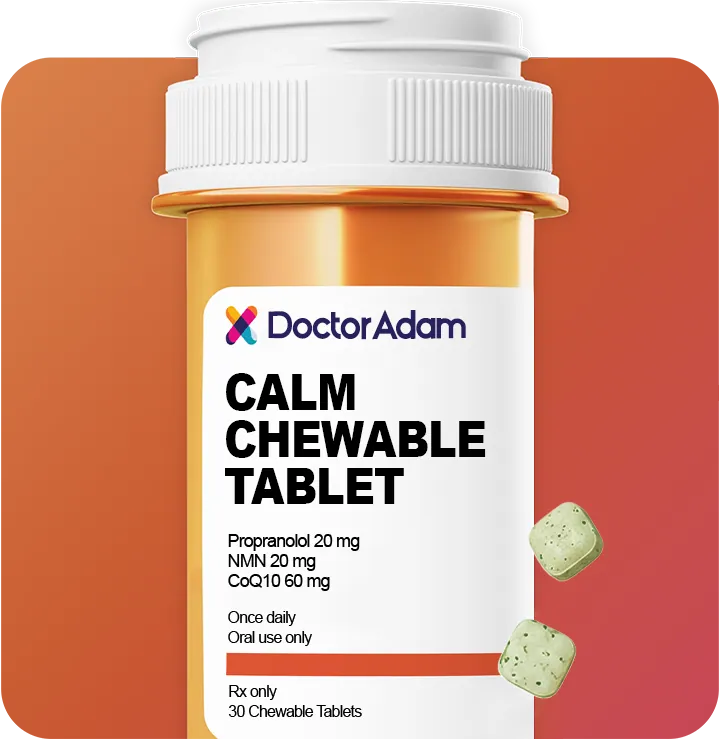
If you take a beta blocker for performance anxiety, DoctorAdam’s Calm adrenaline blocker program starts with a free online assessment of your symptoms, medical history and current medications, reviewed by U.S.-licensed doctors.
If fatigue, dizziness or poor sleep is getting in the way, raise it in your Calm adrenaline blocker assessment or with whoever prescribes your medication. The right drug, dose and timing often make the difference between quitting treatment and feeling comfortable on it. You can also learn about Calm support, or read our guide on how beta blockers work for anxiety.
Frequently asked questions
Do beta blockers make you tired?
They can, especially during exercise, because they limit how high your heart rate can climb. Many people adapt within a few weeks, and placebo-controlled trials show that some reported tiredness isn’t caused by the drug itself. If fatigue persists, ask your prescriber about the dose or a different beta blocker.
Does dizziness from beta blockers go away?
It often eases. The risk of blood pressure drops on standing peaks in the first four weeks after starting cardiovascular drugs and declines afterward. Dizziness that persists or leads to fainting or falls needs prompt review by your prescriber.
Can I take melatonin with a beta blocker?
In a small randomized trial, 2.5 mg of melatonin nightly improved sleep in people taking atenolol or metoprolol, with no rebound insomnia when it was stopped. Check with your prescriber first, especially if you take other blood pressure medications.
Which beta blocker has the fewest side effects?
No single beta blocker suits everyone. Lipophilic drugs such as propranolol have been linked to more dizziness and insomnia than placebo, while highly heart-selective drugs such as bisoprolol barely block beta-2 receptors at usual doses. The best choice depends on why you take it and your other conditions.
Can you stop taking beta blockers suddenly?
No. Stopping suddenly can cause a rebound rise in heart rate and blood pressure, along with anxiety and headaches, usually 36 to 72 hours after the last dose. Your prescriber can help you taper safely if you need to stop.
Sources
- Beta blockers and exercise capacity in 42,000+ exercise tests – Current Research in Physiology
- Beta blocker side effects vs. placebo in heart failure trials – International Journal of Cardiology
- Antihypertensive drugs and orthostatic hypotension: meta-analysis – PLOS Medicine
- Beta blockers, dizziness and neuropsychiatric effects: meta-analysis – British Journal of Clinical Pharmacology (2024)
- Calcium-channel blockers and peripheral edema: network meta-analysis – Journal of Clinical Hypertension
- Lipophilic vs. hydrophilic beta blockers and the central nervous system – Medicina
- Beta-1 selectivity of bisoprolol – Current Medical Research and Opinion (2024)
- Beta blockers and lung function in COPD: meta-analysis – Respiratory Research
- Melatonin improves sleep in hypertensive patients on beta blockers – SLEEP
- Once-daily dosing and medication adherence: meta-analysis – Portuguese Journal of Cardiology
- Digital interventions and medication adherence in cardiovascular disease – The Lancet Digital Health
Dr. Jaclyn “Jaki” Leyson-Azuela, RMT, MD, MPH
Physician • Medical Writer • Public Health Professional
Dr. Jaclyn “Jaki” Leyson-Azuela, RMT, MD, MPH, is a physician, medical writer, and researcher with a strong background in public health, clinical medicine, and academic instruction. She has served as an Assistant Professor teaching core medical sciences, a Doctor-to-the-Barrio delivering frontline care in underserved communities, and a COVID-19 facility manager during the pandemic. Today she writes and reviews evidence-based health content to help readers make informed, confident decisions with their healthcare providers.
This article is for informational purposes only and does not replace medical advice. Prescription products require an online consultation with a licensed healthcare provider, who will determine whether treatment is appropriate for you.