How do beta blockers work for anxiety?

Written by
Shelby Leith, RPhTYou’ve practiced your presentation at least a dozen times. You know all of the material inside and out. But the moment you stand up in front of the room, your heart starts pounding, your hands start shaking, your voice gets wobbly, and your mind suddenly goes completely blank. It’s a frustrating feeling, because your brain knows that you’re not in any real danger, but your body is acting like you’re about to be chased by a bear.
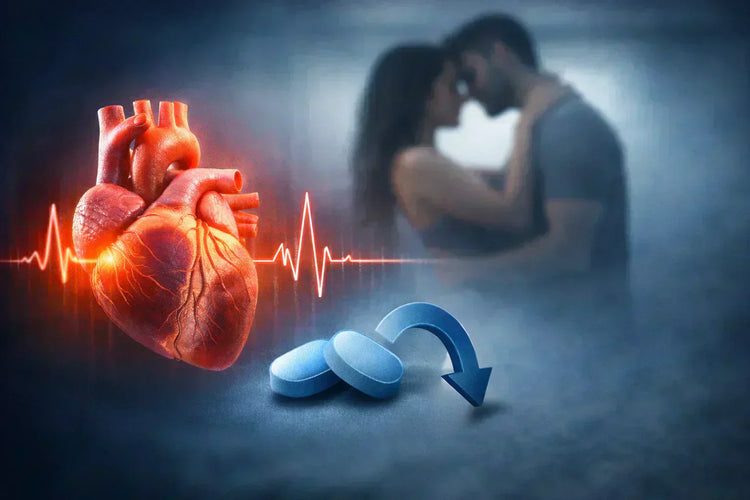
That’s exactly the problem that beta blockers for anxiety are designed to help with. Sometimes called an adrenaline blocker, this type of medication has become one of the most talked-about tools for handling those big life moments, from job interviews and wedding speeches to first dates and intimate moments in the bedroom. There’s also a lot of confusion about what these medications actually do, what they don’t do, and who they’re right for.
At DoctorAdam, we put this guide together to clear things up for you. We’ll take a look at what’s happening in your body when your nerves take over, how beta blockers work, what the research says, and the other tools that are available to help you feel calm and confident when it counts the most.
Key takeaways
- Beta blockers calm the physical side of nerves: racing heart, shaky hands, trembling voice.
- They work best for predictable, one-off situations like presentations, interviews, performances, and sexual anxiety.
- They don’t change anxious thoughts, and they aren’t a stand-alone treatment for ongoing anxiety disorders.
- They aren’t habit-forming, but they aren’t right for everyone, so a medical evaluation comes first.
What happens in your body when you get nervous?
To understand how an adrenaline blocker works, it helps to first understand what adrenaline actually does in your body. When your brain senses a threat, it flips on something called the fight or flight response. Your adrenal glands, which sit on top of your kidneys, release a rush of stress hormones, mainly adrenaline (also called epinephrine). This is an ancient survival system. Thousands of years ago, it helped our ancestors either fight off danger or run away from it as fast as possible.
Adrenaline gets your body ready for action in a matter of seconds. Your heart beats faster and harder to pump more blood to your muscles. Your breathing speeds up. Your muscles tense, which can make your hands shake and your voice tremble. You start to sweat, your mouth can go dry, and you might even feel a little nauseous as blood gets redirected away from your stomach.
The problem is that your brain can’t always tell the difference between a real emergency and a stressful moment. Giving a toast at your best friend’s wedding doesn’t actually put you in any danger, but your body can still treat it like it does. Think of it like a smoke detector that goes off every time you make toast: the alarm system is working properly, it’s just a bit too sensitive.
That’s why some of the most common performance anxiety symptoms are physical ones, like a racing heart, shaky hands, a cracking voice, sweaty palms, and shallow breathing. And those symptoms can feed into each other. You notice that your hands are shaking, you start worrying that everyone else can see it too, and that worry sends even more adrenaline into your system. It becomes a loop that can be really hard to break once it starts.
How does a beta blocker calm anxiety?
Beta blockers were originally developed in the 1960s to treat heart conditions like high blood pressure and chest pain. The most well-known one, propranolol, is still widely prescribed for those conditions today. But doctors soon noticed that these medications had the interesting side benefit of being able to calm down the physical symptoms of nerves.
Here’s how it works. Adrenaline does its job by attaching to tiny docking stations on your cells called beta receptors. These receptors are like little locks, and adrenaline is the key. When the key goes into the lock, your heart speeds up, your hands start to tremble, and your body shifts into high gear. A beta blocker works by sitting in those locks first and blocking them, so that adrenaline can’t get in. The adrenaline is still in your system, but it can’t deliver its message nearly as well.
That’s why many people describe the effect as feeling like their mind is still aware that the moment is important, but their body stays calm. Your heart rate stays steadier, your hands stay still, and your voice comes out the way you want it to. Plus, because your body isn’t sending panic signals back to your brain, that anxious loop has a much harder time getting started.
When doctors prescribe propranolol for anxiety, it’s usually taken as a single dose about 30 to 60 minutes before a specific event, rather than every day. This kind of use is considered off-label, which simply means the medication was originally approved for a different purpose (heart conditions) but is prescribed for another one based on clinical experience. That’s very common in medicine, but it’s also why it’s so important to use these medications under the guidance of a licensed provider.
Who can benefit from beta blockers?
Beta blockers tend to work best for anxiety that’s tied to a specific, predictable situation. If you know exactly when the nerves are going to hit, and the physical symptoms are what get in your way, you may be a good candidate. Here are some of the most common situations where people use them.
| Situation | Good fit for a beta blocker? | Why |
|---|---|---|
| Presentations, toasts, stage fright | Often | Predictable timing, and the shaking and racing heart are the main problem. |
| Job interviews, exams, big meetings | Often | A steadier body helps you stay focused on what matters. |
| Sexual performance anxiety | Sometimes | Calming adrenaline can help break the anxiety cycle; ED medication may also fit. |
| Constant worry or panic attacks | Usually not alone | Ongoing anxiety disorders usually need therapy or daily treatment. |
1. Do beta blockers help with stage fright?
Stage fright is one of the classic reasons people turn to beta blockers. Musicians, actors, and public speakers have used them for decades to keep their hands steady and their voices clear. The same goes for anyone who has to present at work, give a toast, or speak up in a big meeting. When your body stays calm, both you and your preparation finally get a chance to shine.
2. Can beta blockers help before a job interview or exam?
A lot of people perform well in everyday life but freeze up when the stakes are high. A shaky voice or a pounding heart during an interview or an important pitch can make you feel like you’re not coming across as yourself. By taking the edge off those physical symptoms, beta blockers can help you stay focused on what’s important instead of on how your body is reacting.
3. Can beta blockers help with sexual performance anxiety?
This is the one people don’t talk about nearly enough. Sexual performance anxiety is one of the most common sexual concerns men have, and a review published in Sexual Medicine Reviews estimated that it affects somewhere between 9 and 25 percent of all men.
There’s a biological reason why nerves and erections don’t mix. An erection depends on the blood vessels in the penis relaxing and opening up so that blood can flow in. Adrenaline does the exact opposite. It tightens blood vessels and diverts blood toward your large muscles, because in a true emergency your body isn’t worried about sex, it’s worried about survival. So when you’re anxious about how things are going to go, the adrenaline that’s released can make it physically harder to get or keep an erection, which can make you even more anxious the next time. If that pattern sounds familiar, our guide on why you keep losing an erection during sex explains it in more detail.
For some men, calming the body’s adrenaline response can help break that cycle. In other cases, an ED medication like sildenafil or tadalafil may be a better fit, or the two approaches may be used together under a provider’s guidance. Our men’s sexual wellness team can help you figure out which option makes the most sense for you.
What can’t beta blockers do for anxiety?
It’s important to have realistic expectations. Beta blockers are very good at calming the physical side of anxiety, but they don’t directly change anxious thoughts or worries. In other words, they turn down the volume on your body’s alarm system, but they don’t rewrite the reasons the alarm is going off in the first place.
That’s also why the research on beta blockers for anxiety disorders is more mixed than many people might expect. A systematic review of propranolol for anxiety disorders looked at the available clinical trials and concluded that there wasn’t enough high-quality evidence to support using propranolol as a routine treatment for ongoing anxiety disorders. A more recent review led by the University of Bristol came to a similar conclusion, even though beta blocker prescriptions for anxiety have increased a lot over the past two decades.
So what exactly does that mean for you? Beta blockers tend to be most helpful for situational nerves, like stage fright, sexual anxiety, or a big presentation, where the physical symptoms are the main thing getting in your way. If you’re dealing with constant worry, panic attacks, or anxiety that affects your daily life, beta blockers usually aren’t enough on their own, and other treatments like therapy or daily medication may be a better fit.
What are the side effects of beta blockers?
When they’re prescribed properly, beta blockers are generally well tolerated and are not habit-forming. The most common beta blocker side effects include tiredness, dizziness or lightheadedness, cold hands and feet, and an upset stomach. Because they lower your heart rate and blood pressure, some people also notice that they feel a little sluggish during intense exercise.
Beta blockers aren’t right for everyone. They can be risky for people with asthma or other breathing conditions, certain heart rhythm problems, very low blood pressure, or diabetes that requires insulin, because they can mask the warning signs of low blood sugar. They can also interact with other medications, and they should only be taken exactly as prescribed, because taking too much can be dangerous. That’s why a medical evaluation is so important before you start.
How can you calm your nerves without medication?
Beta blockers for anxiety can be a really helpful tool, but they work best alongside a few other strategies. If you’re looking for how to calm nerves before a big moment, these are some of the best places to start:
- Slow down your breathing. When you’re anxious, your breathing gets fast and shallow, which tells your brain that something is wrong. Slowing it down on purpose sends the opposite message. Making your exhale longer than your inhale helps activate the part of your nervous system responsible for rest and relaxation, which acts like a natural brake on the adrenaline rush.
- Reframe the feeling. Nervousness and excitement feel very similar in the body. Both come with a faster heartbeat and a burst of energy. Instead of telling yourself to calm down, try telling yourself that you’re excited. It sounds simple, but shifting the way you think about those sensations can help you use that energy instead of fighting against it.
- Prepare and practice. The more familiar something feels, the less of a threat your brain sees it as. Rehearsing out loud, practicing in front of a friend, or visiting the room where you’ll be speaking ahead of time can take some of the unknowns out of the situation and help you feel calmer when it’s your time to shine.
- Go easy on caffeine and alcohol. Caffeine can make your heart race and your hands shake even more, so it’s a good idea to cut back before a big event. Alcohol might seem to take the edge off, but it can affect your focus and performance, and for men in the bedroom, it can make erections harder to achieve.
- Take care of the basics. Regular exercise, good sleep, and managing everyday stress all help lower your baseline level of anxiety, so there’s less fuel for the fire when a big moment comes along. If sleep has been a struggle, our guides on how to sleep better and how sleep affects your hormones are great places to start, and if anxiety is showing up often or getting in the way of your life, talking with a therapist can help address what’s driving it at a deeper level.
Try the 4–6 breath: breathe in through your nose for about four seconds, then breathe out slowly for about six. Five or six rounds before you walk in can make a noticeable difference.
Are beta blockers right for your anxiety?
Performance nerves are a normal part of being human, but for some people the physical symptoms can get in the way of showing up as their best selves. Beta blockers for anxiety work by blocking adrenaline from attaching to its receptors, which helps keep your heart rate steady, your hands still, and your voice clear when it matters the most. They work best for situational anxiety, like presentations, interviews, and sexual performance, and they’re most effective when combined with other strategies like slow breathing, preparation, and healthy daily habits.
Beta blockers aren’t a cure for ongoing anxiety, and they aren’t right for everyone, which is why it’s important to get a proper medical evaluation before you try one.
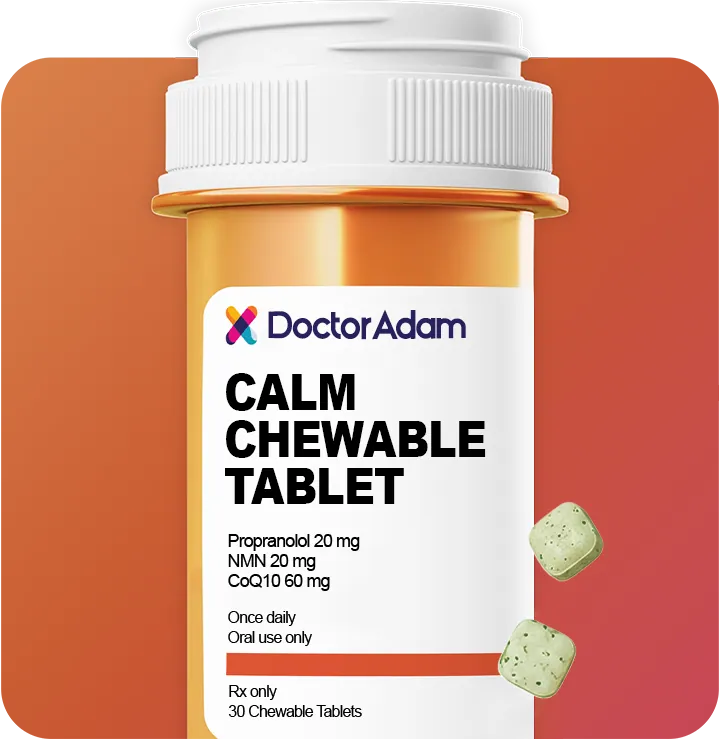
If nerves have been holding you back, we’re here to help. At DoctorAdam, our licensed providers can review your health history and help you decide whether our Calm treatment for performance anxiety, available as convenient Calm chews, is a good fit for you. Start a confidential online consultation today, and let’s build a plan that helps you feel calm, confident, and in control.
Frequently asked questions
Do beta blockers work for anxiety?
Beta blockers for anxiety work best for the physical symptoms of situational nerves, like a racing heart, shaky hands, and a trembling voice before a presentation or performance. They don’t directly change anxious thoughts, and research has found limited evidence that they work as a long-term treatment for ongoing anxiety disorders. For predictable, one-time events, though, many people find them very helpful.
How long does propranolol take to work?
When providers prescribe propranolol for anxiety, it is usually taken about 30 to 60 minutes before the event, and the effects typically last for several hours. Because everyone responds a little differently, many providers recommend trying a dose on a low-stakes day first, so you know how your body reacts before the moment that really matters.
What are the most common performance anxiety symptoms?
The most common ones include a pounding or racing heart, shaky hands, a trembling or cracking voice, sweating, dry mouth, shallow breathing, nausea, and your mind going blank. In the bedroom, performance anxiety can also show up as difficulty getting or keeping an erection, or finishing sooner than you’d like.
Can beta blockers help with performance anxiety in the bedroom?
They can for some men. Adrenaline tightens blood vessels and pulls blood away from the penis, which can make erections harder to get and keep when you’re nervous. By calming the body’s adrenaline response, a beta blocker may help break the anxiety cycle. Some men also benefit from ED medications like sildenafil or tadalafil, and a licensed provider can help you decide which approach is right for you.
Are beta blockers addictive?
No. Beta blockers are not considered habit-forming, and they don’t cause the kind of sedation or dependence that is often associated with some other anxiety medications, like benzodiazepines. That said, people who take them every day for a heart condition shouldn’t stop suddenly without talking to their doctor, and they should always be taken exactly as prescribed.
What does it feel like to take a beta blocker?
Most people say they don’t feel high, sleepy, or out of it. Instead, they notice that their body stays calmer when their fight or flight response would normally kick in. Your mind may still feel a little nervous energy, but your heart doesn’t race and your hands don’t shake, which makes it much easier to focus and perform the way you want to.
Sources
- Sexual performance anxiety – Sexual Medicine Reviews (PubMed)
- Propranolol for the treatment of anxiety disorders: systematic review and meta-analysis
- Beta-blockers for the treatment of anxiety disorders: a systematic review – University of Bristol
- Propranolol – MedlinePlus drug information
- Anxiety disorders – National Institute of Mental Health
Shelby Leith, RPhT
Medical Writer • Registered Pharmacy Technician • Diabetes Education Specialist
Shelby Leith is an experienced medical writer with deep roots in pharmacy and a real passion for helping people gain a deeper understanding of their health. With over 26 years as a Registered Pharmacy Technician and specialized training in diabetes education, she knows how to strike a balance between clinical accuracy and what actually has an impact on everyday life. Shelby also brings firsthand insight into diet, nutrition, supplementation, and performance through her experience as a two-time amateur bodybuilding competitor.
This article is for informational purposes only and does not replace medical advice. Prescription products require an online consultation with a licensed healthcare provider, who will determine whether treatment is appropriate for you.