How does sleep affect testosterone?

Written and reviewed by
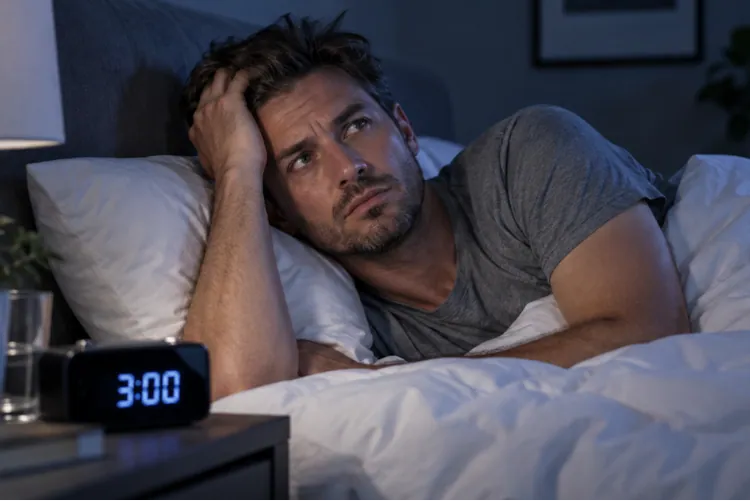
Shelby Leith, RPhTHere’s something most men never hear: cutting back to about five hours of sleep a night for just one week can lower a young man’s testosterone by roughly as much as 10 to 15 years of aging. That was the finding of a study from the University of Chicago, and it’s an eye-opening reminder that the hours you spend in bed do a lot more than help you feel rested the next day.
When most guys think about testosterone, they think about the gym, their diet, or their age. Sleep rarely makes the list. Yet the link between sleep and testosterone is one of the most important, and most overlooked, parts of men’s health. Your body makes most of its daily testosterone while you’re asleep, so when your sleep suffers, your hormones, energy, sex drive, and even your erections can suffer right along with it.
At DoctorAdam, our goal is to help you understand what actually happens in your body overnight, why poor sleep and insomnia can throw your hormones off balance, and what you can do to protect both your sleep and your testosterone, starting tonight.
Key takeaways
- Your body releases most of its testosterone during sleep, with levels peaking around the first REM cycle and staying high until morning.
- One week of five-hour nights lowered testosterone by 10 to 15 percent in healthy young men.
- Insomnia, sleep apnea, late-night alcohol, and stress all cut into the deep and REM sleep your hormones depend on.
- Better sleep is one of the easiest ways to increase testosterone naturally, and it also supports energy, mood, and erections.
How does your body make testosterone while you sleep?
To understand the link between sleep and testosterone, it helps to know how testosterone is made. It’s produced mostly in the testes, but the instructions come from your brain. Your brain sends a chemical signal called luteinizing hormone (LH) to the testes, telling them to start producing testosterone. Think of your brain as the manager and your testes as the factory: the factory can only produce what the manager orders.
Here’s where sleep comes in. Testosterone isn’t released at a steady rate all day. It follows a daily rhythm, and the biggest boost happens overnight. Levels start to climb shortly after you fall asleep, and a research review from the University of Adelaide shows that in young men they typically peak around the first period of REM sleep and stay elevated until you wake up. That’s why testosterone is usually highest first thing in the morning and slowly declines as the day goes on.
The connection between REM sleep and testosterone matters. REM is the stage where most dreaming happens, and it comes in cycles roughly every 90 minutes. When your sleep is constantly interrupted, you get fewer of these cycles and your body has less opportunity to do its overnight hormone work. A study at the Technion–Israel Institute of Technology found that when men’s sleep was broken into short fragments, the normal nighttime rise in testosterone only appeared in the men who still reached that first REM period.
Does lack of sleep lower testosterone?
Yes. If you’ve been wondering whether lack of sleep lowers testosterone, the research is clear that it can, and the effects show up fast.
In the University of Chicago study, healthy young men with an average age of 24 first spent several nights sleeping up to 10 hours, then spent eight nights sleeping only five hours. After just one week of short sleep, their daytime testosterone dropped by 10 to 15 percent. Levels were lowest in the afternoon and evening, right when many men head to the gym or spend time with their partner. The men also reported that their mood and sense of vigor dipped a little more with each passing day.
For perspective, testosterone naturally declines by about one to two percent per year as men age. Losing 10 to 15 percent in a single week is a big deal, and five-hour nights aren’t rare: the same researchers noted that at least 15 percent of the U.S. working population regularly sleeps that little. The broader effects of sleep deprivation on men add up quickly, from slower reactions to a higher risk of weight gain.
The relationship also runs both ways. Poor sleep can lower testosterone, and low testosterone can make it harder to get deep, restful sleep, creating a frustrating cycle where tired men end up with lower hormones, and lower hormones make it harder to get the rest they need.
Can insomnia lower testosterone?
Insomnia means having trouble falling asleep, staying asleep, or waking up too early and not being able to get back to sleep, even when you have the chance to rest. When it happens at least three nights a week for three months or longer, it’s considered chronic insomnia. It’s one of the most common sleep problems in adults, and men often brush it off as stress or “just how I sleep.”
Insomnia affects testosterone mainly by shrinking and breaking up your sleep. Lying awake shortens your total sleep time, and waking repeatedly during the night cuts into the REM cycles your body uses for its overnight testosterone boost. People with insomnia also tend to stay in a state of hyperarousal, with a busy mind and higher stress hormones like cortisol late into the evening, which works against testosterone production.
The good news is that insomnia is very treatable. Cognitive behavioral therapy for insomnia (CBT-I), a structured program that retrains your sleep habits and thoughts about sleep, is widely recommended as the first-line treatment. Simple changes like a consistent wake time, a wind-down routine, and keeping screens out of bed help too, and our guide on why you can’t sleep walks through the most common causes. For some people, a licensed provider may also recommend short-term prescription support or other options like melatonin.
| Sleep problem | How it affects testosterone | What helps |
|---|---|---|
| Short sleep (5–6 hours) | Less time for the overnight testosterone rise; daytime levels drop. | Aim for 7+ hours on a consistent schedule. |
| Insomnia | Fragmented sleep, fewer REM cycles, higher evening cortisol. | CBT-I, a wind-down routine, provider-guided sleep support. |
| Sleep apnea | Breathing pauses break up deep and REM sleep and lower oxygen. | Medical evaluation, CPAP, weight loss. |
| Alcohol before bed | Suppresses REM sleep in the second half of the night. | Limit drinks, especially within a few hours of bedtime. |
How does sleep apnea affect testosterone?
Sometimes the problem isn’t how many hours you spend in bed; it’s what happens while you’re there. Obstructive sleep apnea is a condition where the airway repeatedly collapses during sleep, causing breathing to pause and restart over and over through the night. Many men who have it don’t know, because they never fully wake up. They just know they snore loudly, wake with a dry mouth or headache, and feel exhausted no matter how long they sleep.
The link between sleep apnea and testosterone comes down to a few things. Every time your breathing pauses, your oxygen drops and your brain jolts you out of deeper sleep to get you breathing again. It’s like trying to watch a movie while someone keeps hitting pause every few minutes: you never get to enjoy the whole thing. That constant interruption cuts into the REM cycles your body depends on for its overnight testosterone boost, and the drops in oxygen put extra stress on your body as well.
Sleep apnea and belly fat also feed each other. Extra weight around the neck and midsection makes the airway more likely to collapse, and the deep visceral fat around your organs can lower testosterone on its own. We explain more about how sleep and hormones affect your weight in our article on sleep, stress, and hormones in weight loss. Lower testosterone then makes it easier to gain fat, which can make sleep apnea worse, a cycle that’s hard to break without addressing every piece together.
Warning signs of sleep apnea: loud snoring, a partner noticing you stop breathing or gasp at night, morning headaches, a dry mouth on waking, and feeling exhausted after a full night in bed. If several of these sound familiar, talk to a medical provider.
How does poor sleep affect your sex drive, erections, and energy?
The effects of sleep deprivation on men go far beyond feeling sleepy at your desk. Because testosterone plays a role in so many parts of your body, poor sleep can show up in surprising ways. Some of the most common low testosterone symptoms include a lower sex drive, less energy, trouble building or keeping muscle, more fat around the midsection, brain fog, irritability, and a low mood.
Can poor sleep hurt your sex drive and erections?
The connection between sleep and erectile dysfunction surprises a lot of men. Testosterone helps fuel your sex drive, and it also supports the healthy blood vessel function erections depend on. Men with sleep apnea seem especially likely to have erection problems: a review by researchers at Sichuan University pointed to one study where about half of men with sleep apnea also had erectile dysfunction, and another where more than 40 percent of men with erectile dysfunction showed signs of sleep apnea. Belly fat plays into this too, as we explain in does belly fat cause erectile dysfunction?
What do fewer morning erections mean?
Morning erections are a useful sign of how things are working behind the scenes. Most men have several erections during the night, mostly during REM sleep, and the one you sometimes wake up with is usually just the last of them. When they show up less often, it can be a sign that your sleep, your testosterone, or your blood flow needs attention. It’s not a reason to panic, but it is worth noticing.
Why do you feel tired, weak, and moody?
Testosterone helps your body build and repair muscle, keep your bones strong, and keep your energy up. When your sleep is cut short, you also get less of the deep sleep your body uses for physical recovery. That’s why short sleep makes workouts feel harder and recovery feel slower. Add the mood dips and irritability that come with being tired, and it’s easy to see why so many men who aren’t sleeping well just don’t feel like themselves.
How can you increase testosterone naturally with better sleep?
The good news is that much of this is within your control. If you’re looking for how to increase testosterone naturally, improving your sleep is one of the easiest and most effective places to start. These steps make the biggest difference for men specifically.
1. Protect the second half of your night
Many men treat sleep as whatever time is left at the end of the day. But your body cycles through REM sleep all night, and those REM periods get longer toward morning, so cutting your night short with an early alarm after a late night can rob you of your most valuable sleep. Aim for at least seven hours, and keep your bedtime and wake time roughly the same every day, including weekends.
2. Take snoring seriously
If you snore loudly, your partner has noticed you stop breathing or gasp at night, or you wake up exhausted after a full night in bed, talk to a medical provider about sleep apnea. It’s one of the most underdiagnosed conditions in men, and it’s very treatable. The Sichuan University review also highlighted research showing that CPAP therapy, which uses gentle air pressure to keep the airway open during sleep, can improve erectile function in men with severe sleep apnea.
3. Work on your waistline
Because belly fat, sleep apnea, and low testosterone are so closely connected, losing even a small amount of weight can help with several issues at once. Less fat around the neck and abdomen makes it easier to breathe at night, and less visceral fat helps your body hold on to more of its testosterone. For some men, physician-guided weight loss treatment can be a helpful addition to healthy lifestyle changes.
4. Time your workouts and your drinks
Regular exercise, especially strength training, encourages healthy testosterone levels and helps you fall into deeper sleep; just avoid intense workouts right before bed. Alcohol deserves a closer look too. A drink or two might make you drowsy at first, but alcohol cuts into REM sleep in the second half of the night, exactly when your body does much of its testosterone work. It also relaxes the muscles in your throat, which can make snoring and sleep apnea worse.
5. Keep stress in check
Cortisol, your main stress hormone, and testosterone tend to work against each other. When stress keeps cortisol high late into the evening, it’s harder to fall asleep and your overnight testosterone boost may be limited. Building in relaxing downtime before bed, such as a short walk, light stretching, deep breathing, or simply putting your phone away, helps both your sleep and your hormones. For more everyday habits, our guide on how to sleep better is a great resource.
When should treatment be part of the plan?
Lifestyle changes are the right foundation, but sometimes they aren’t enough on their own, especially if poor sleep or insomnia has been going on for a long time. That’s where a proper medical evaluation matters. A licensed provider can look at your sleep habits, symptoms, and overall health to figure out what’s really causing the problem, whether it’s a sleep disorder, low testosterone, stress, or a combination of all three.
One important point: adding more testosterone isn’t always the answer. Research shows that testosterone therapy can make sleep apnea worse in some men, which is why it’s so important to look at your sleep first instead of jumping straight to hormones. If testing does point to a hormone issue, our hormone health providers can walk you through the options.
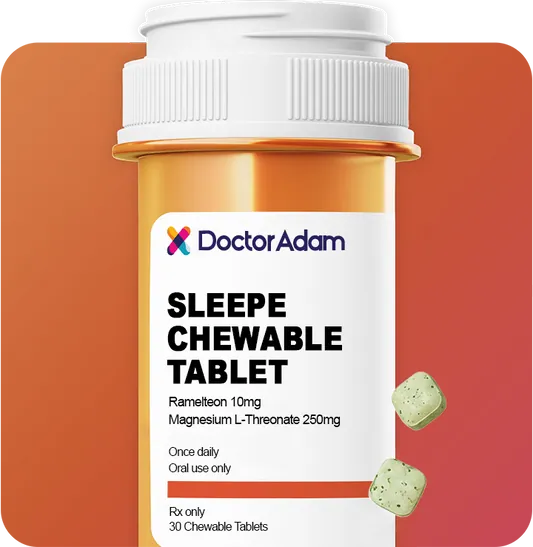
At DoctorAdam, our licensed providers offer physician-guided sleep support, including options like SleepE and Knockout for men who struggle to fall asleep or stay asleep. If sleep-related changes have started to affect your performance in the bedroom, we also offer men’s sexual wellness treatments like sildenafil and tadalafil that can help while you work on the root cause. We don’t just hand you a prescription and send you on your way; we work with you at every step.
Is your pillow your best testosterone booster?
The link between sleep and testosterone is real, and it’s stronger than most men realize. Your body does most of its testosterone work while you’re asleep, especially during REM sleep, and even one week of short nights can noticeably lower your levels. Insomnia, sleep apnea, belly fat, alcohol, and stress can all make the problem worse, and the effects show up as lower energy, a lower sex drive, weaker erections, and a mood that doesn’t feel like your own.
The good news is that sleep is one of the most fixable parts of your health. Protecting your sleep schedule, treating insomnia, taking snoring seriously, working on your waistline, and managing stress can help you sleep better and give your hormones what they need to do their job.
If you’re ready to take a step in the right direction, we’re here to help. Start a confidential consultation with DoctorAdam today, and let’s create a plan made specifically for your sleep, your hormones, and your performance.
Frequently asked questions
Does sleep increase testosterone?
Yes. Sleep and testosterone are closely connected because your body produces most of its daily testosterone while you’re asleep. Levels start to rise shortly after you fall asleep, peak around your first REM cycle, and stay higher until you wake up. That’s why testosterone is usually highest in the morning, and why consistently getting enough good-quality sleep is so important for keeping your levels healthy.
How much sleep do you need for healthy testosterone levels?
Most men do best with at least seven hours of sleep a night. In the University of Chicago study, sleeping only five hours a night for a week lowered testosterone by 10 to 15 percent. Sleep quality matters too, because frequent interruptions can cut into the REM sleep your body relies on for its overnight testosterone boost.
Can insomnia cause low testosterone?
Insomnia can contribute to lower testosterone because it shortens and fragments your sleep, which reduces the REM cycles your body uses for its overnight testosterone rise, and it keeps stress hormones like cortisol elevated. Treating insomnia, often starting with cognitive behavioral therapy for insomnia (CBT-I) and better sleep habits, can help protect both your sleep and your hormones.
Can sleep apnea cause low testosterone?
It can. The connection between sleep apnea and testosterone comes from the constant interruptions and drops in oxygen that happen throughout the night, which disrupt the deeper sleep stages where testosterone is produced. Sleep apnea is also closely tied to belly fat, which can lower testosterone on its own. If you snore loudly or wake up exhausted, it’s worth getting checked.
Can poor sleep cause erectile dysfunction?
Poor sleep can play a role. The link between sleep and erectile dysfunction comes from a few places, including lower testosterone, increased stress hormones, and reduced blood vessel health. Men with sleep apnea seem to be at especially high risk, with some studies finding erectile problems in about half of men with the condition.
What are the most common low testosterone symptoms?
The most common signs include a lower sex drive, fewer erections when you wake up, low energy, difficulty building muscle, more belly fat, brain fog, irritability, and a low mood. Many of these overlap with simply not getting enough sleep, which is why it’s important to look at your sleep and testosterone together when figuring out what’s going on.
How can I increase testosterone naturally?
Start with the basics: get at least seven hours of consistent, quality sleep, lose excess belly fat, add strength training to your routine, limit alcohol, and find ways to manage stress. Getting checked for sleep apnea or insomnia is also a smart move if you snore or always feel tired, because treating it can help your sleep, your energy, and your hormones all at once.
Sources
- Effect of 1 week of sleep restriction on testosterone levels in young healthy men – University of Chicago
- The relationship between sleep disorders and testosterone in men – University of Adelaide
- Disruption of the nocturnal testosterone rhythm by sleep fragmentation in normal men (PubMed)
- Erectile dysfunction and obstructive sleep apnea: a review – Frontiers in Psychiatry
- Insomnia – MedlinePlus
- Sleep apnea – MedlinePlus
- Sleep deprivation and deficiency – National Heart, Lung, and Blood Institute
Shelby Leith, RPhT
Medical Writer • Registered Pharmacy Technician • Diabetes Education Specialist
Shelby Leith is an experienced medical writer with deep roots in pharmacy and a real passion for helping people gain a deeper understanding of their health. With over 26 years as a Registered Pharmacy Technician and specialized training in diabetes education, she knows how to strike a balance between clinical accuracy and what actually has an impact on everyday life. Shelby also brings firsthand insight into diet, nutrition, supplementation, and performance through her experience as a two-time amateur bodybuilding competitor.
This article is for informational purposes only and does not replace medical advice. Prescription products require an online consultation with a licensed healthcare provider, who will determine whether treatment is appropriate for you.